FOUNDATIONS OF DESIGN II
Institution: TOBB ETU, Visual Communication Design | 2026
Instructors: Alper Yıldırım
Semester: 1 (1st year students)
Course Brief
This course introduces the fundamental principles of visual and spatial design through studies of colour, composition, figure-ground relationships, repetition, rhythm, variation, and form.
Across six projects, students move from analysing colour in cinema to producing two-dimensional compositions, portraits, modular structures, and three-dimensional objects. The course emphasises observation, experimentation, material exploration, and the translation of basic design principles across different techniques and media.
Learning Outcomes
By the end of the course, students will be able to:
Analyse colour relationships in images and visual compositions.
Apply different colour systems to communicate mood, contrast, and hierarchy.
Create compositions using figure-ground relationships, hue, saturation, and value.
Use repetition, rhythm, scale, and variation to develop modular structures.
Investigate geometric and organic form through material-based experimentation.
Develop visual ideas through sketching, iterative production, and presentation.
Project 01
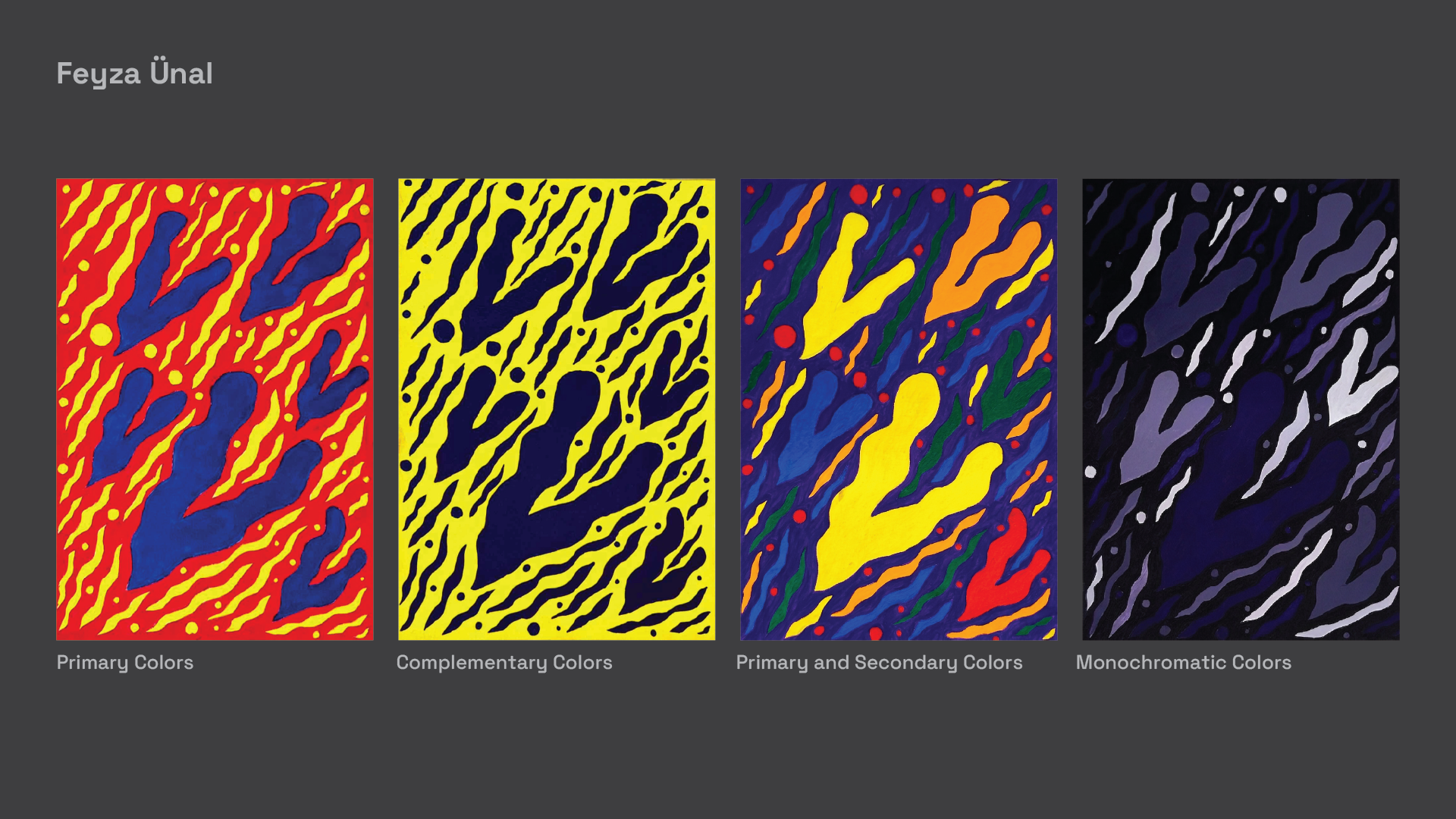
Colour and Composition
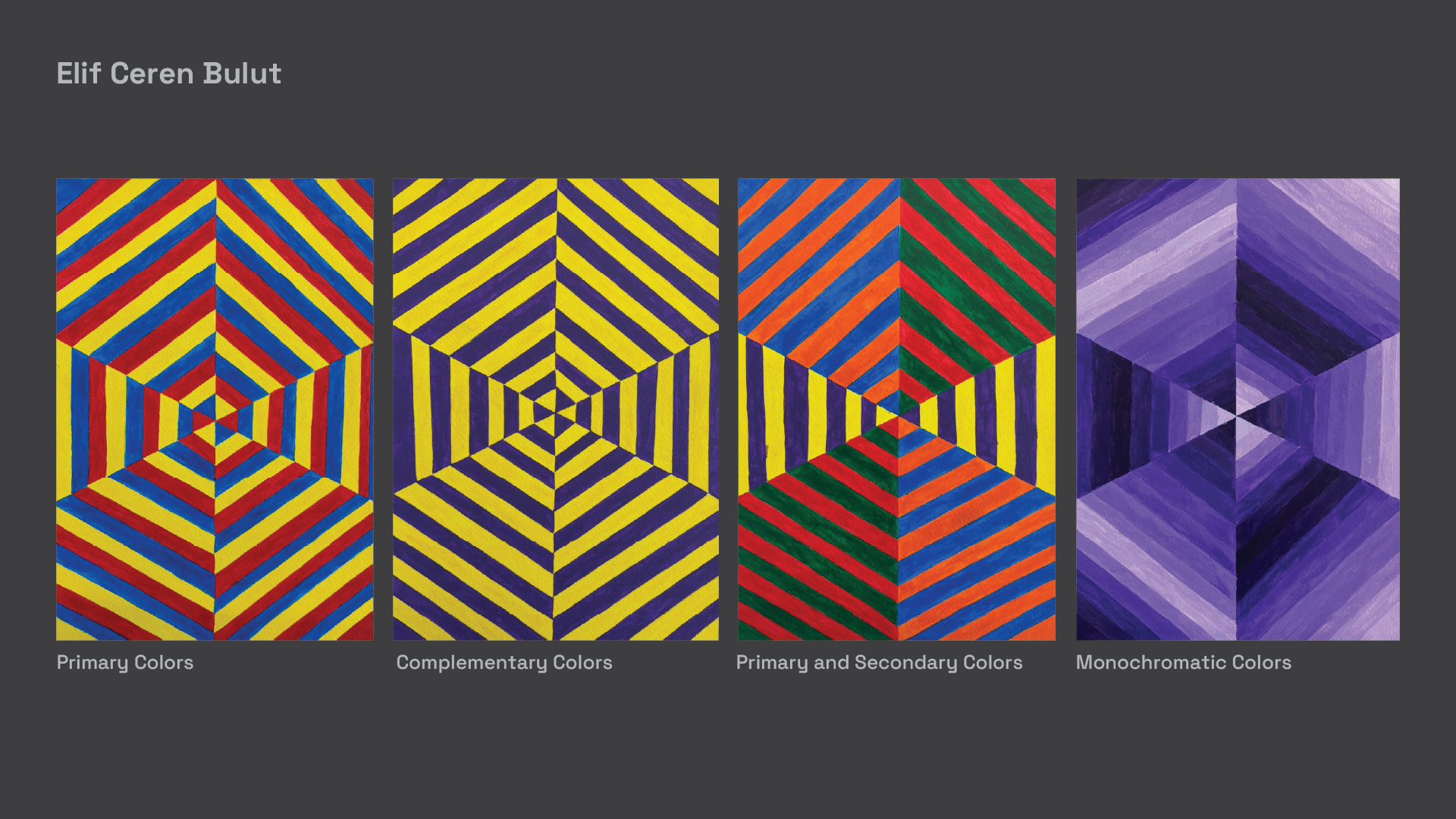
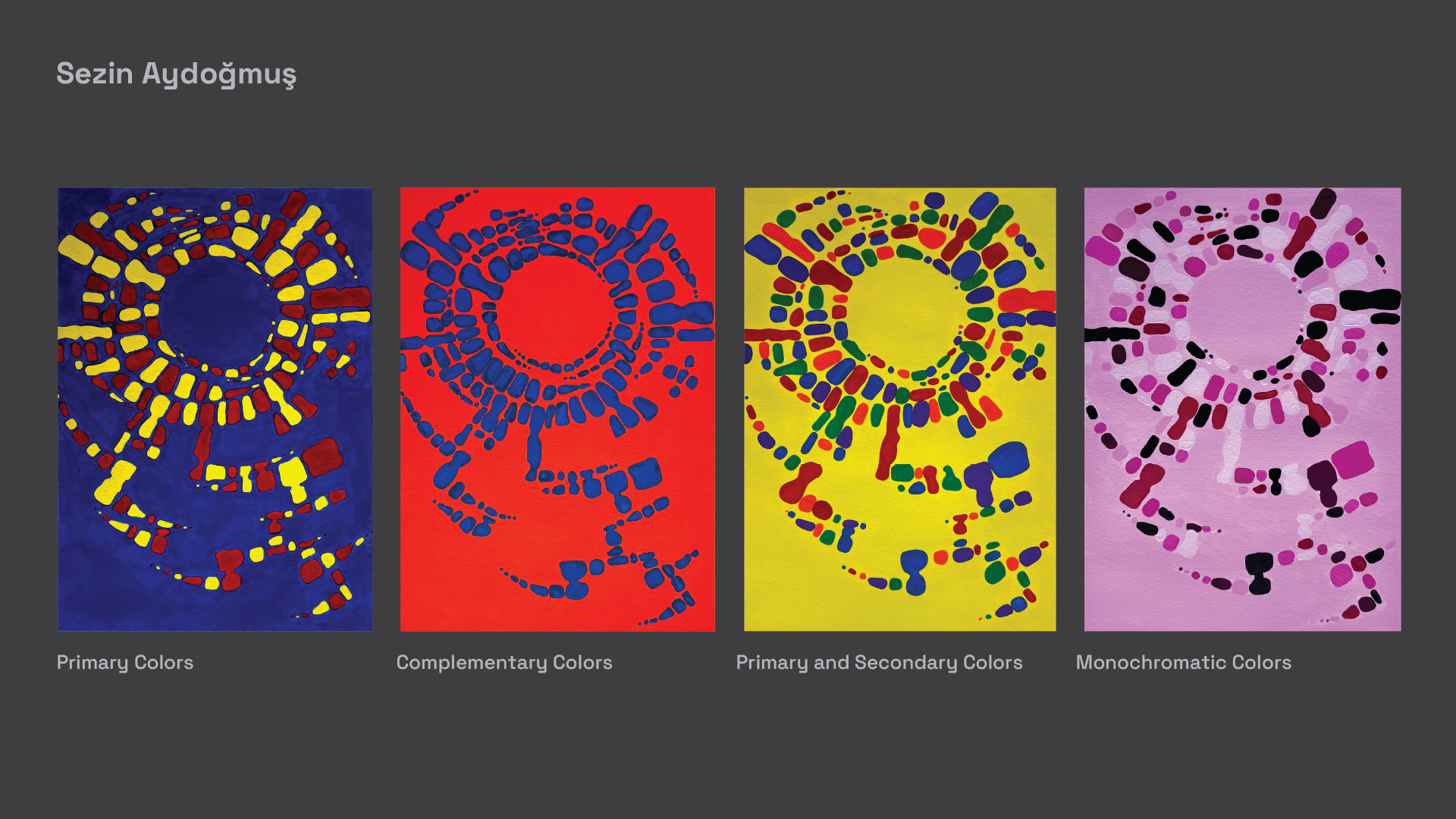
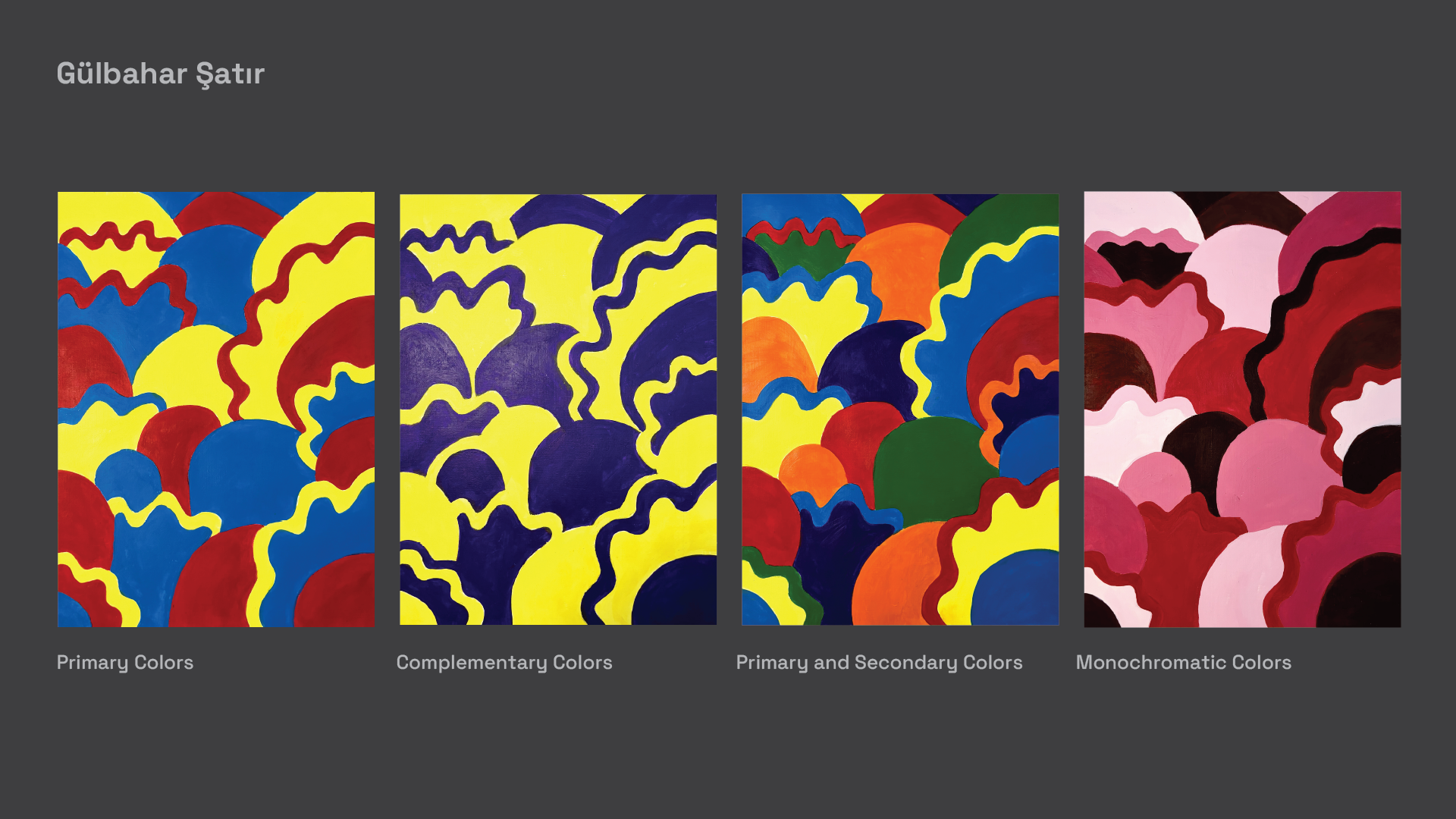
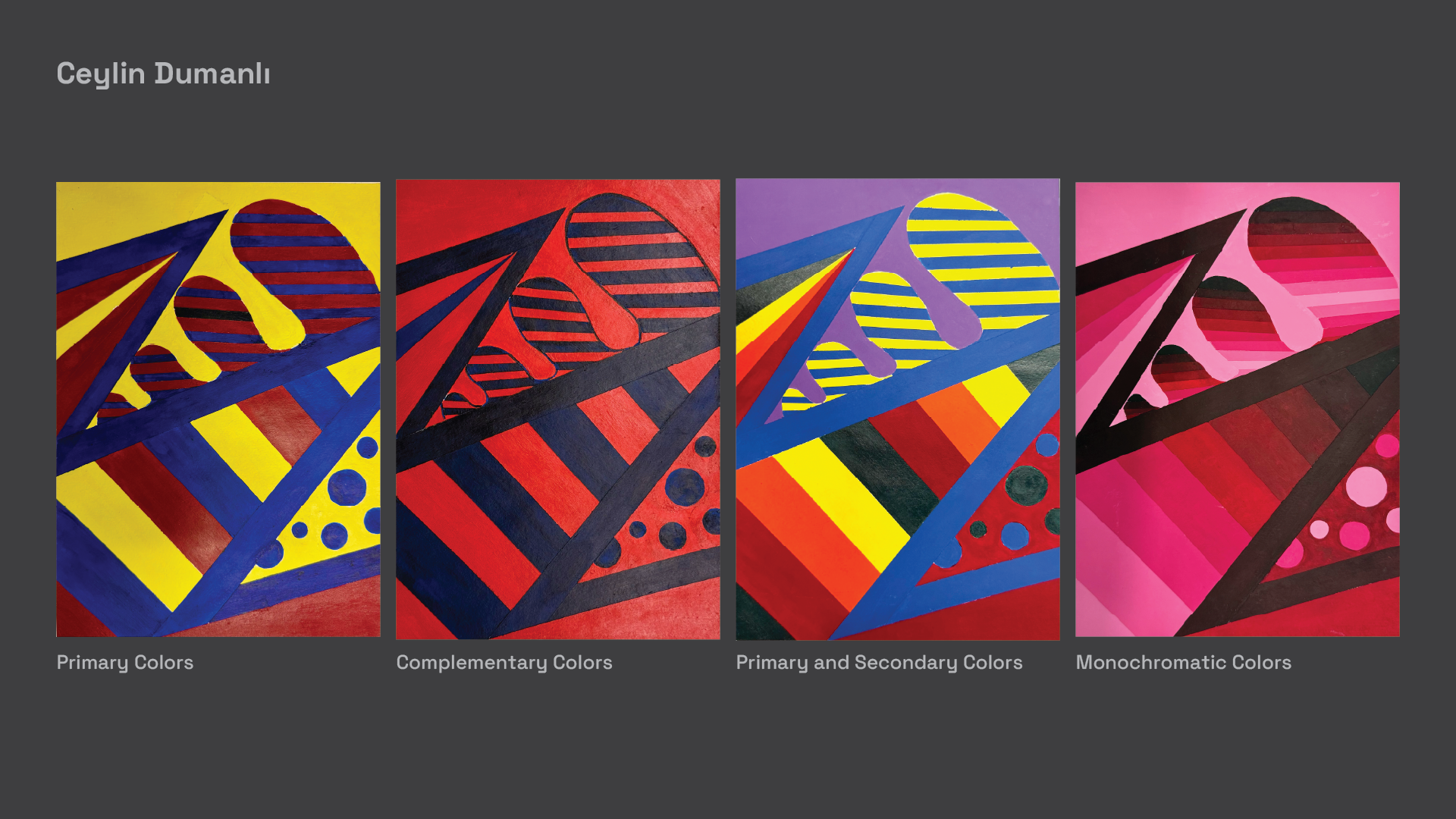
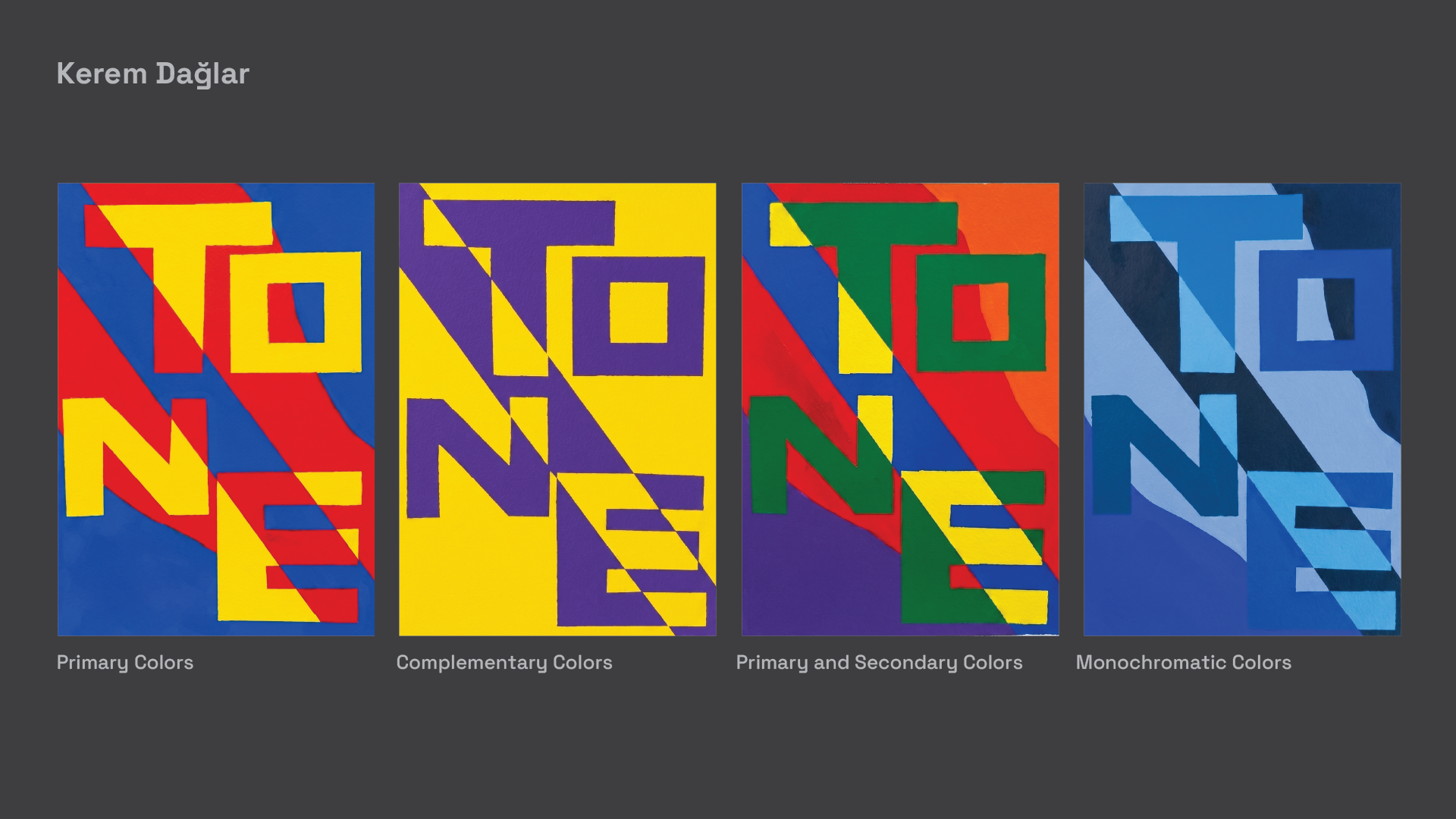
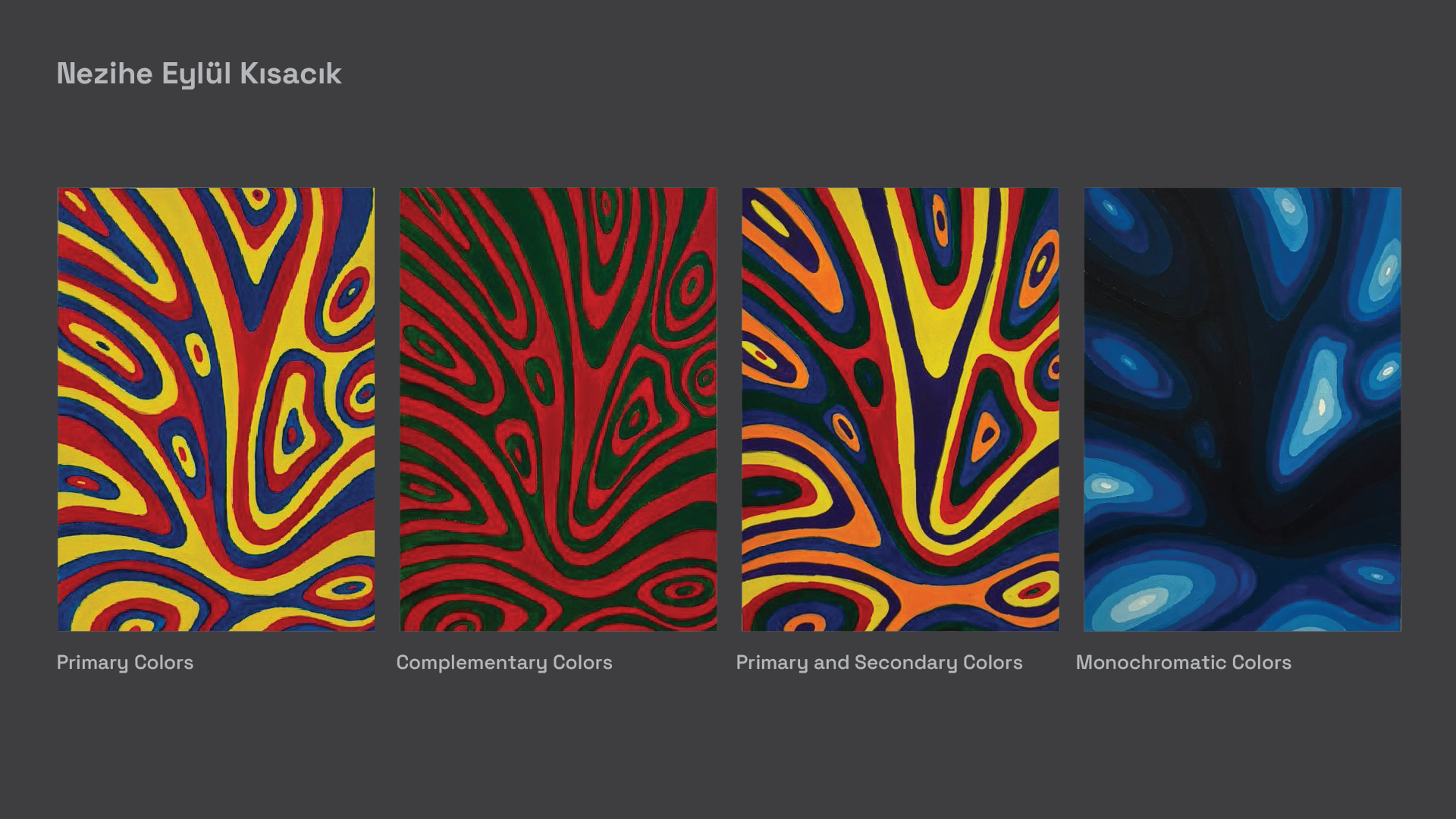
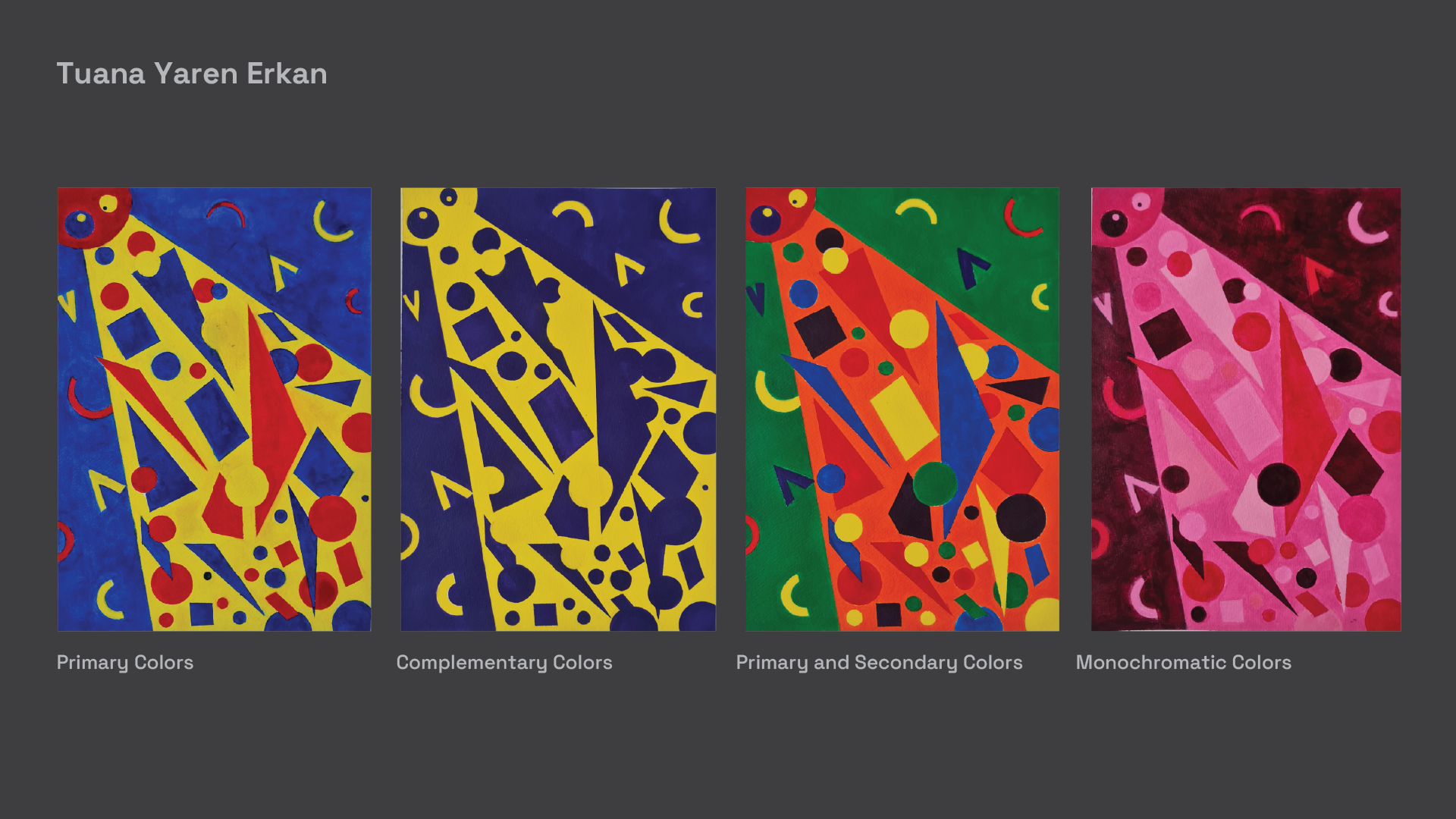
Students create a single compositional structure and reinterpret it through four different colour systems: primary, complementary, monochromatic, and tetradic.
By maintaining the same composition while changing its colour relationships, students examine how colour can transform visual balance, contrast, rhythm, and perception.
Project 02
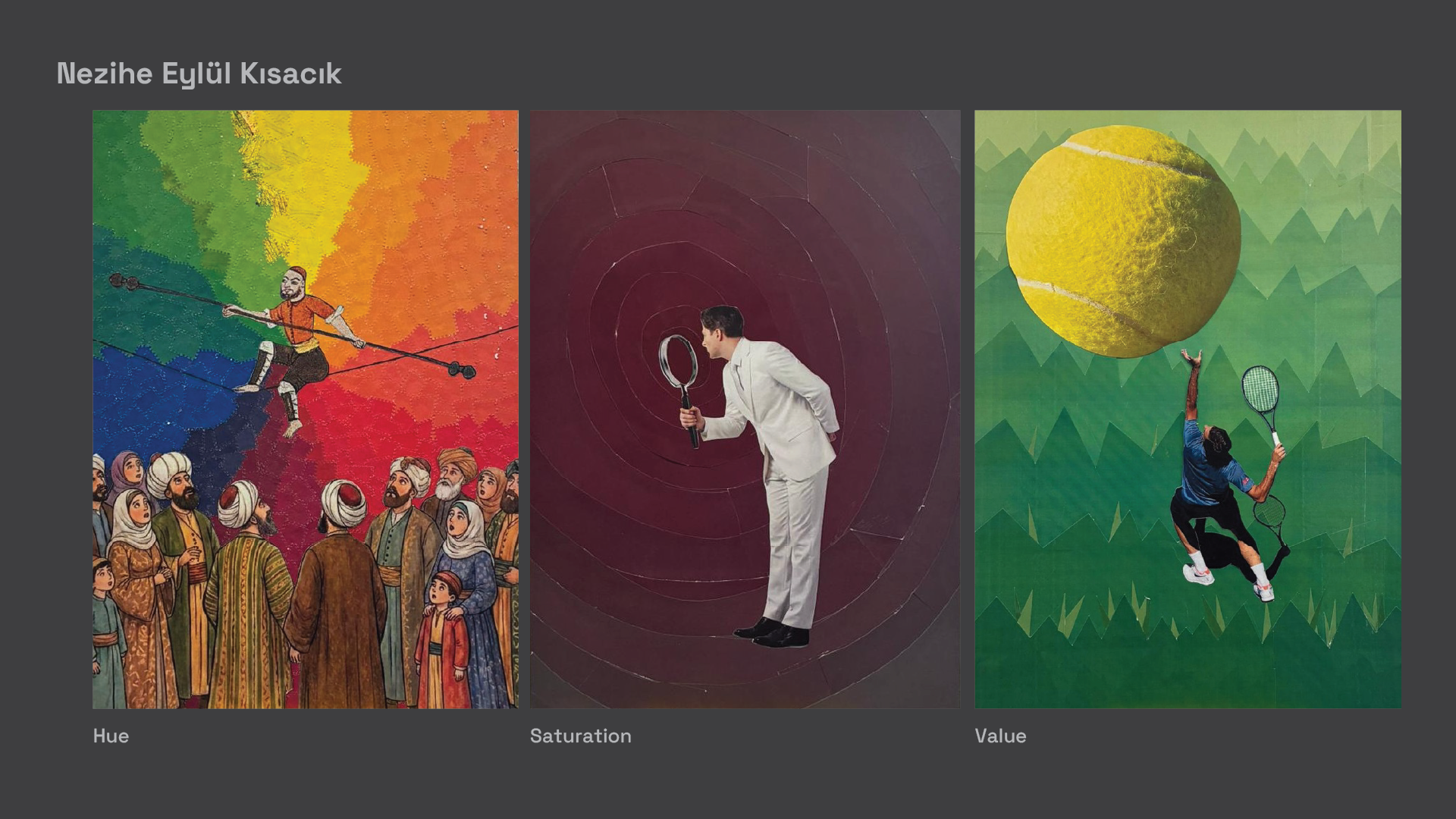
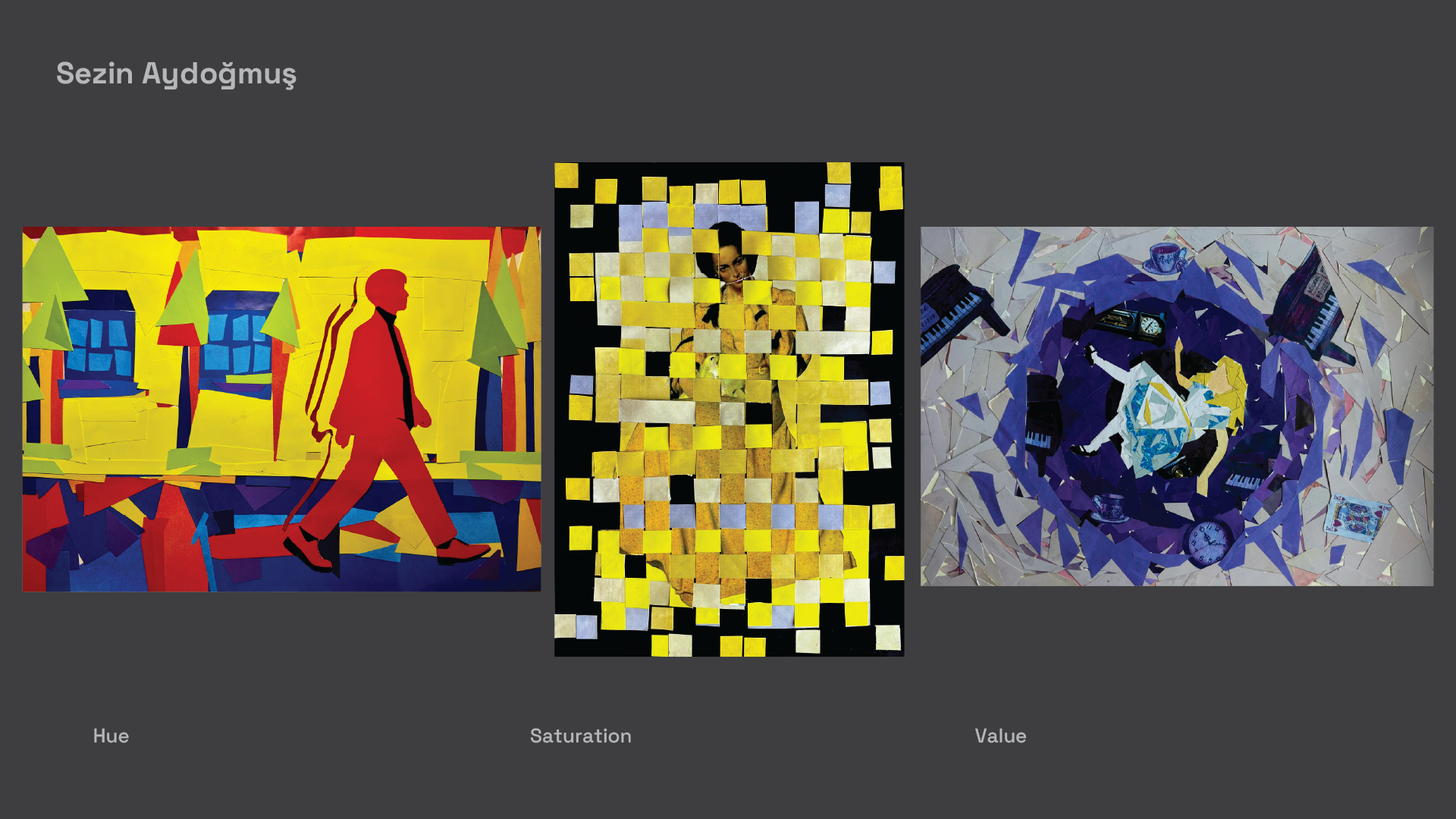
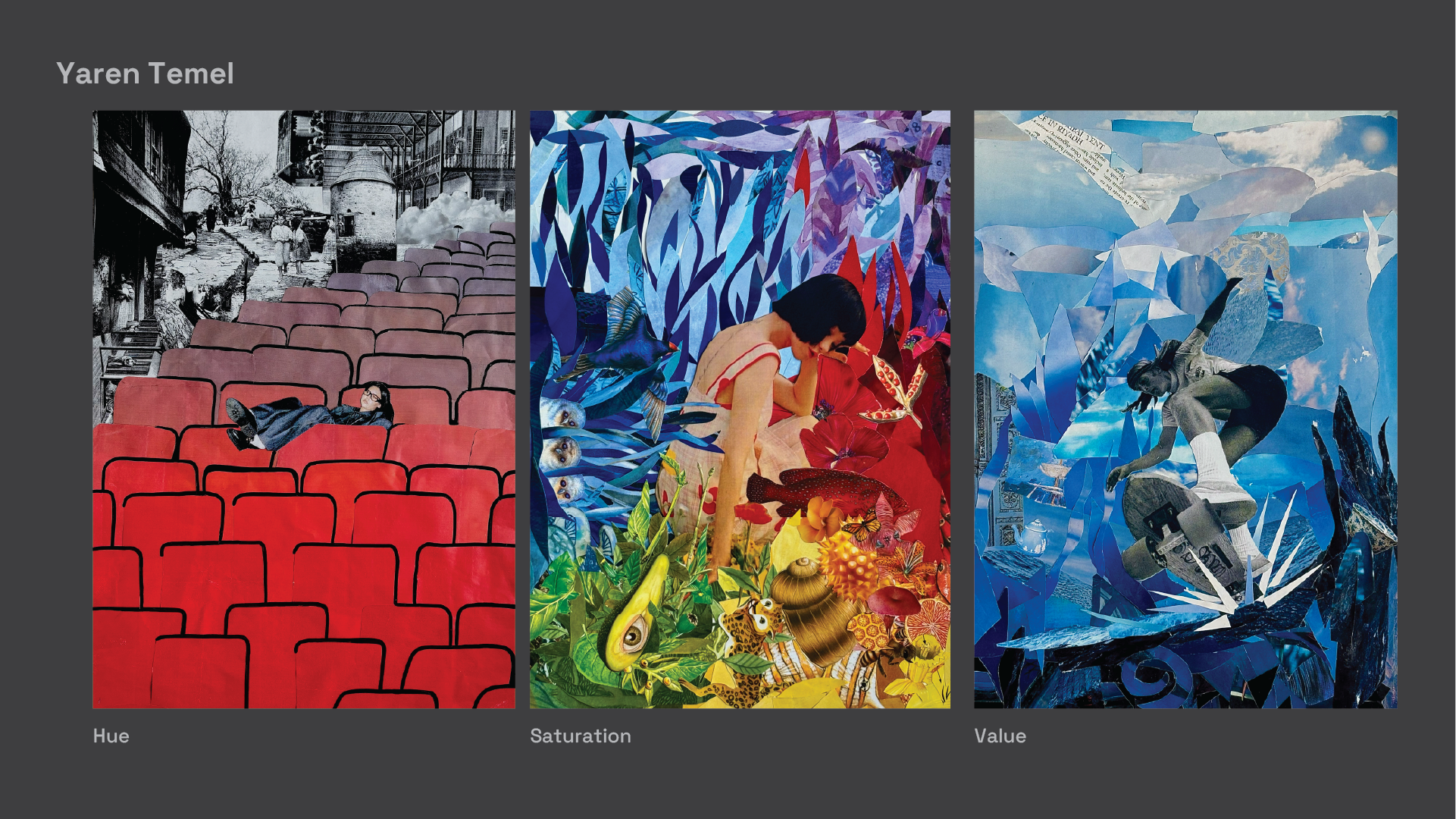
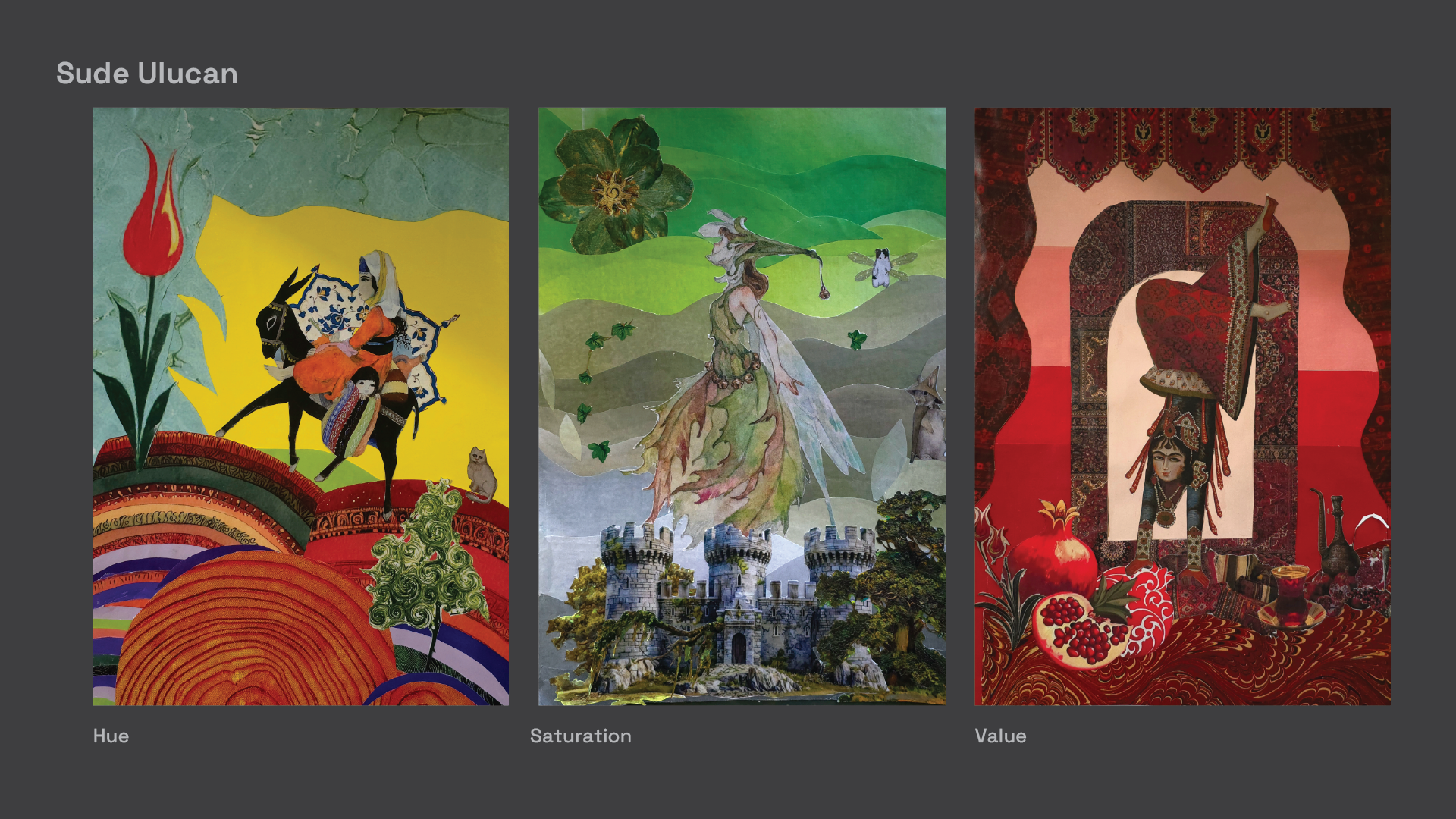
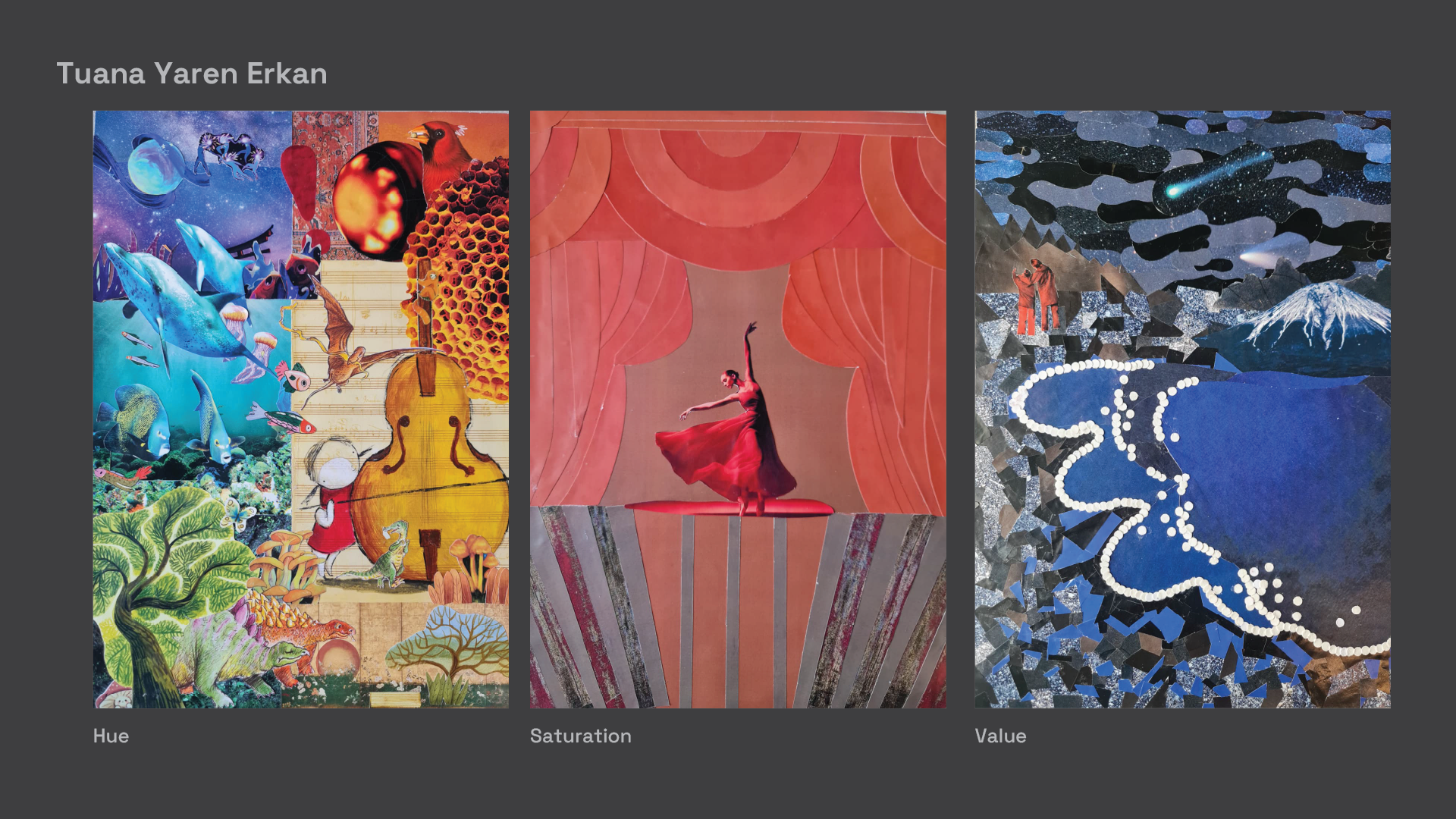
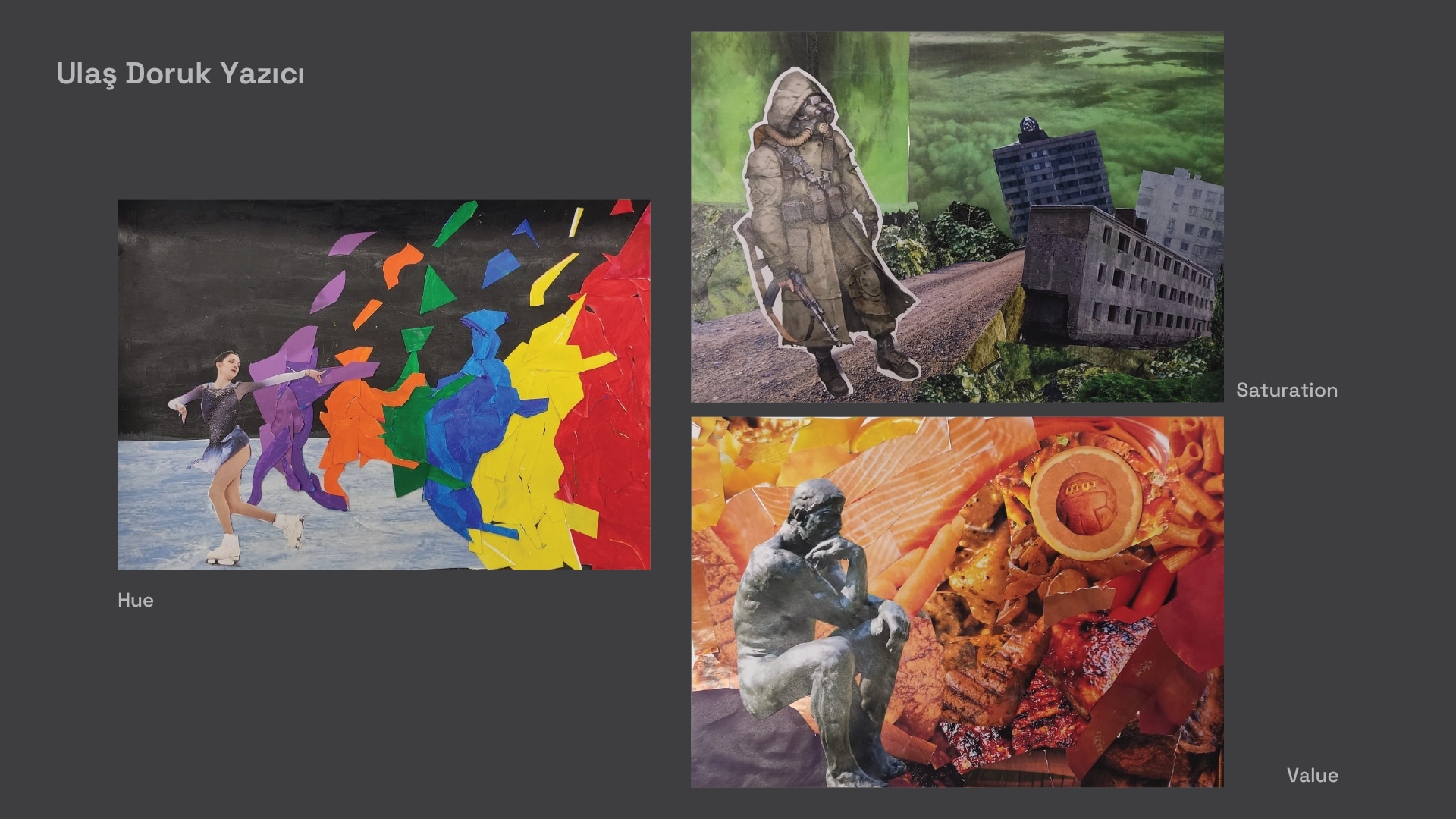
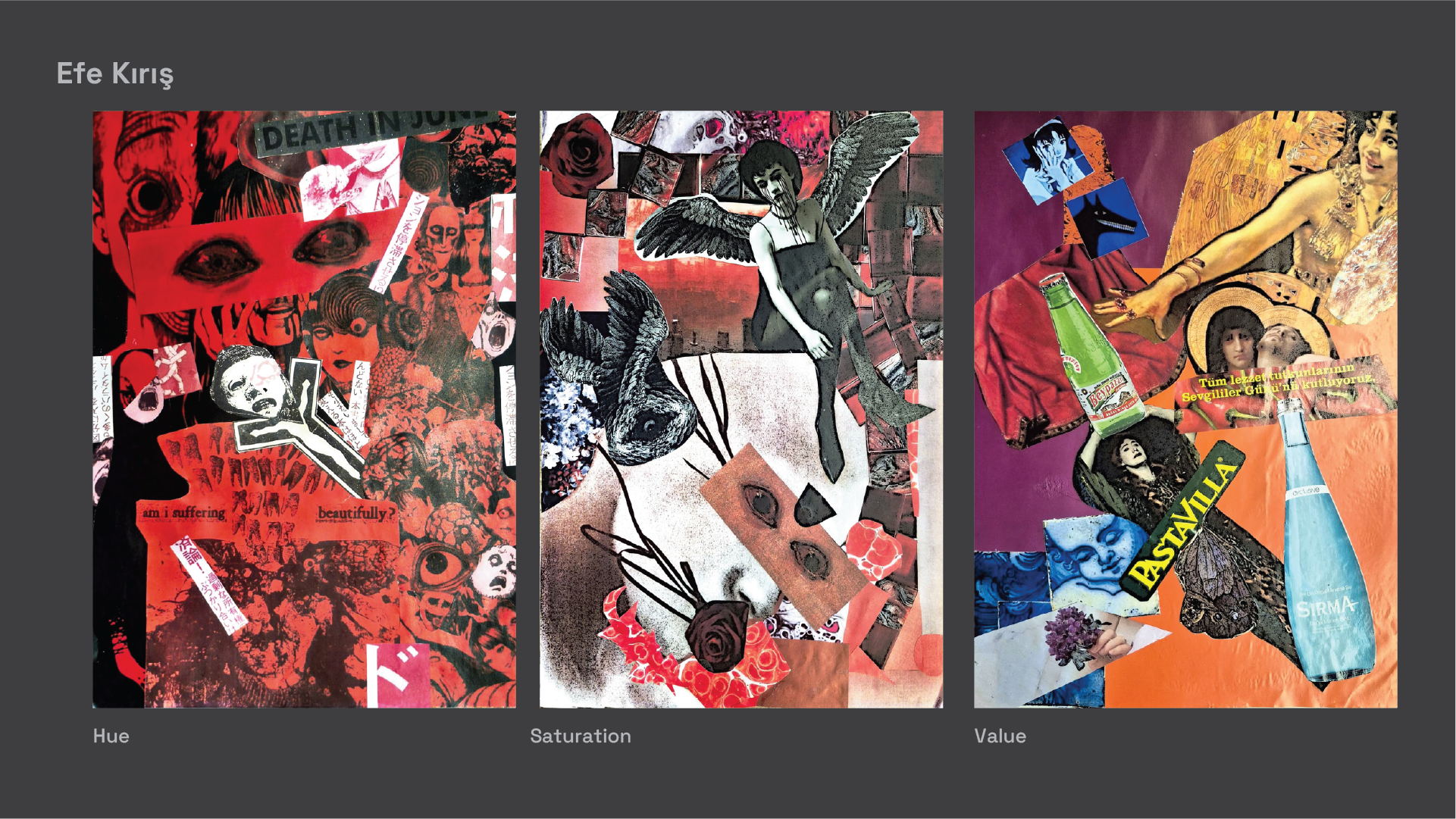
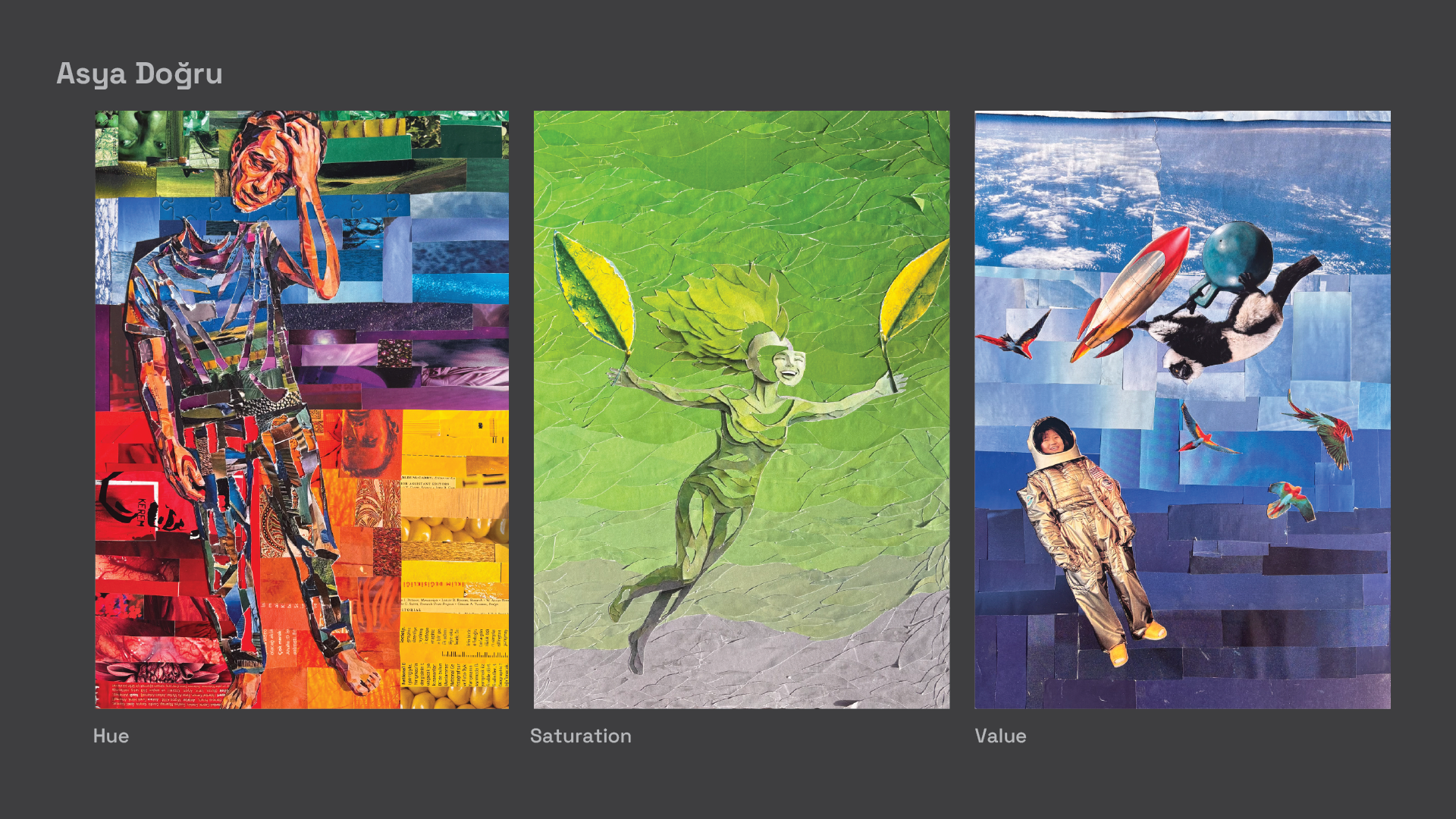
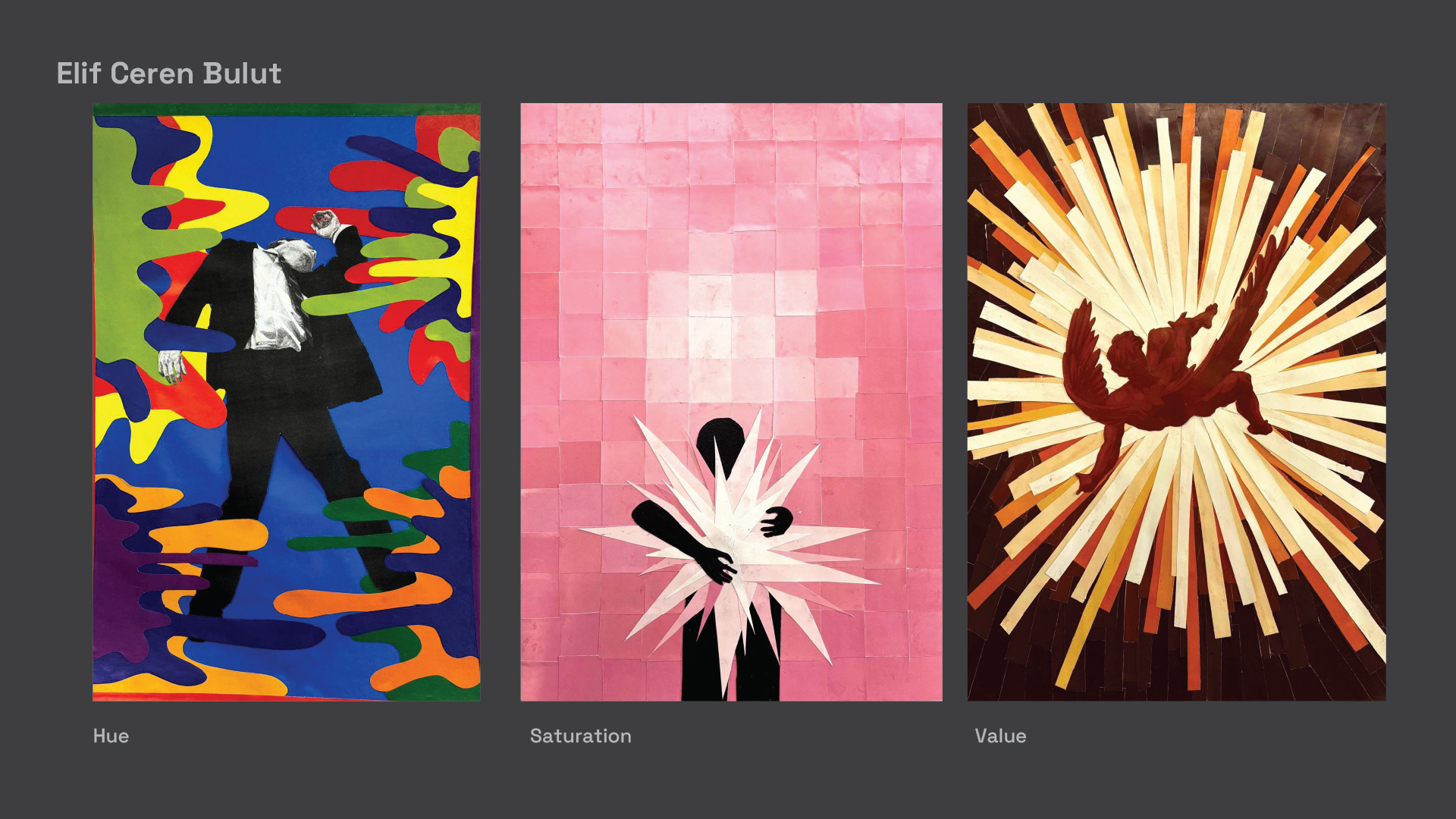
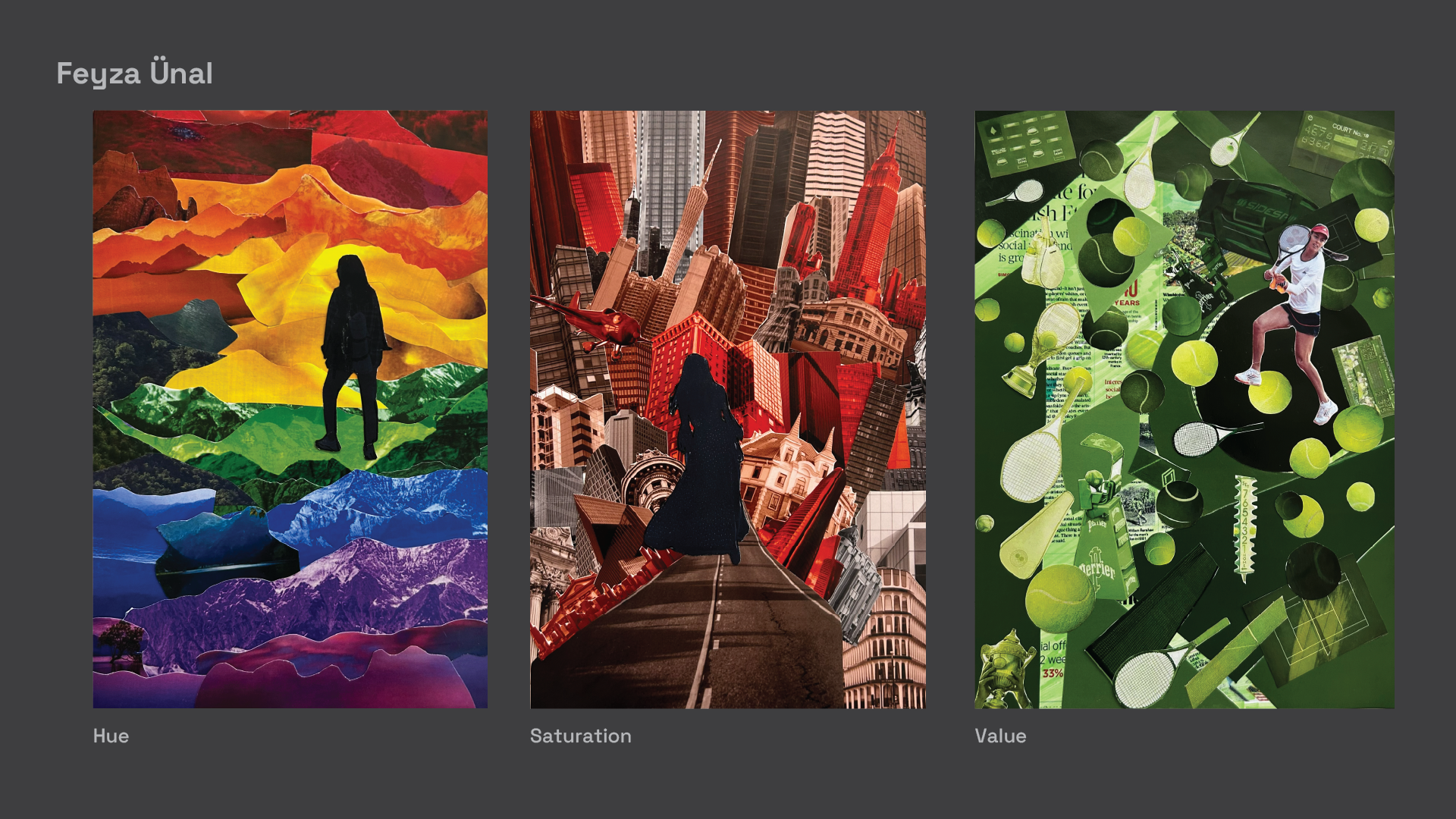
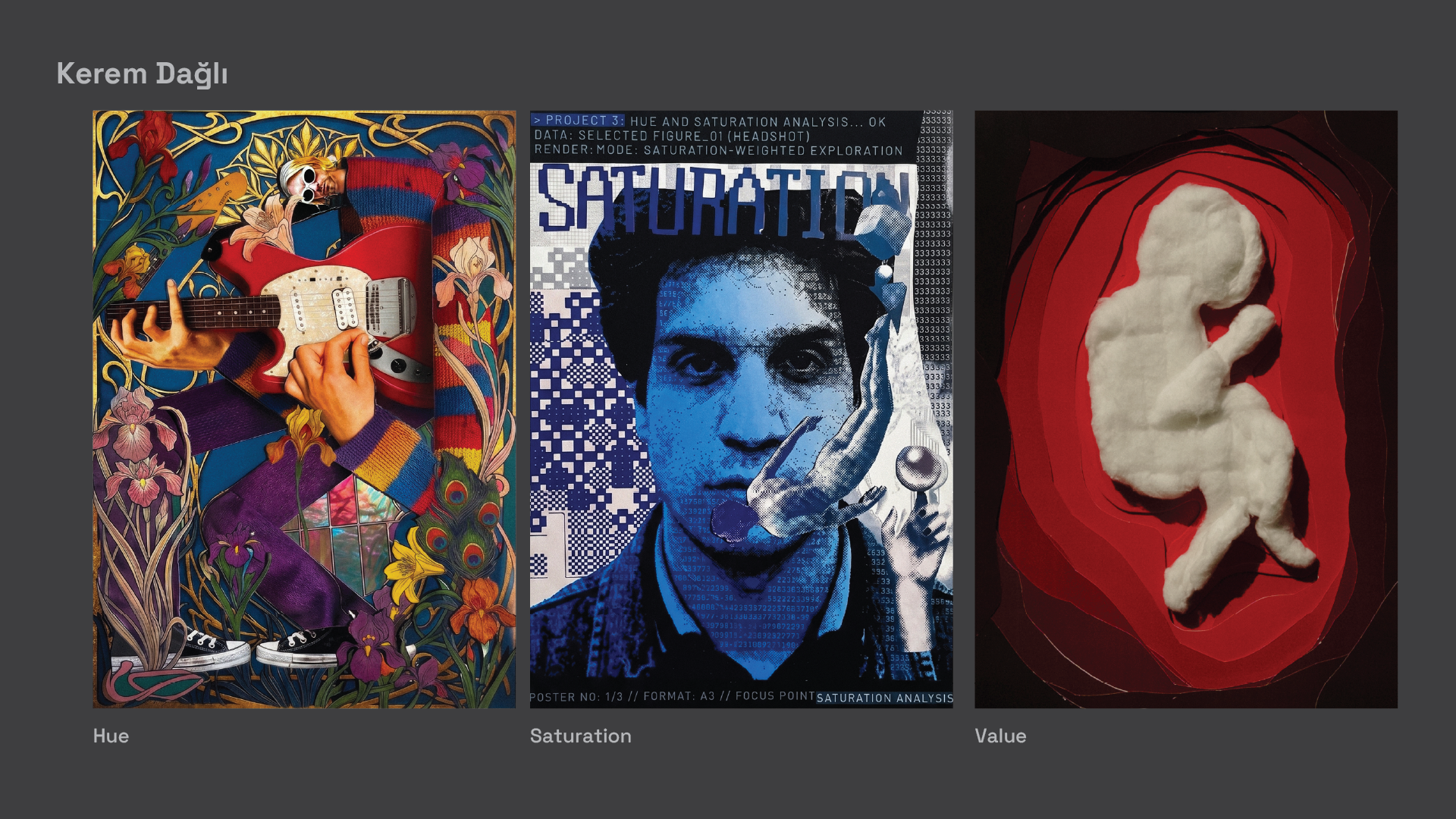
Figure and Composition: Hue, Saturation, and Value
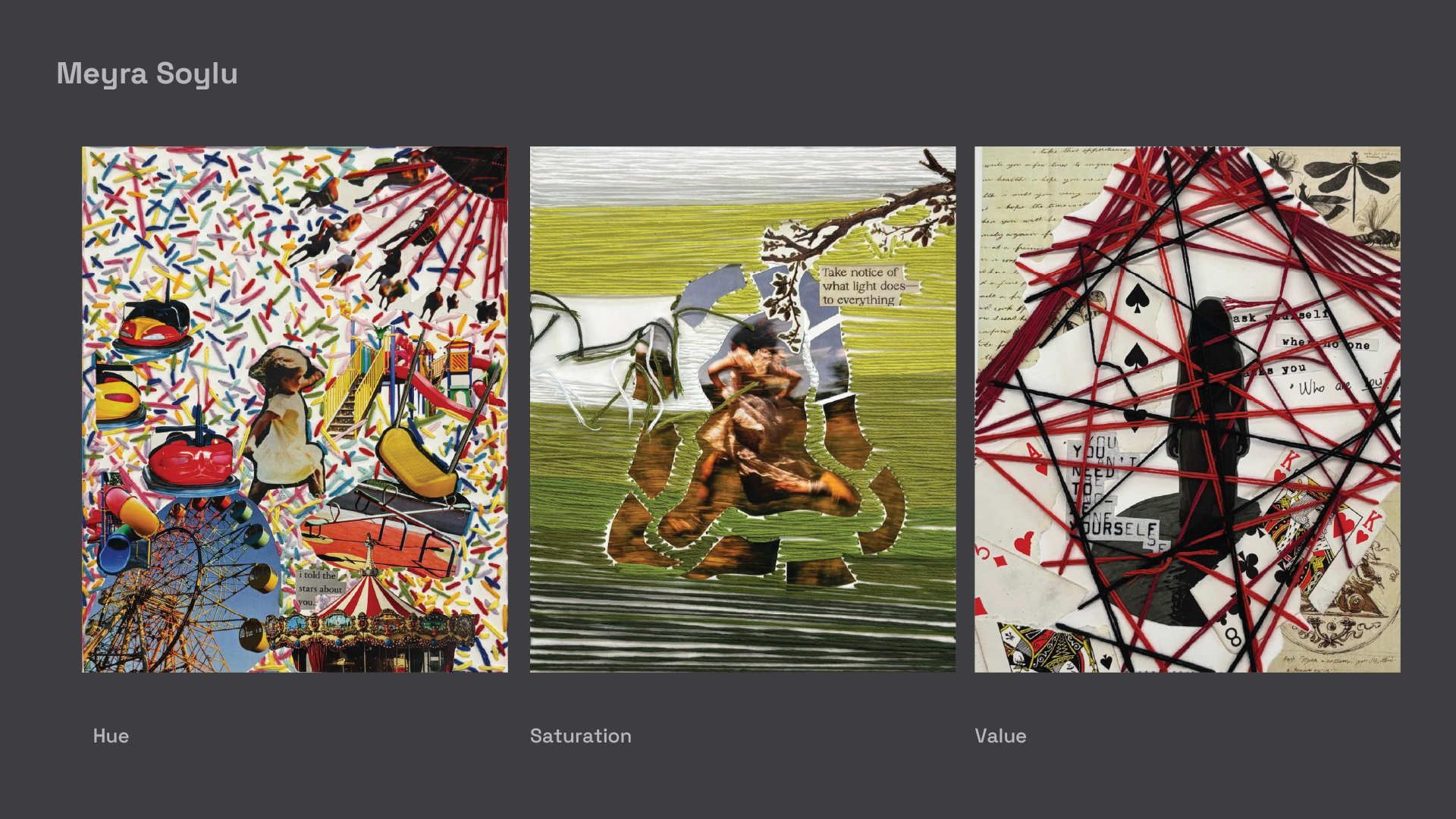
Students select three human figures and create a separate poster for each. The background of every poster is developed through a collage-based composition focusing primarily on hue, saturation, or value.
The project explores the relationship between figure and ground while demonstrating how different colour parameters can produce distinct visual and emotional effects.
Project 03
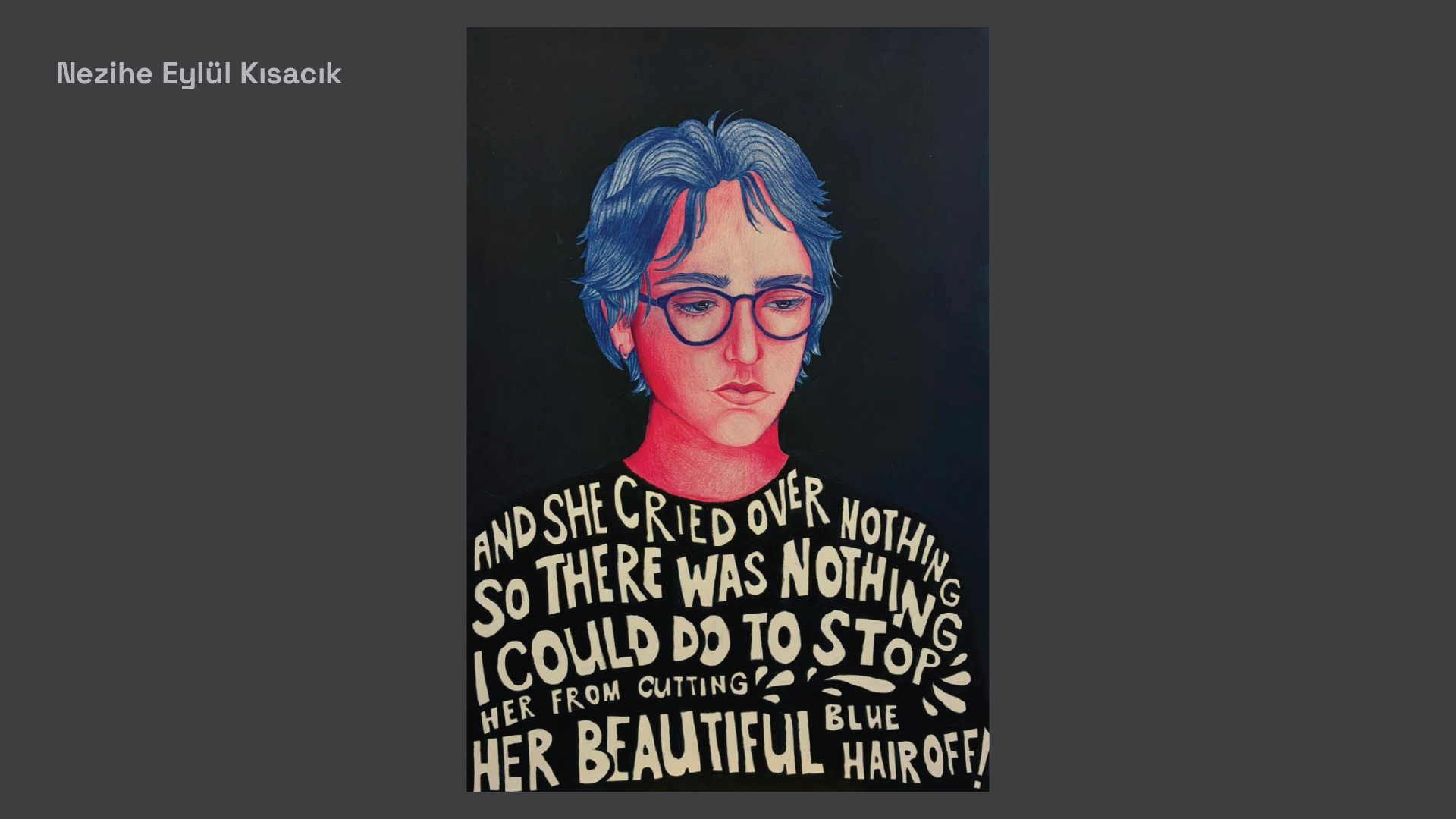
Emotions Through Colour
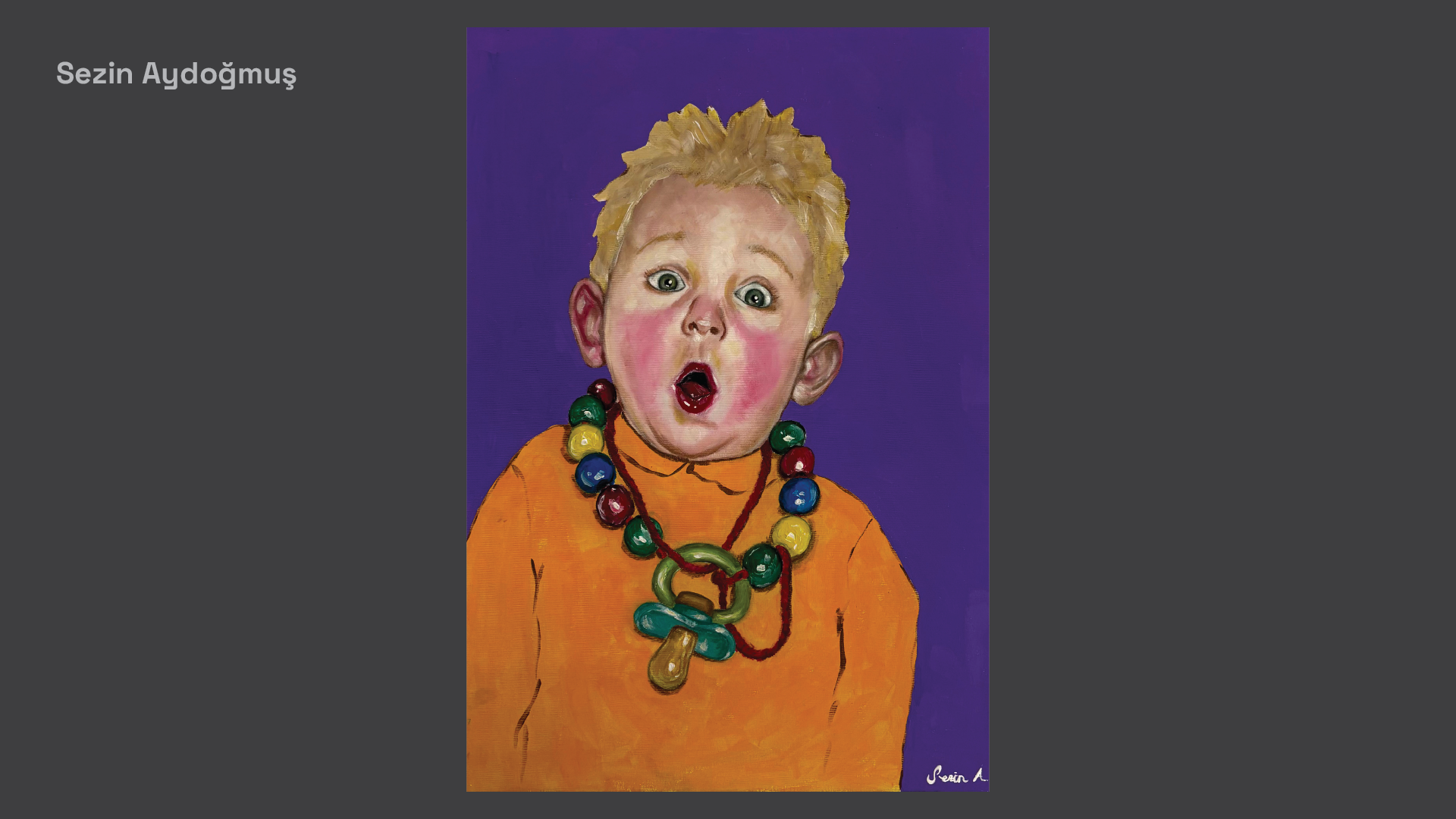
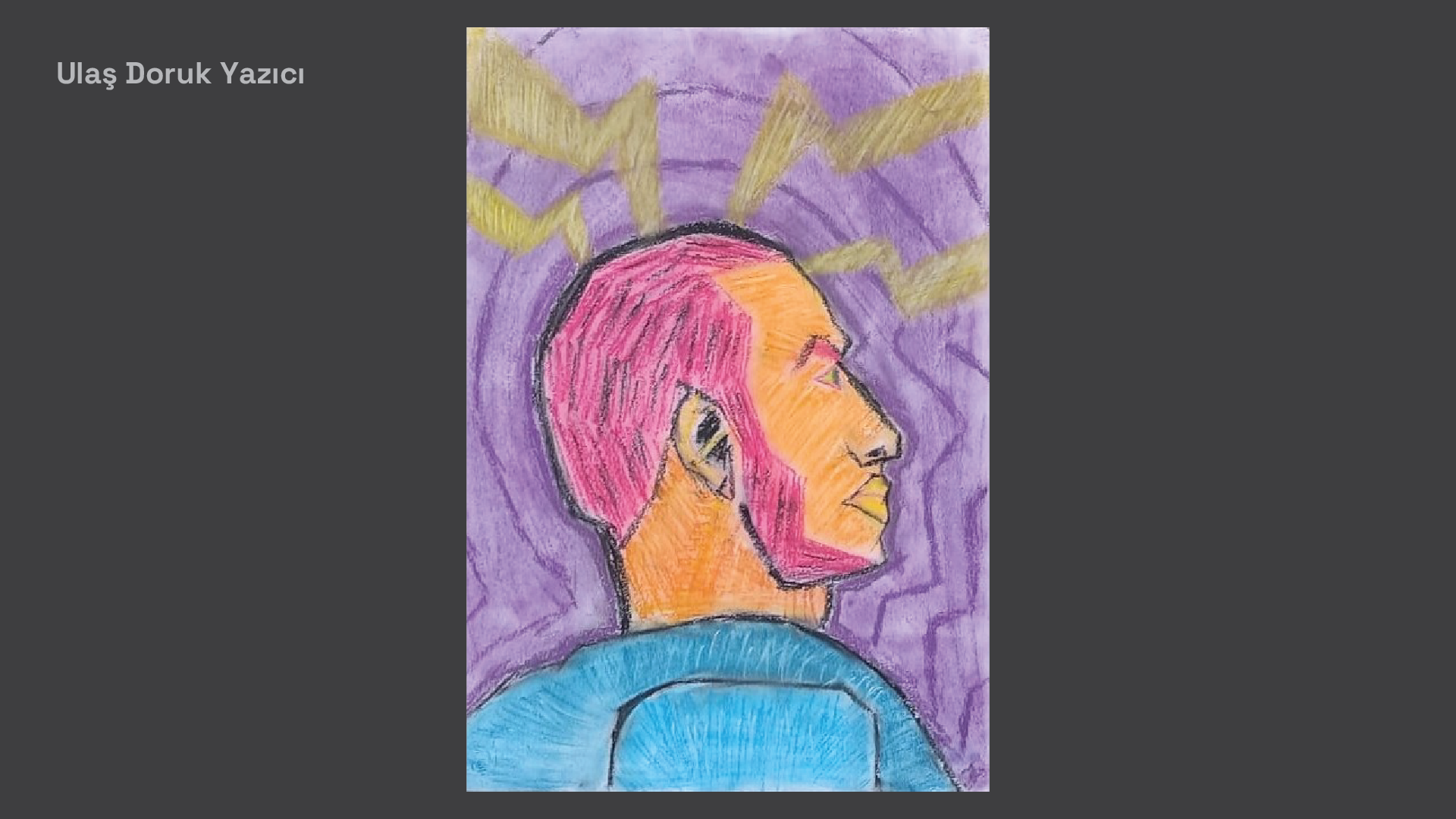
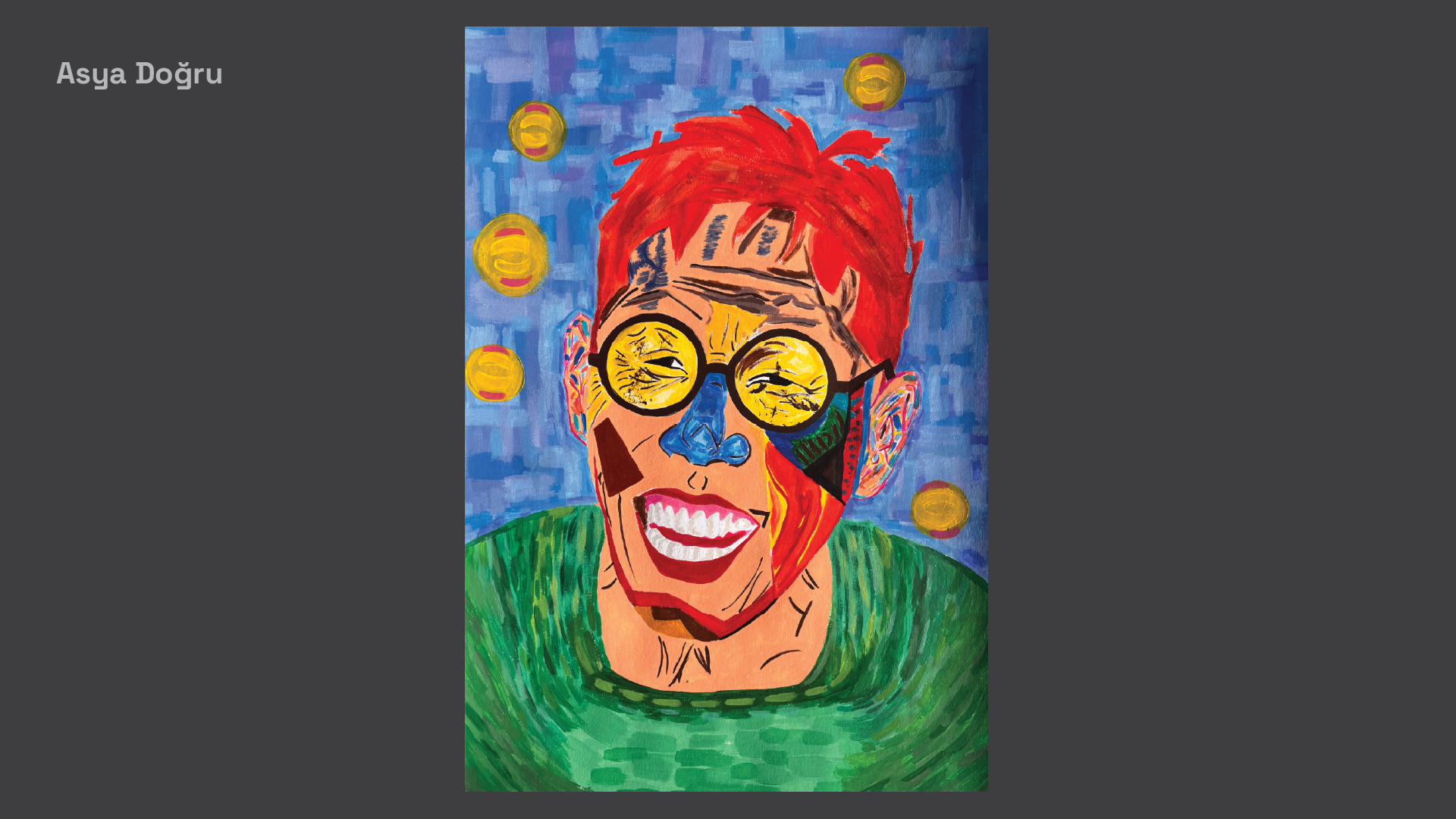
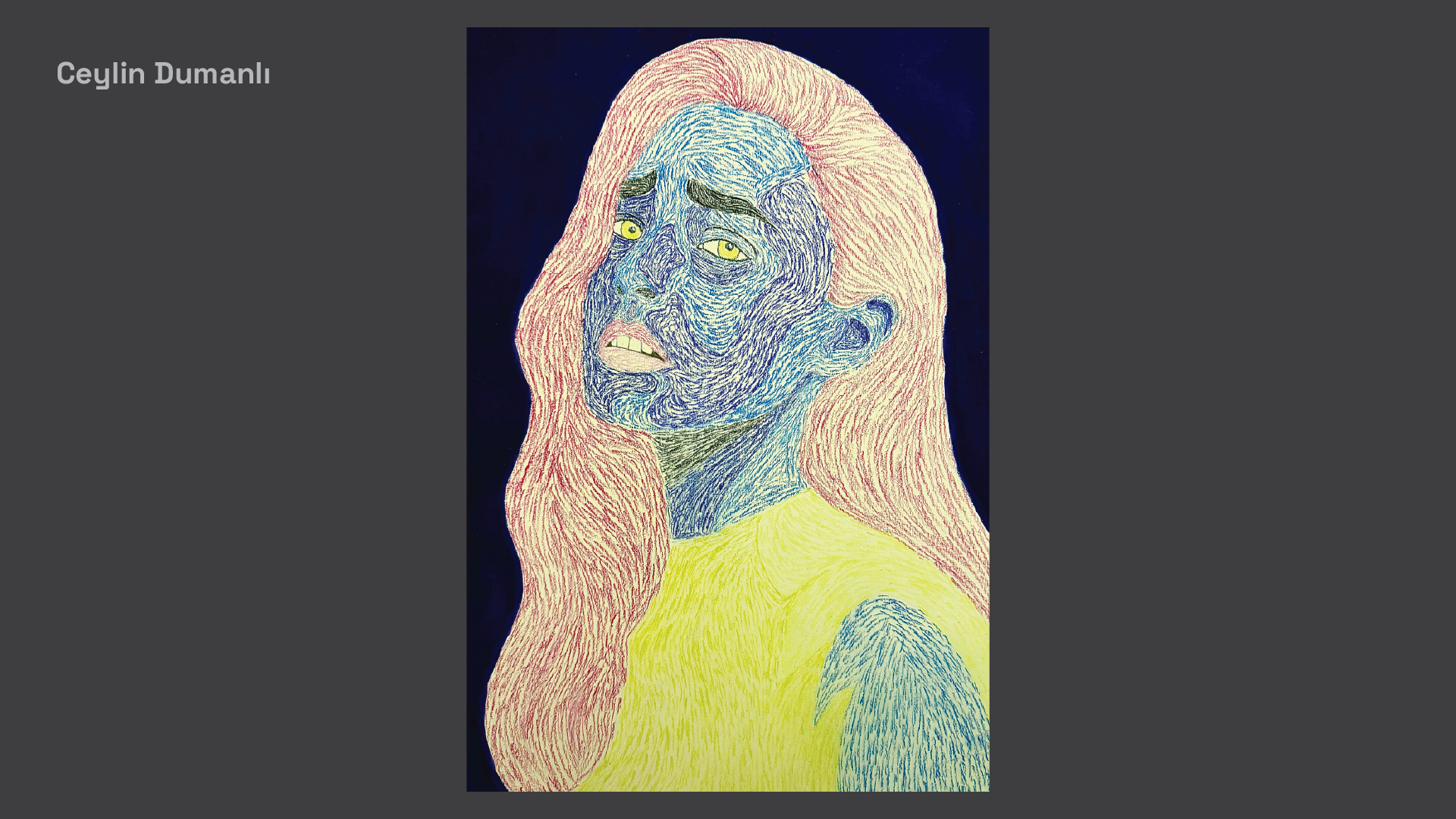
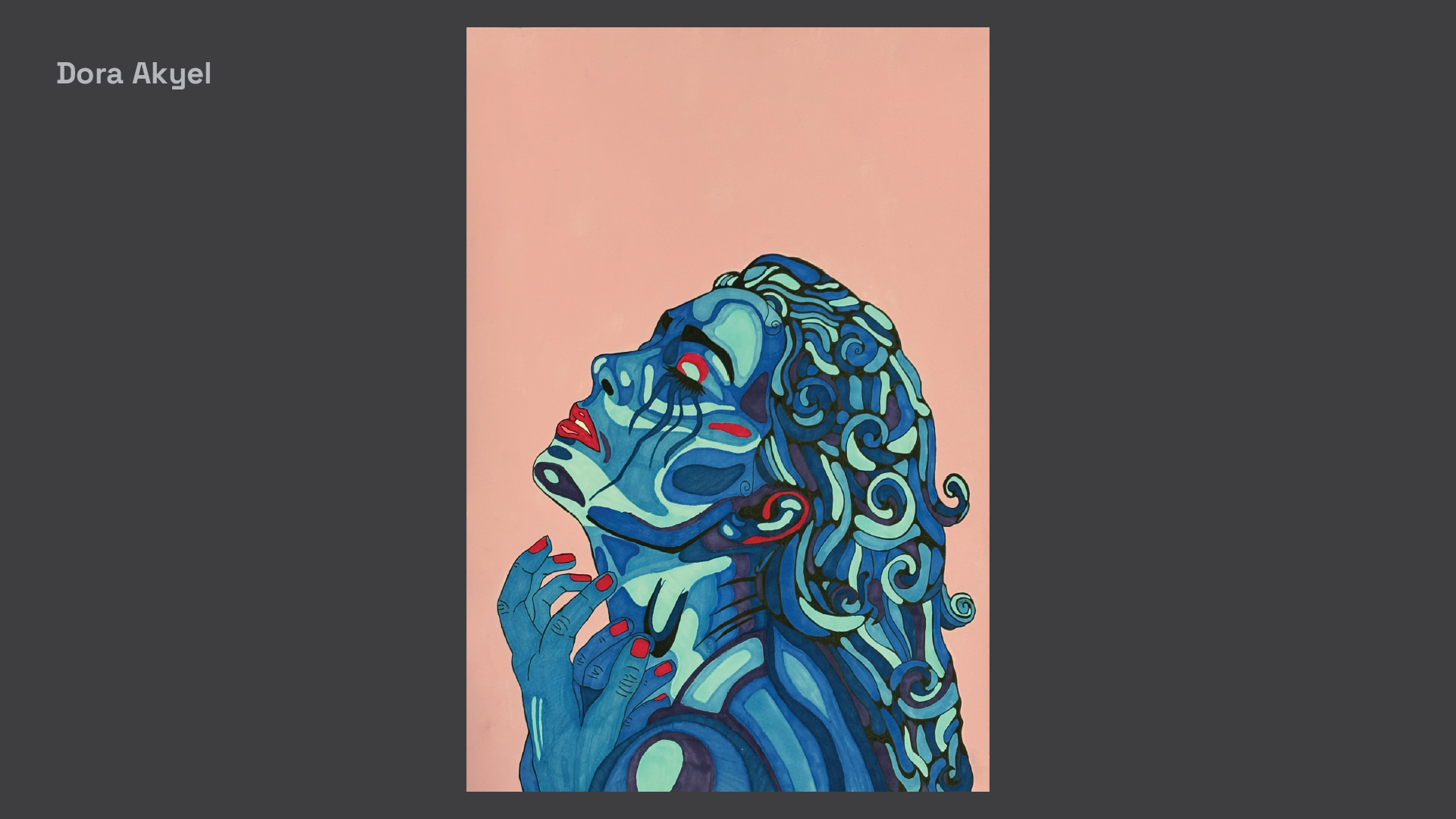
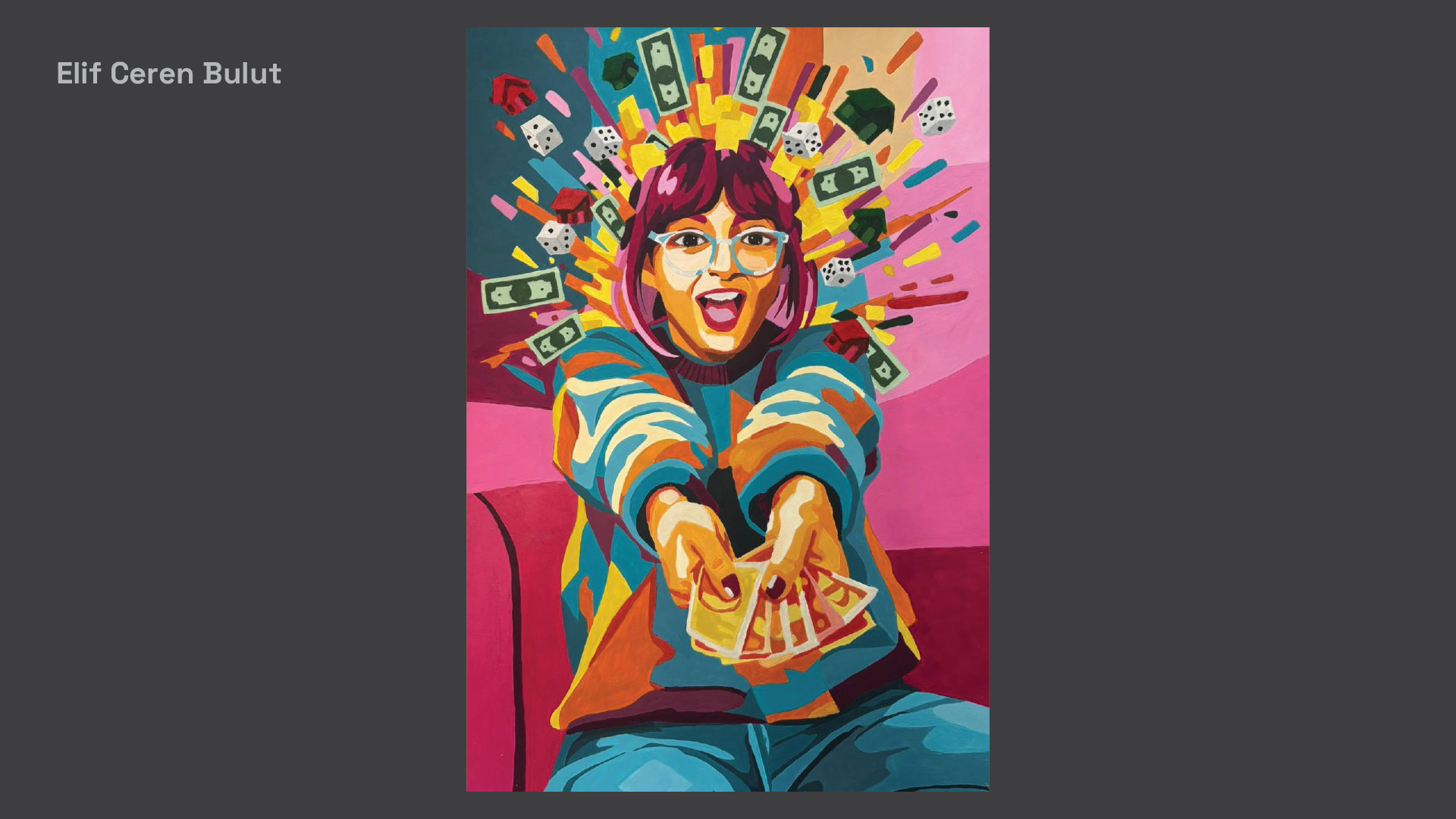
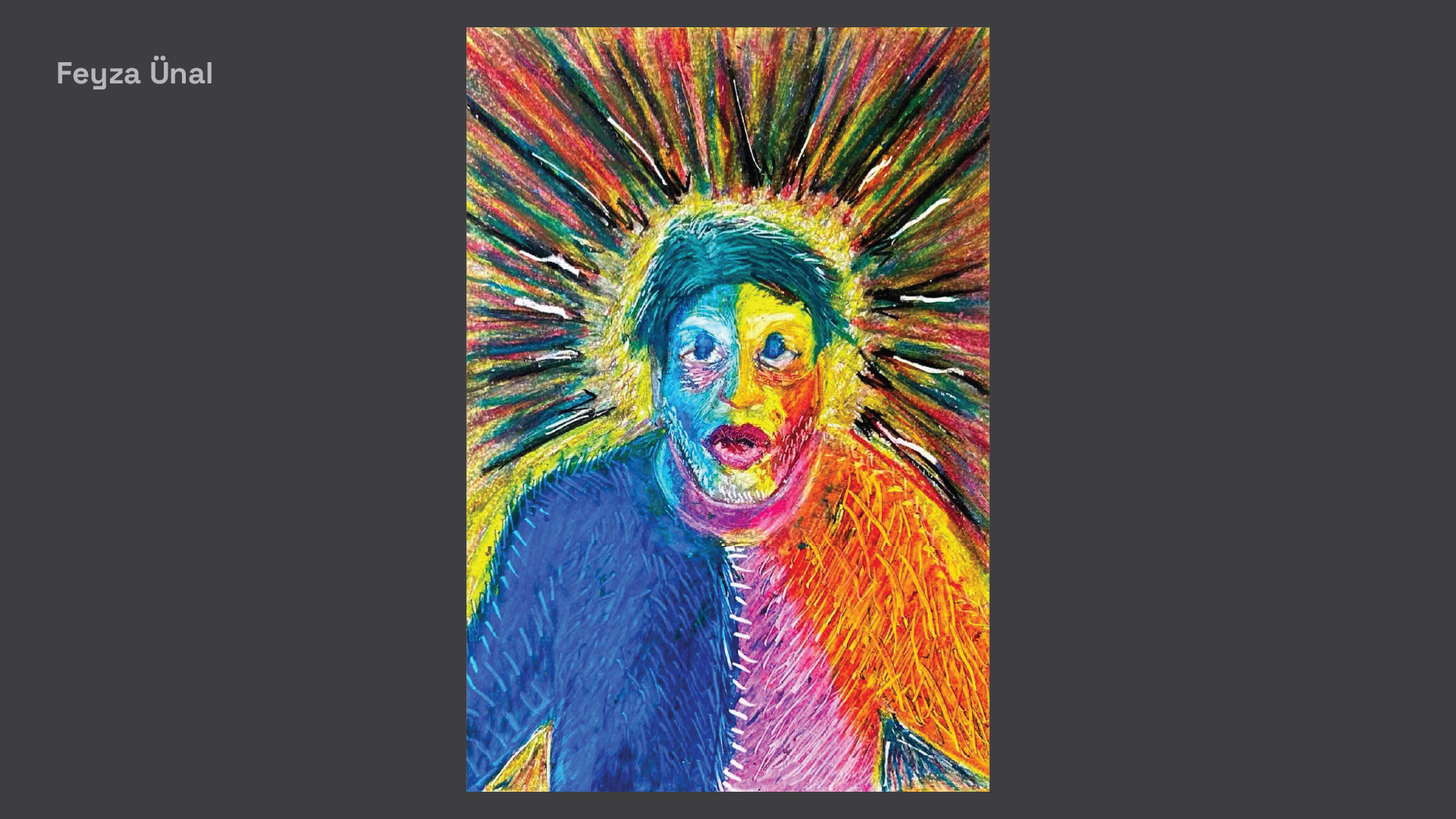
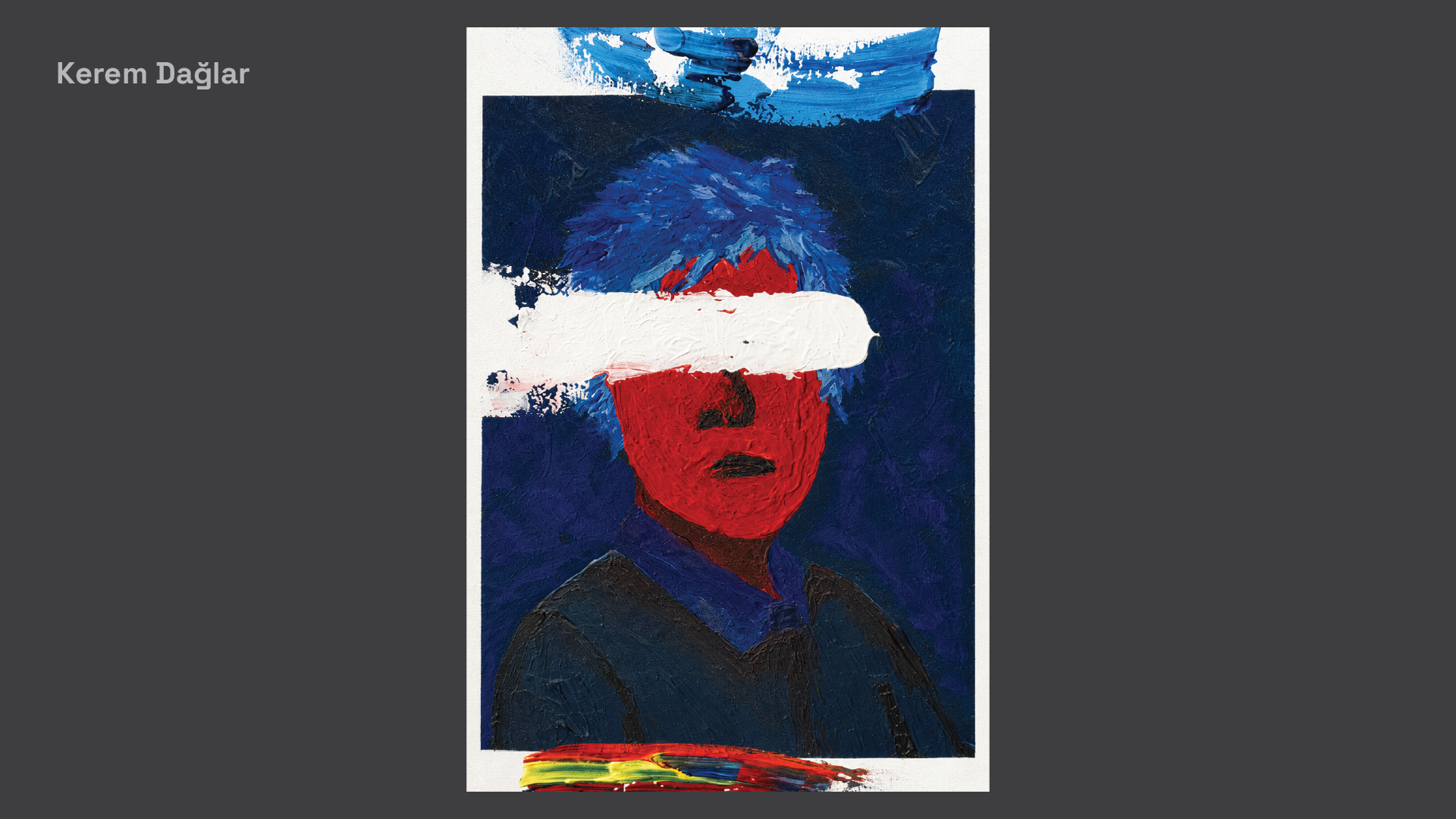
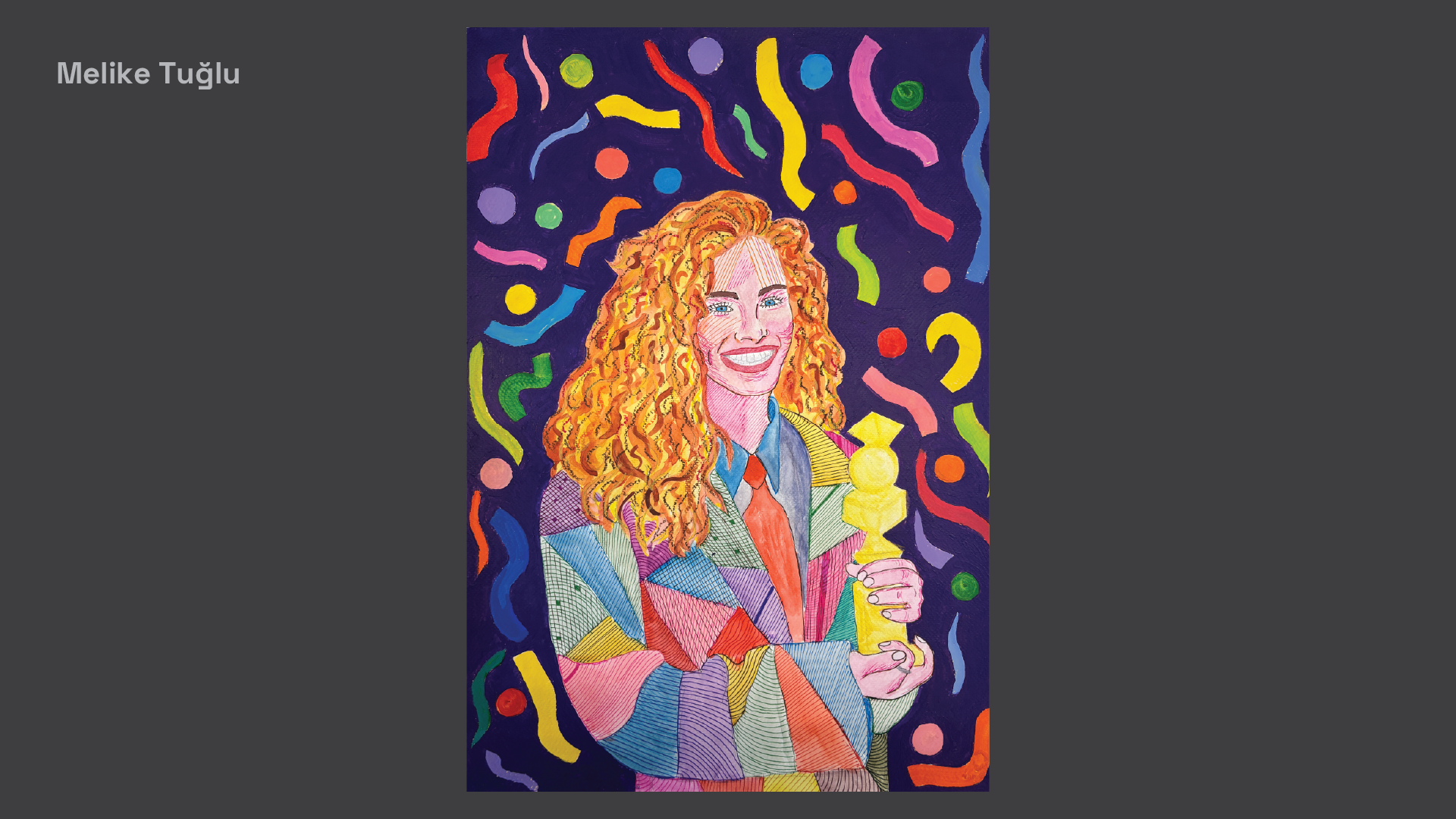
Students create a self-portrait based on a single chosen emotion. They develop a colour palette that visually represents and reinforces that emotion, considering how different colours, tones, and relationships between colours affect the overall expression of the portrait.
The project explores colour as a tool for emotional communication, encouraging students to move beyond realistic representation and use colour intentionally to express mood, atmosphere, and personal interpretation.
Project 04
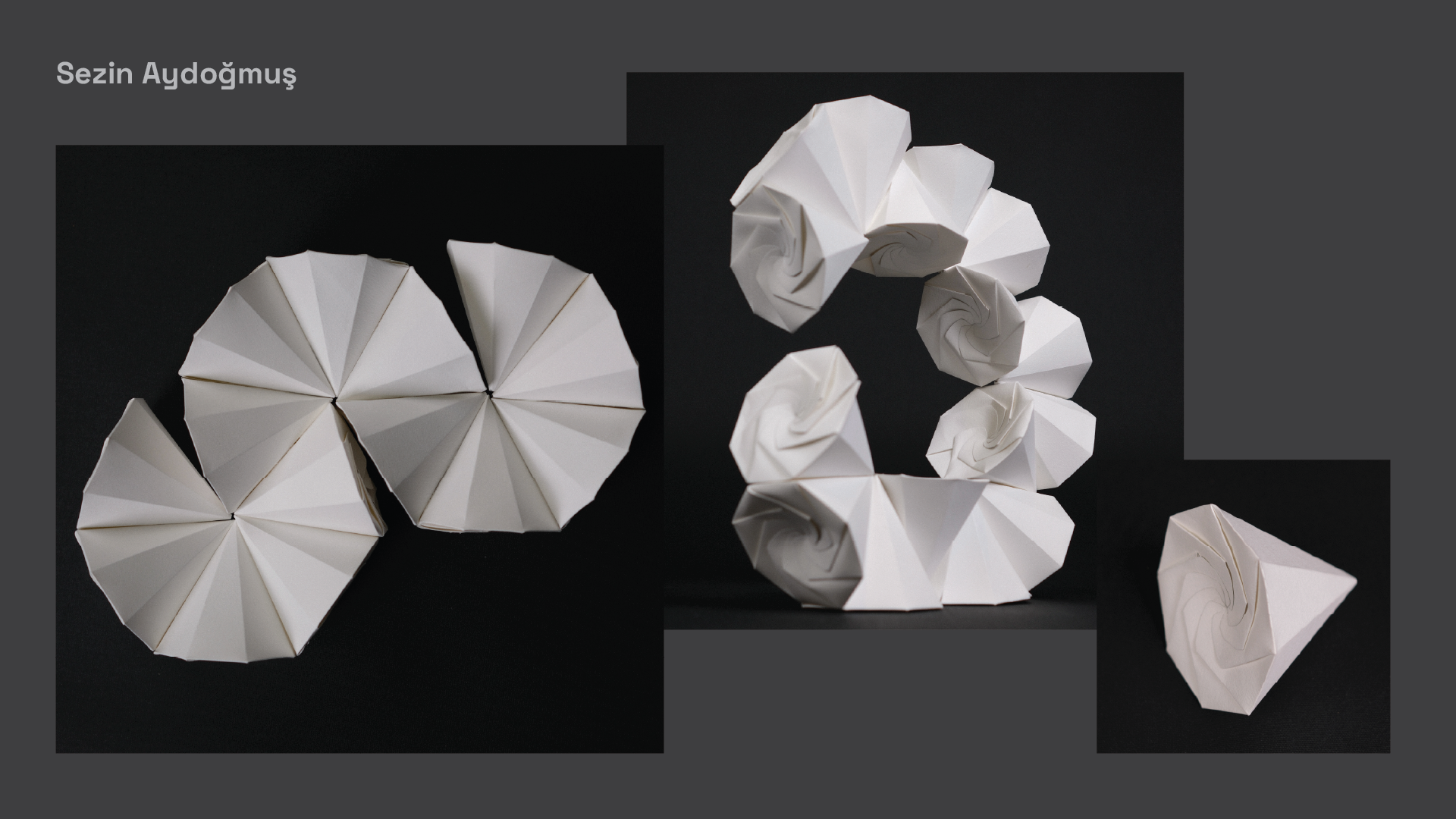
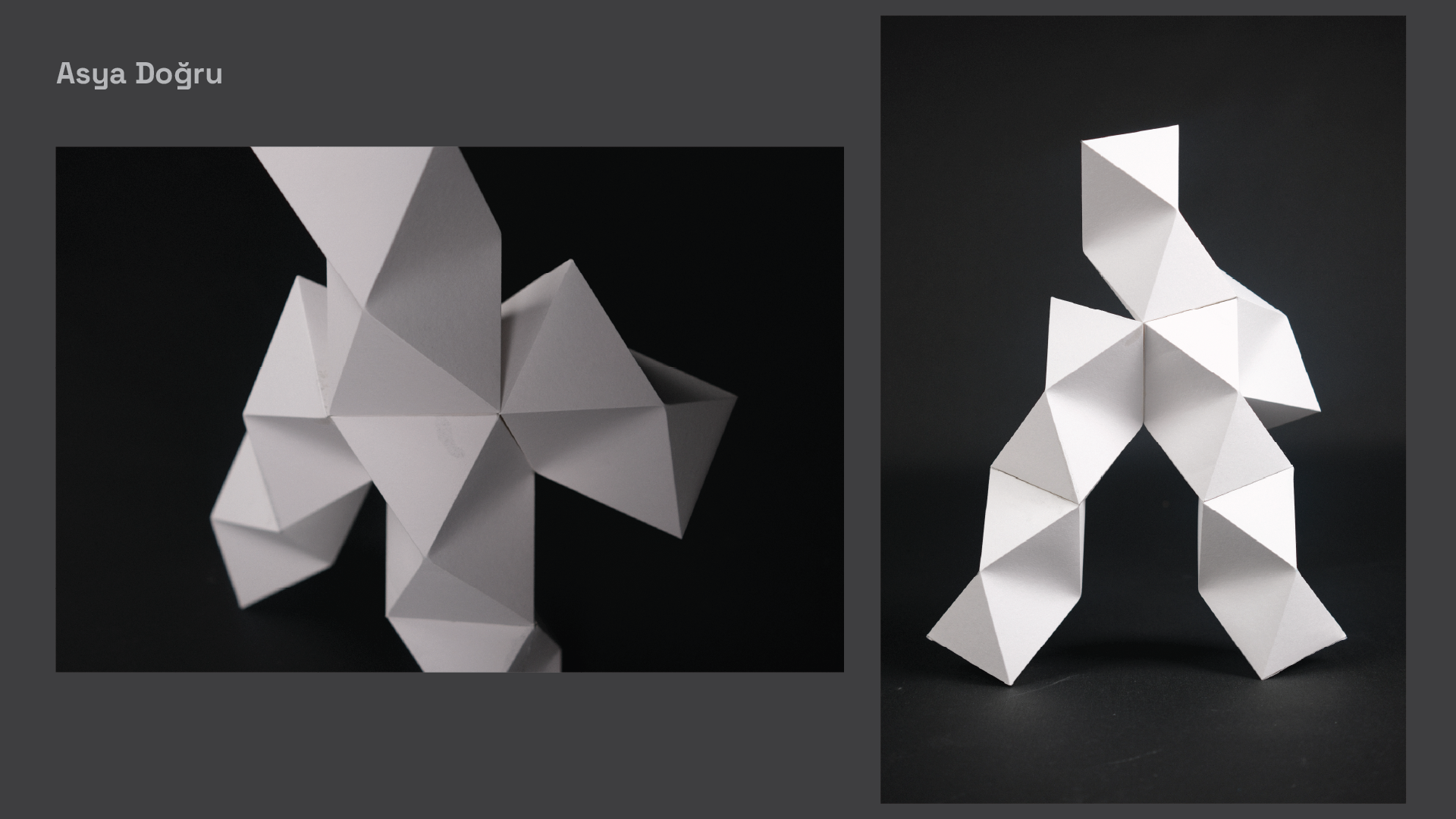
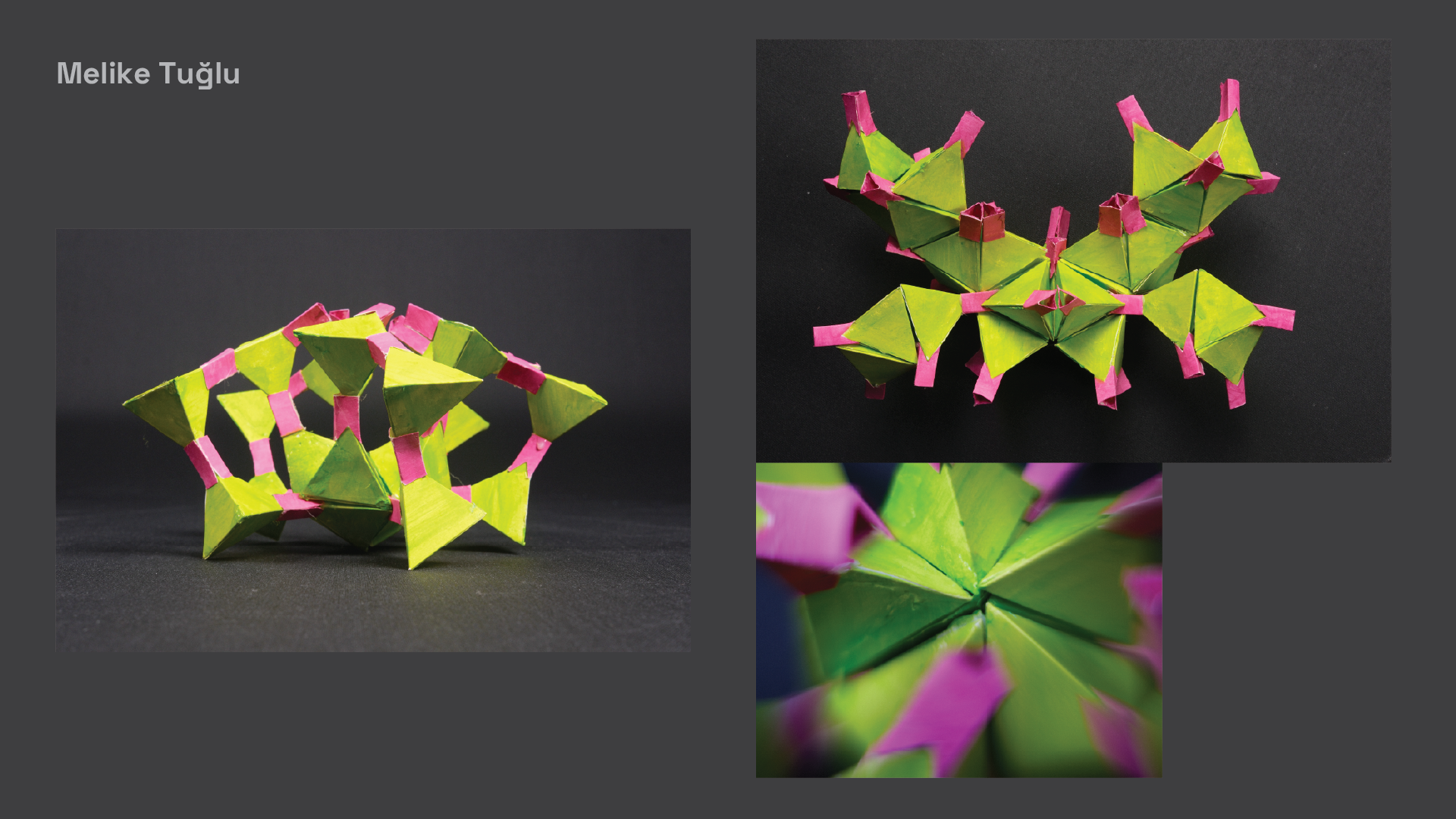
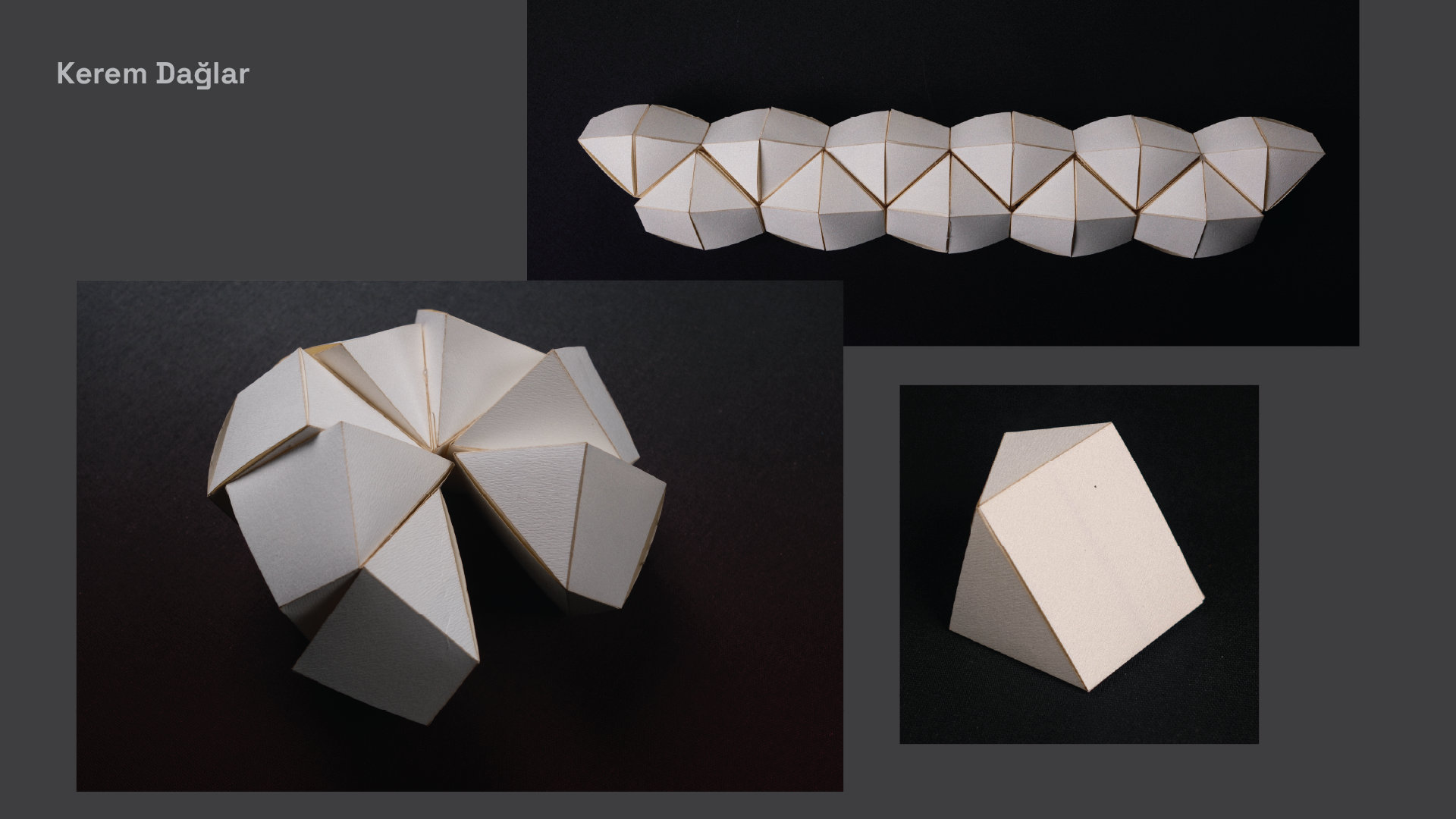
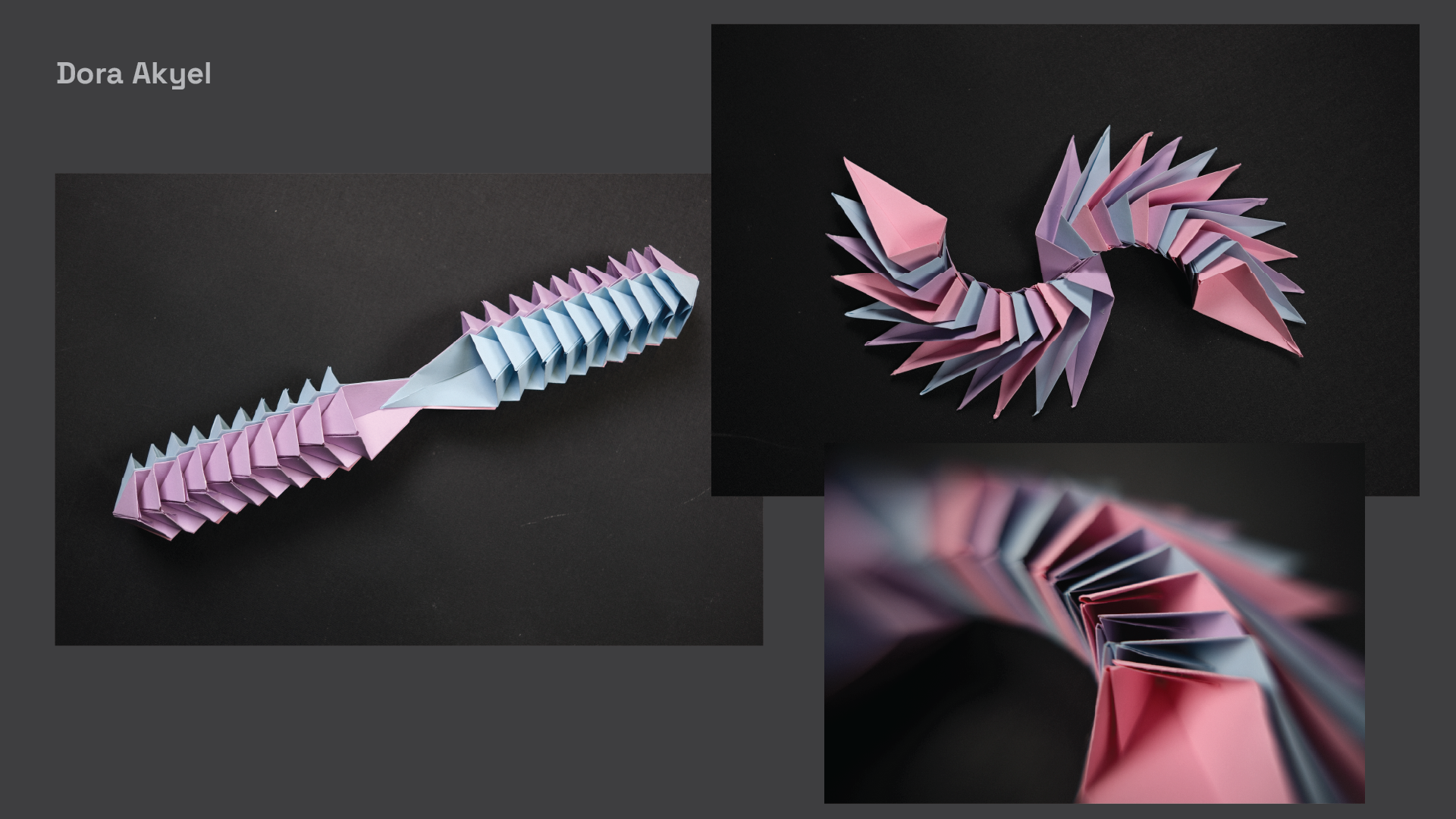
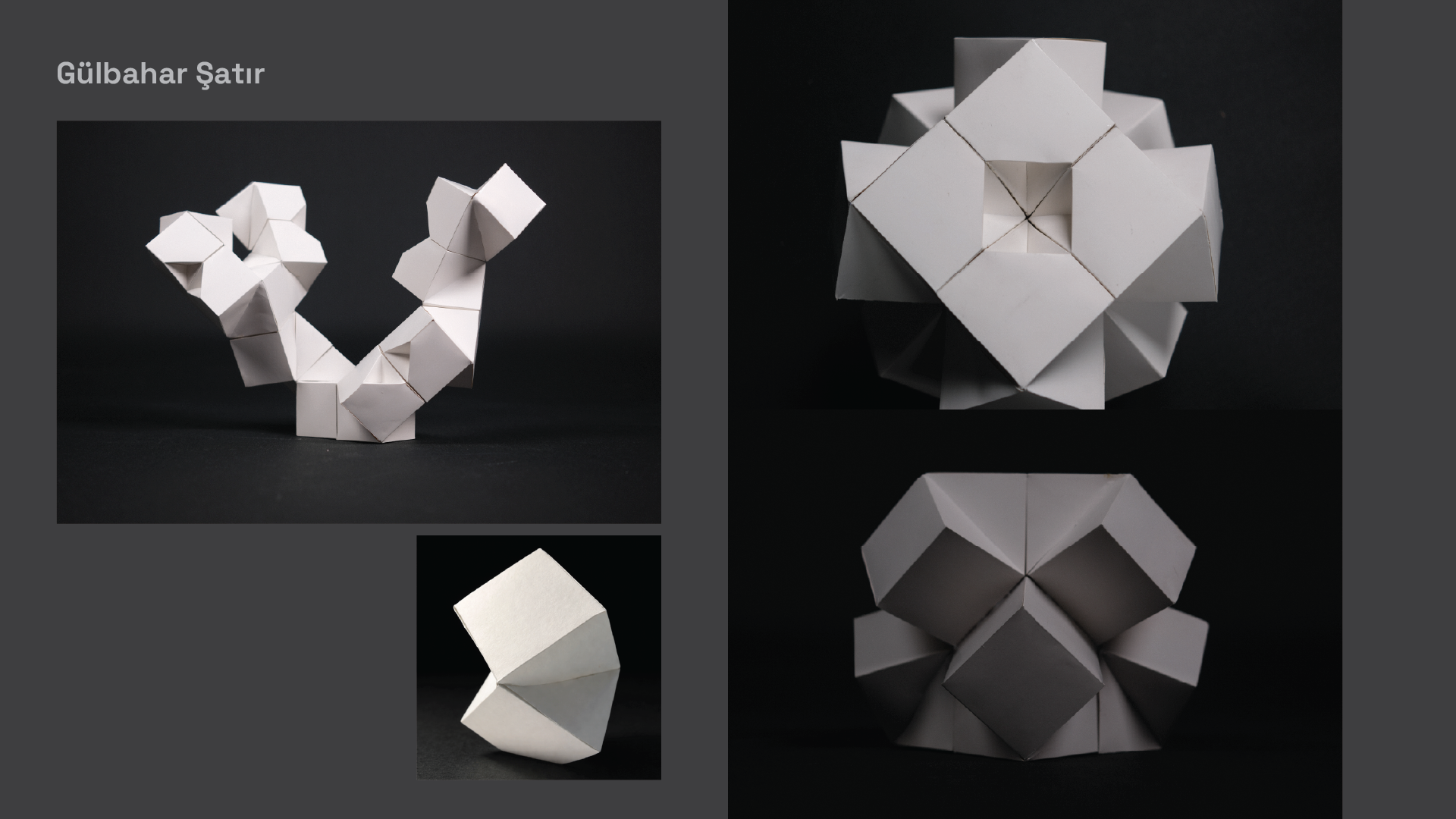
Three-Dimensional Pattern Design with a Module
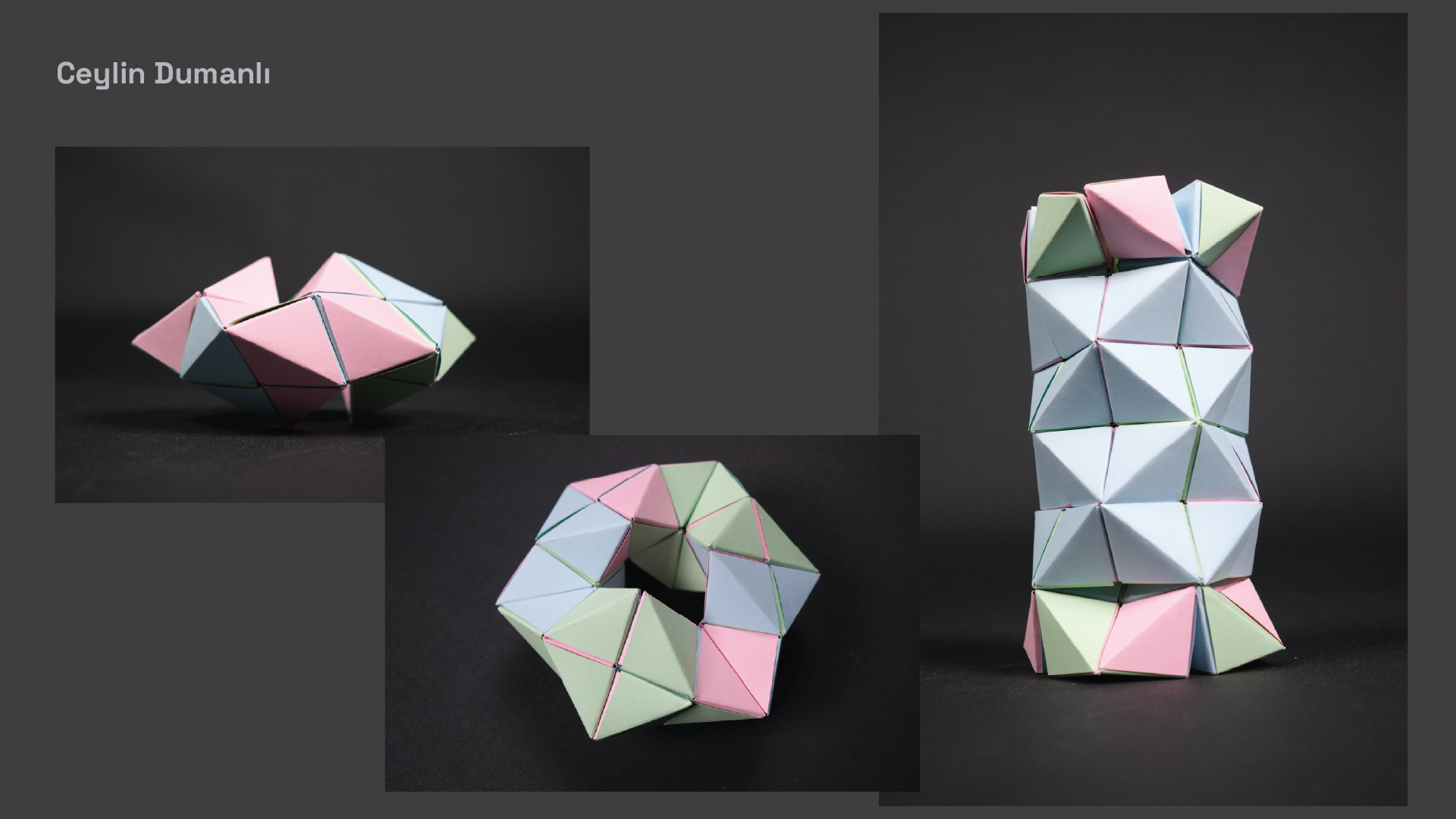
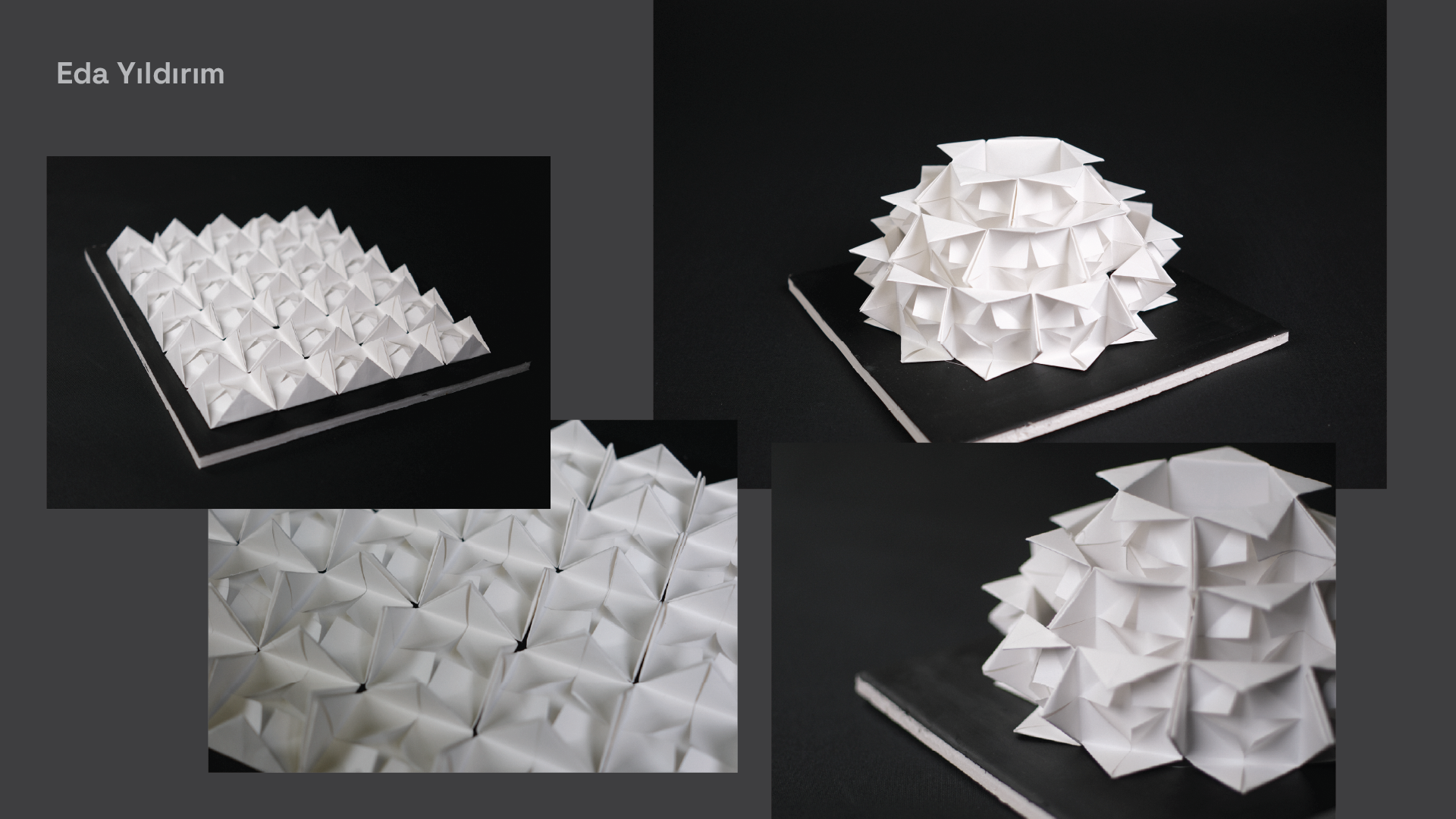
Students design a single paper module using cutting and folding techniques. They reproduce this unit to create three distinct three-dimensional arrangements.
Each arrangement must transform the same module through changes in density, direction, scale, negative space, rhythm, or organisation. The project investigates how repetition and variation can produce complex spatial structures from a simple unit.
Project 05
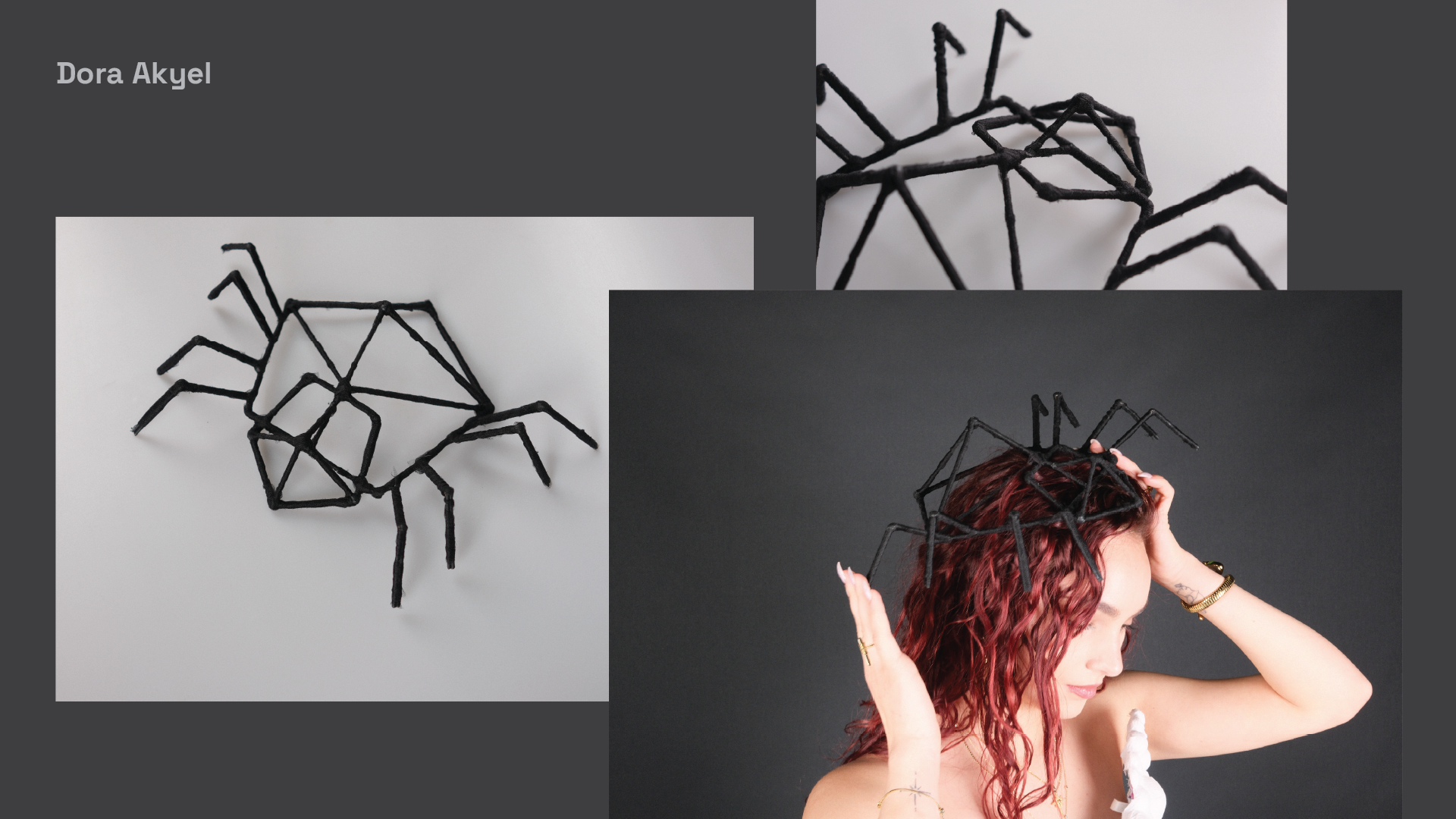
Geometric
Three-Dimensional Form
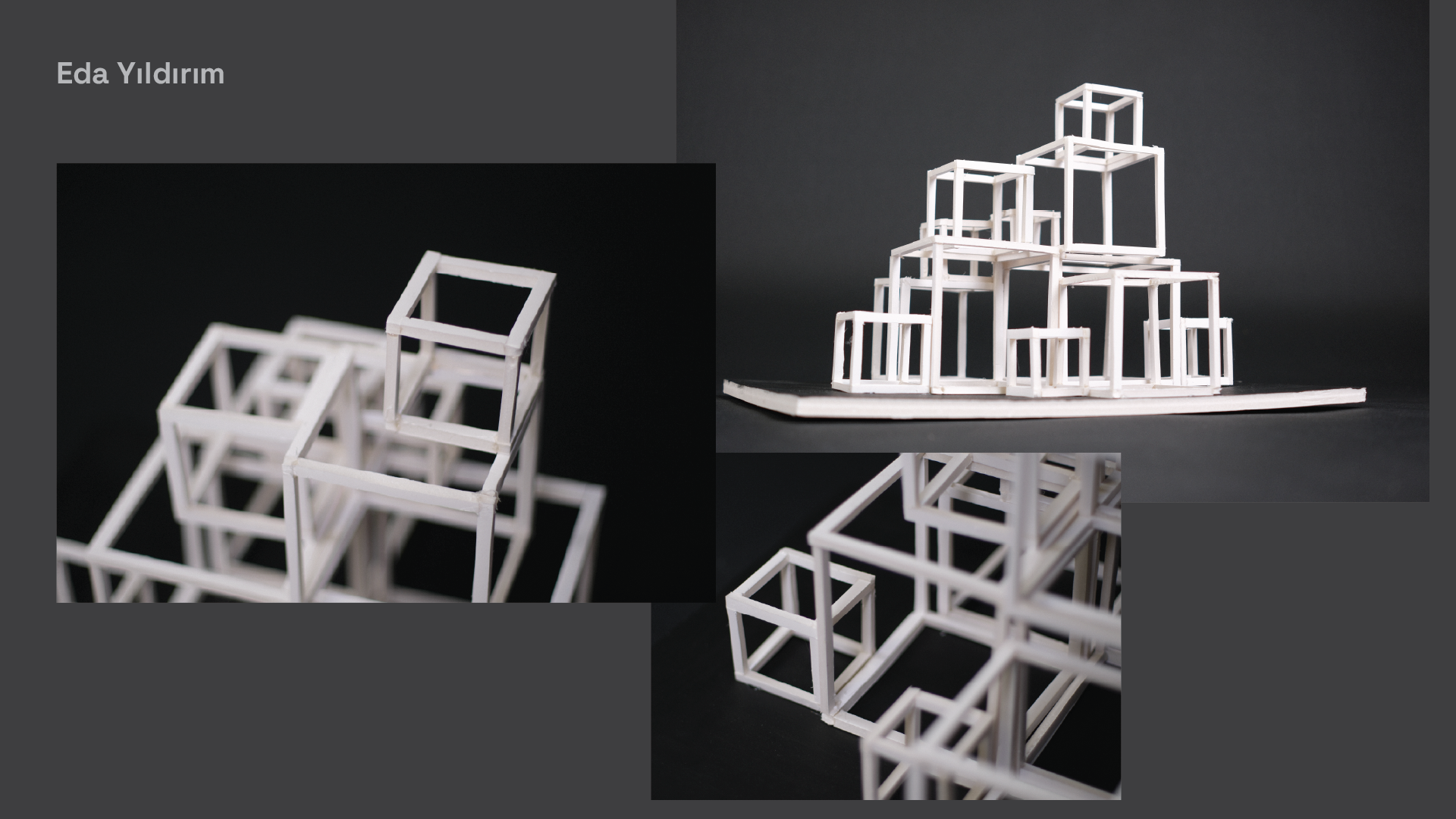
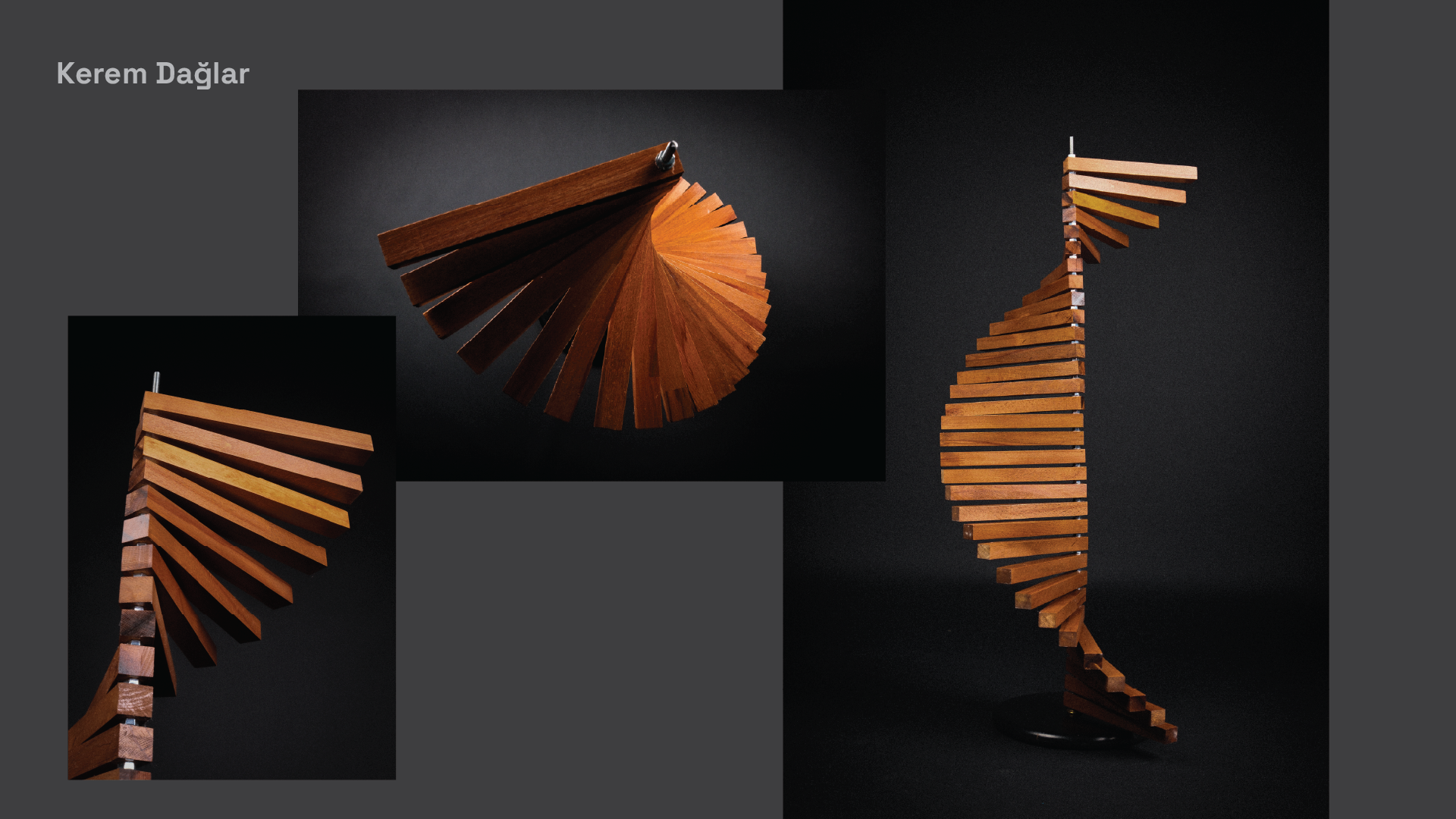
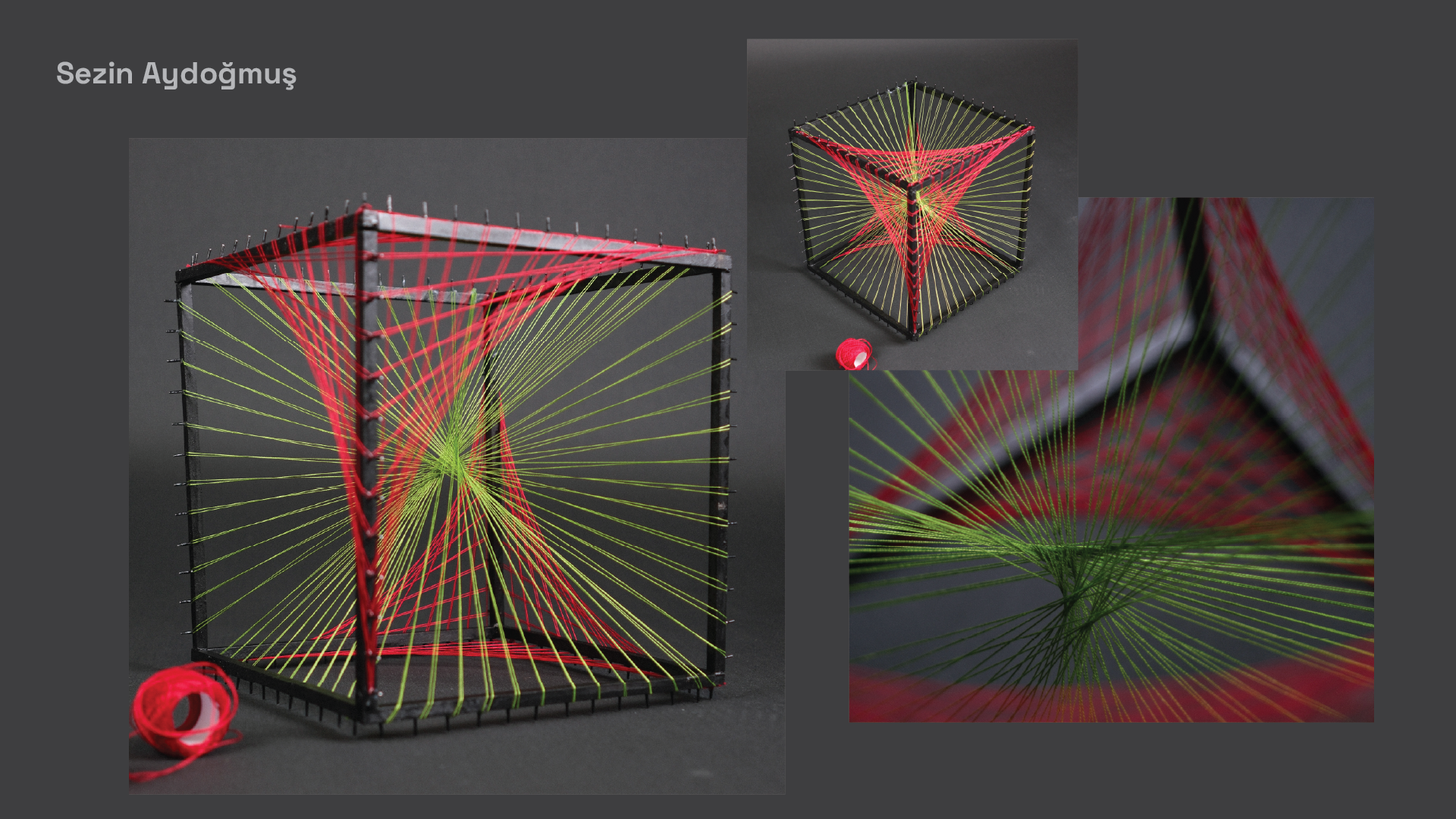
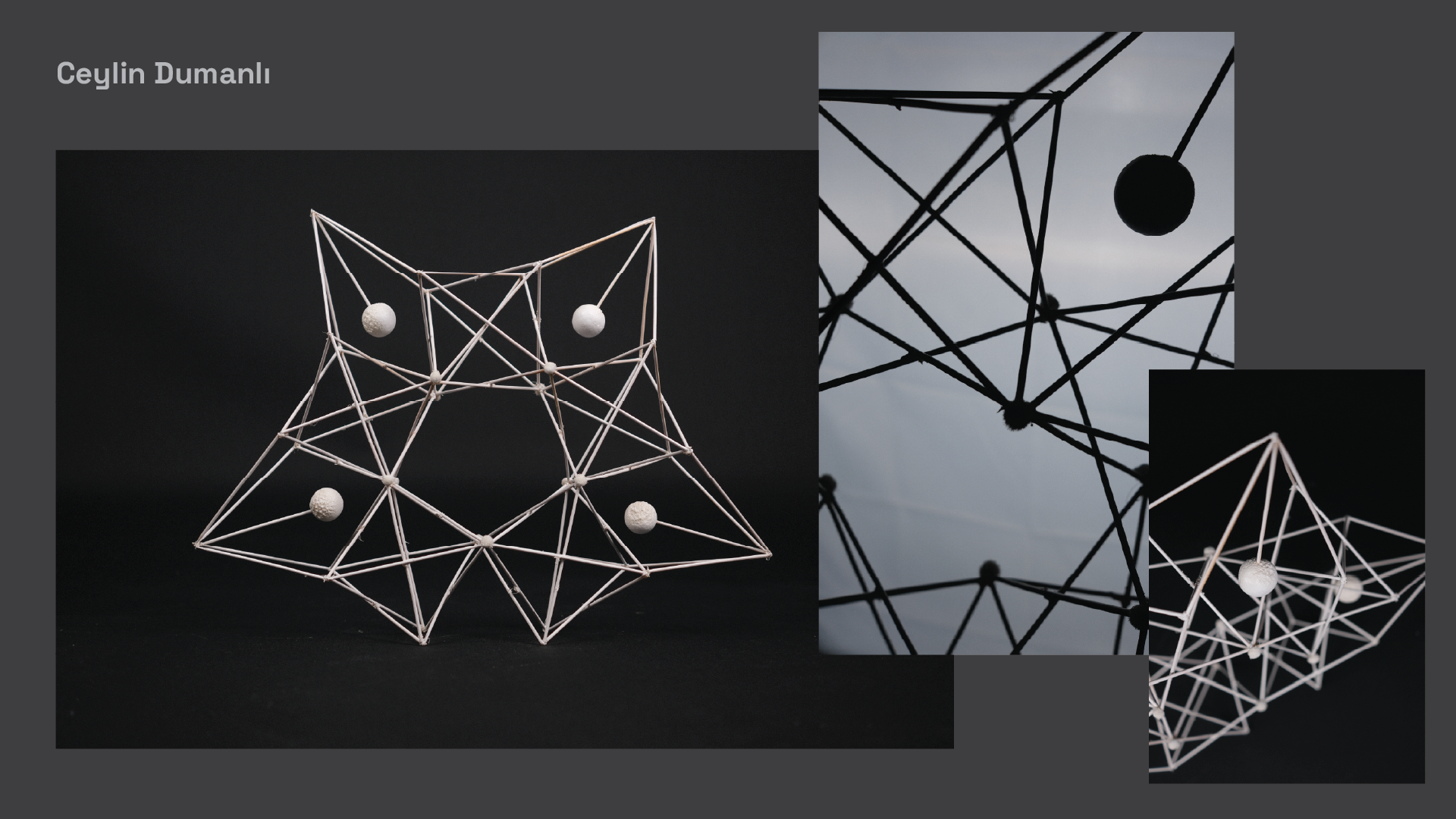
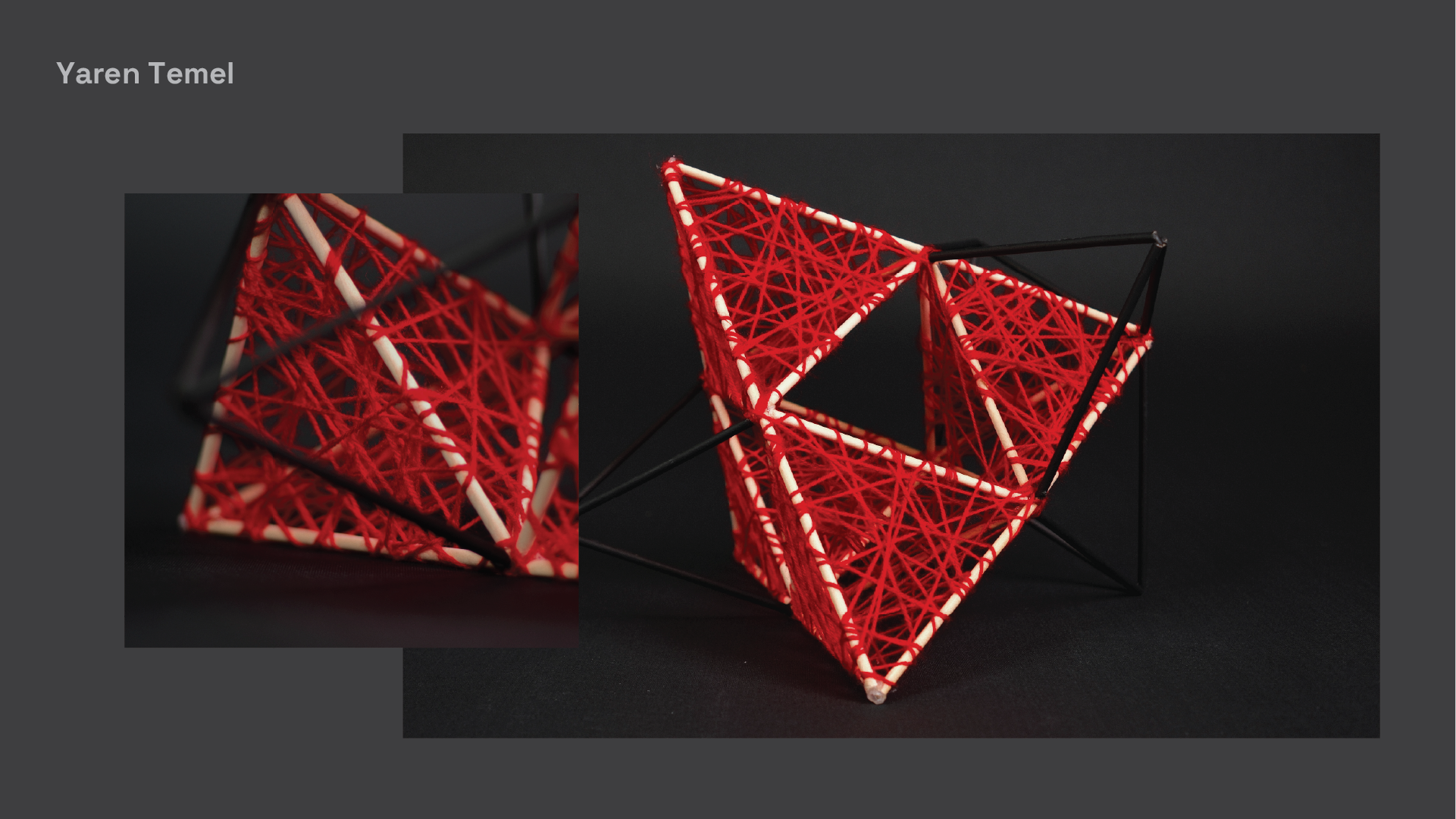
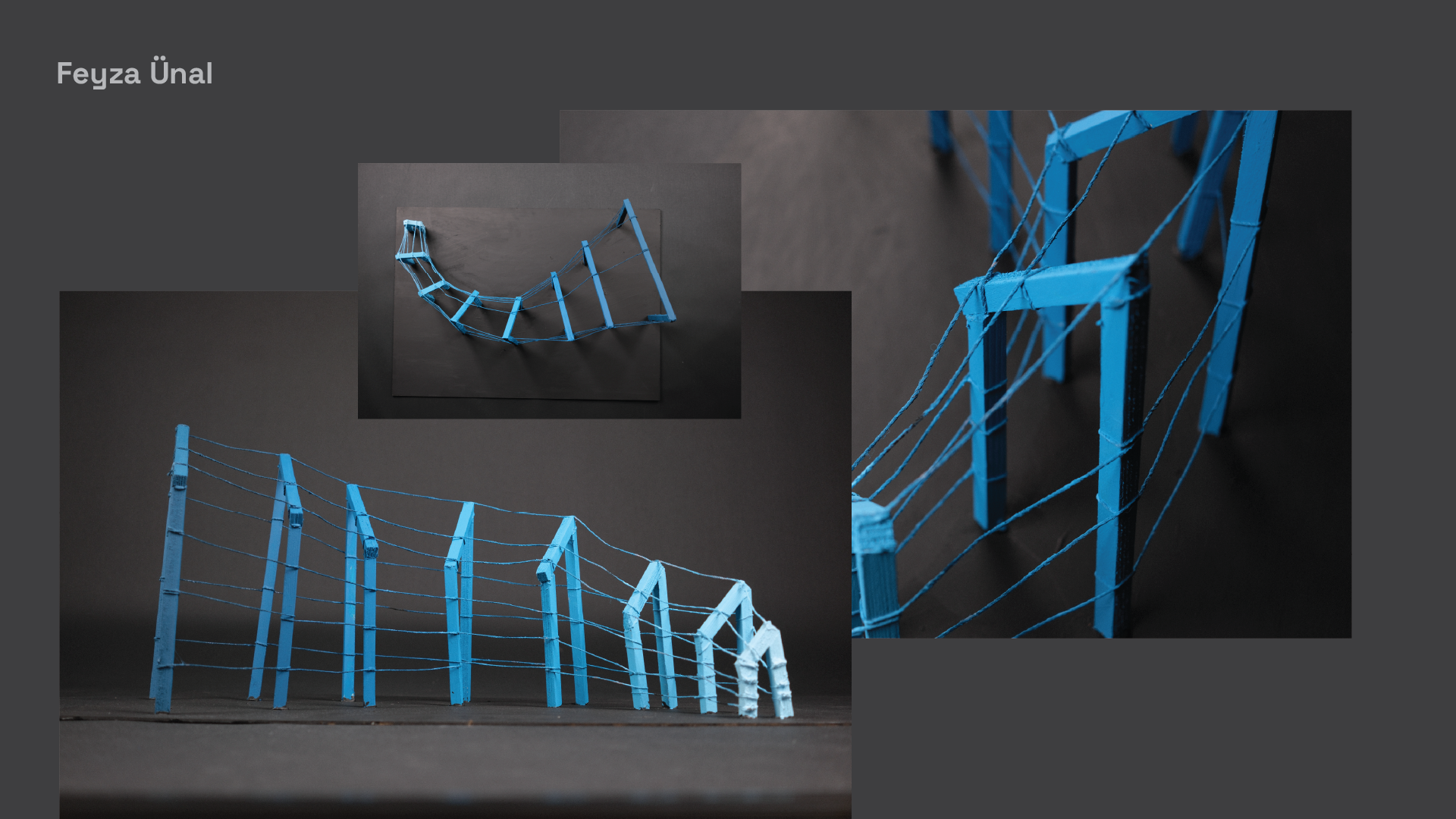
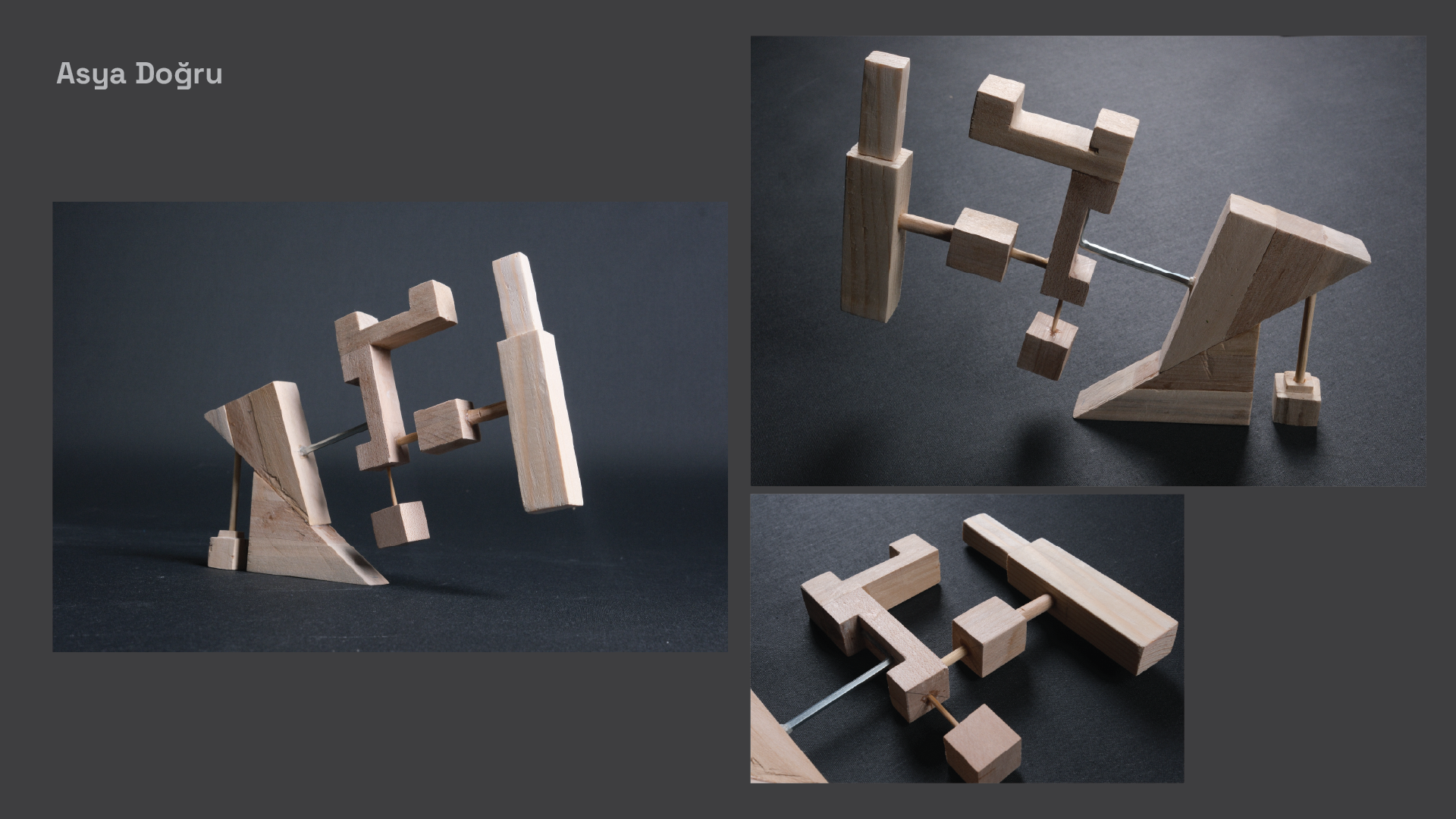
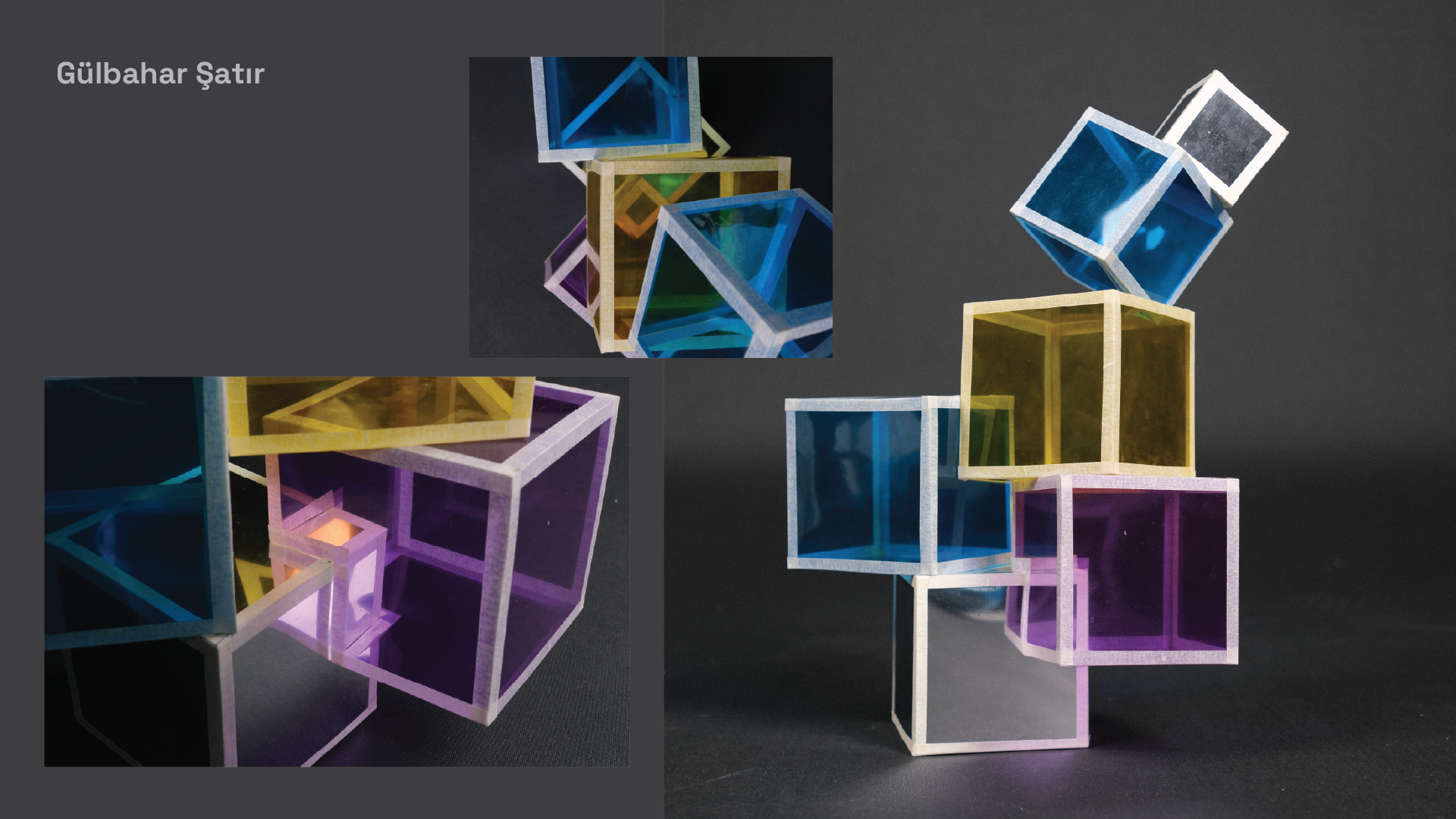
Students design a three-dimensional object based on geometric form, constructed through the repetition of a single element.
Beginning with sketches and material experiments, students explore how repetition, proportion, structure, and spatial organisation can generate a coherent geometric form. The project emphasises the relationship between the selected material, the repeated unit, and the overall three-dimensional structure.
Project 06
Organic
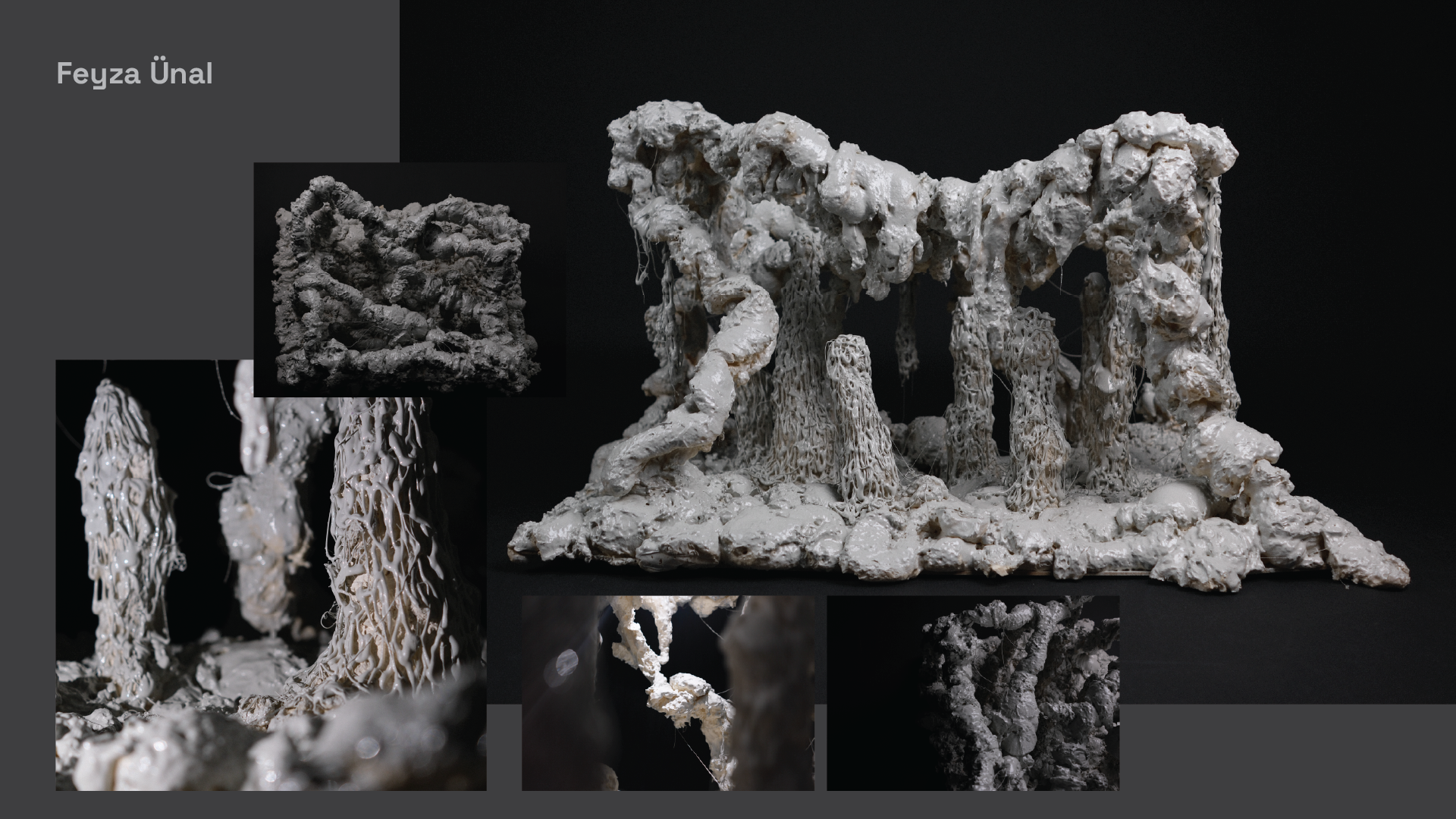
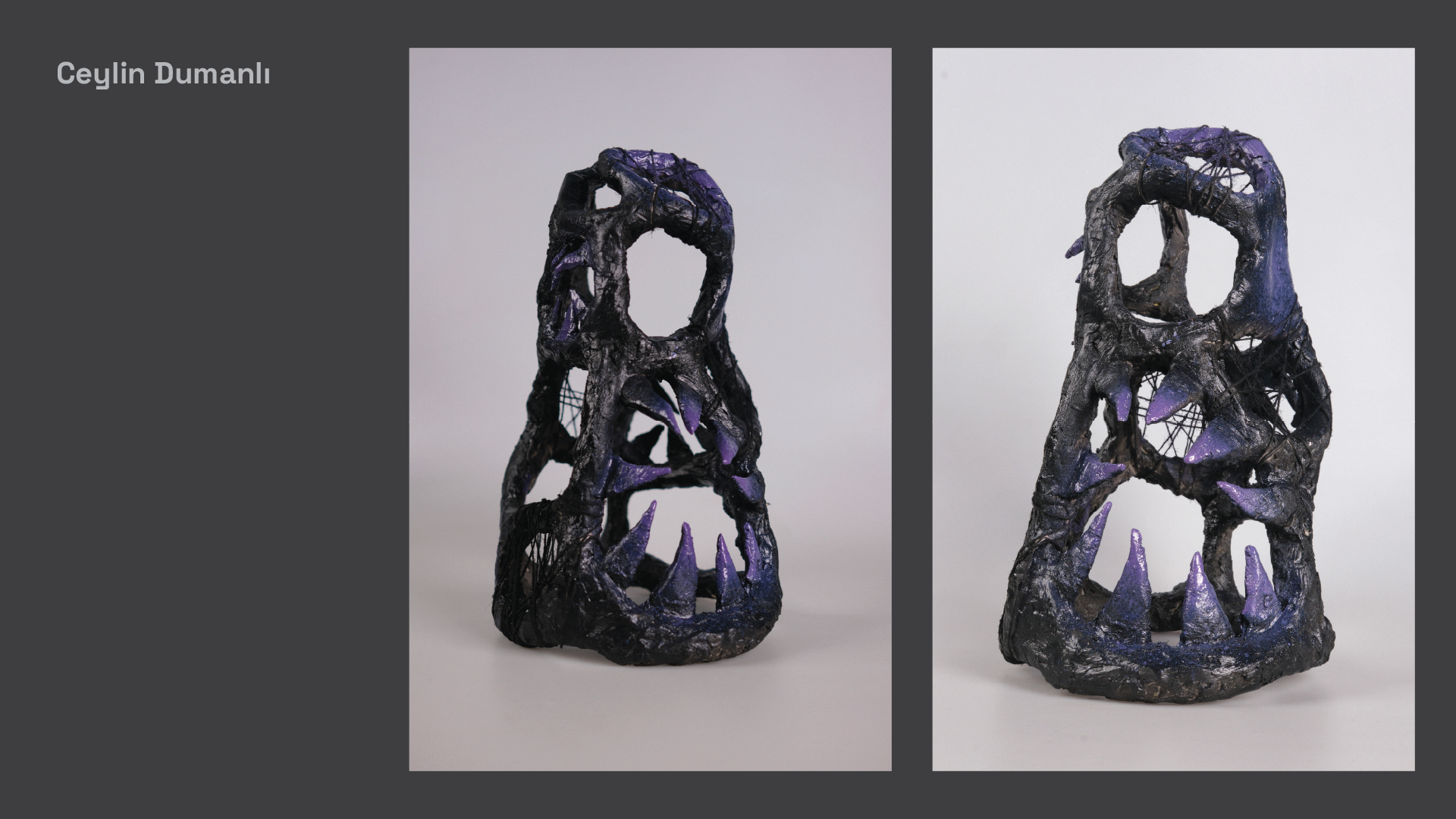
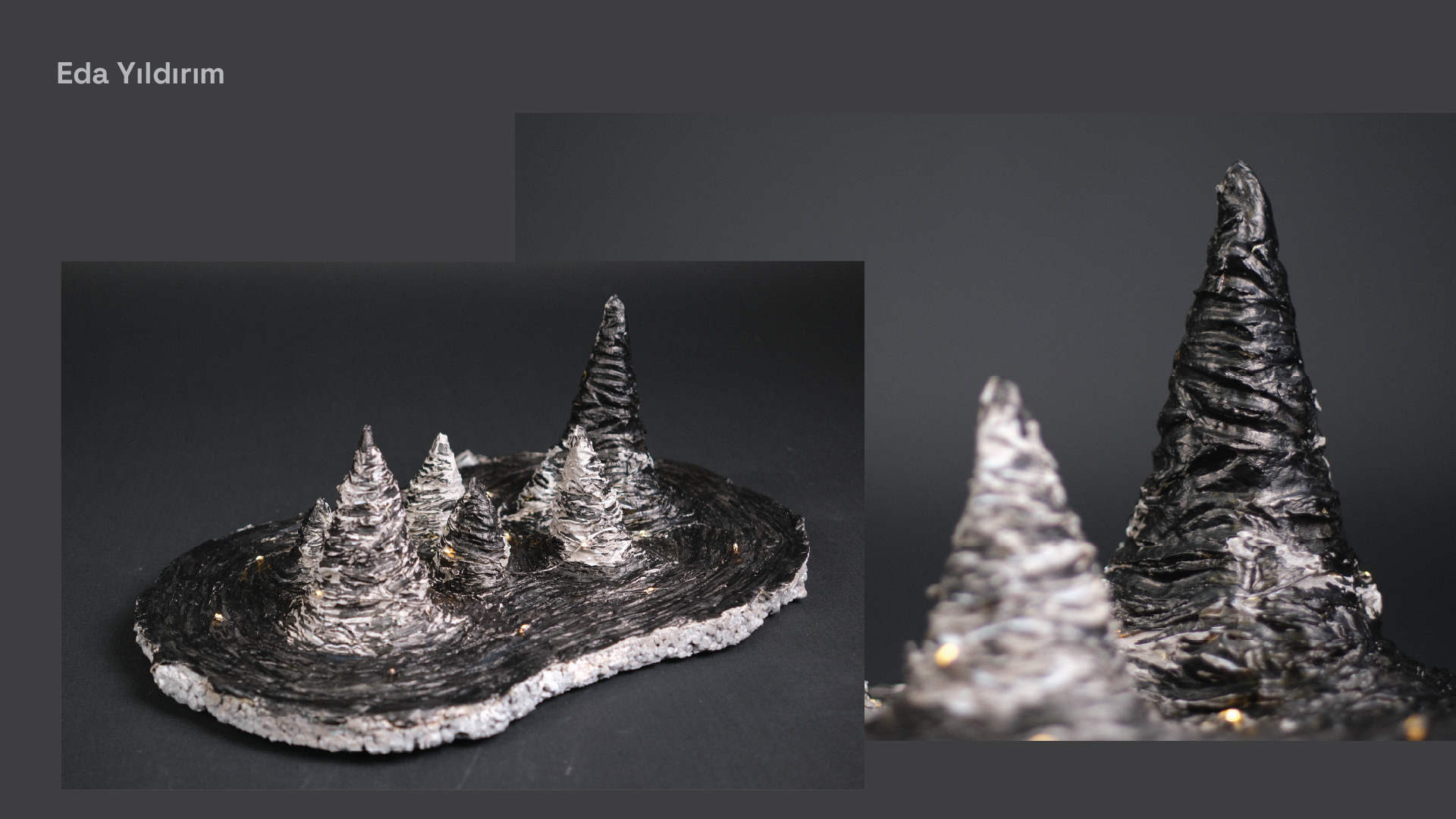
Three-Dimensional Form
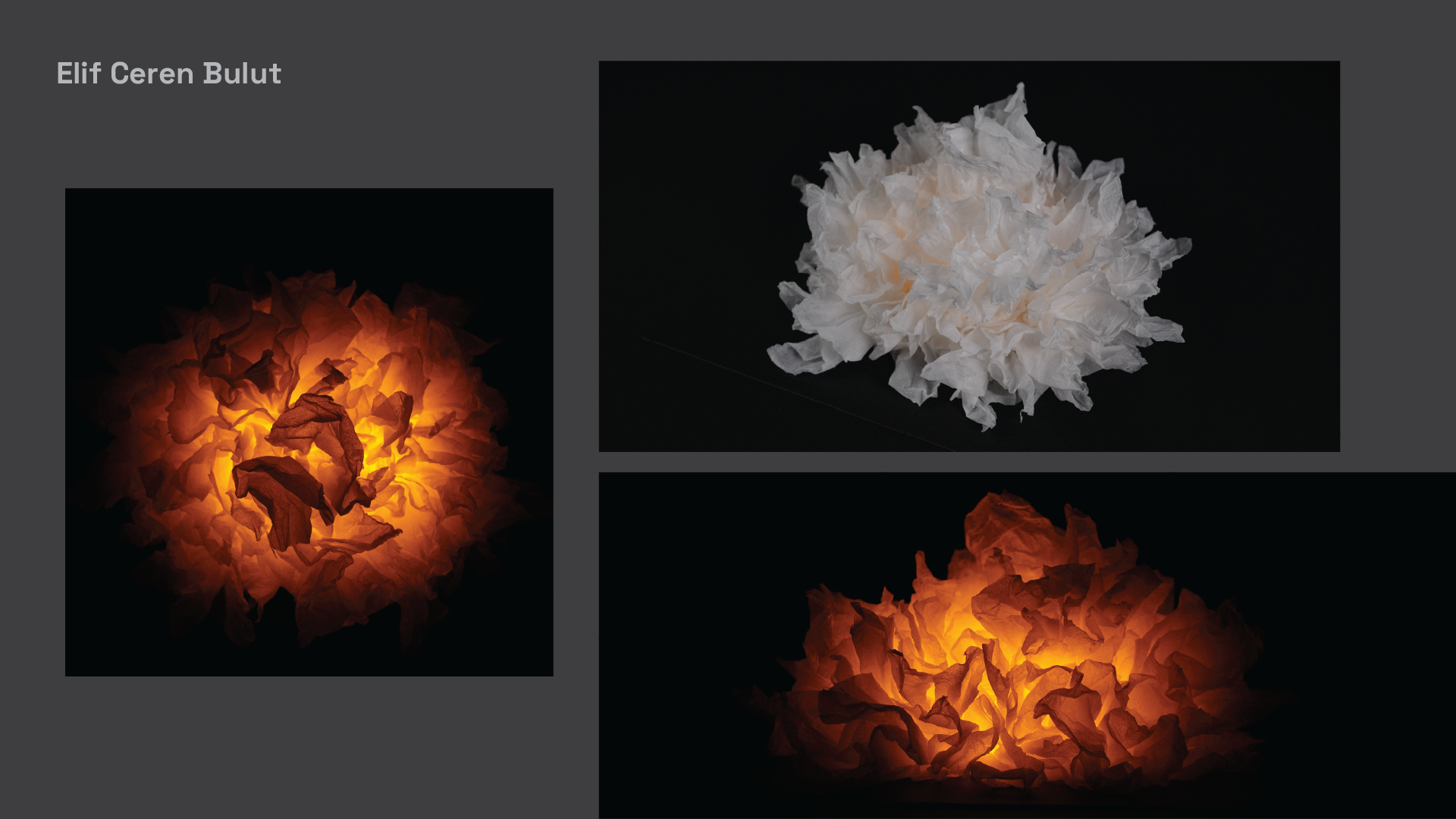
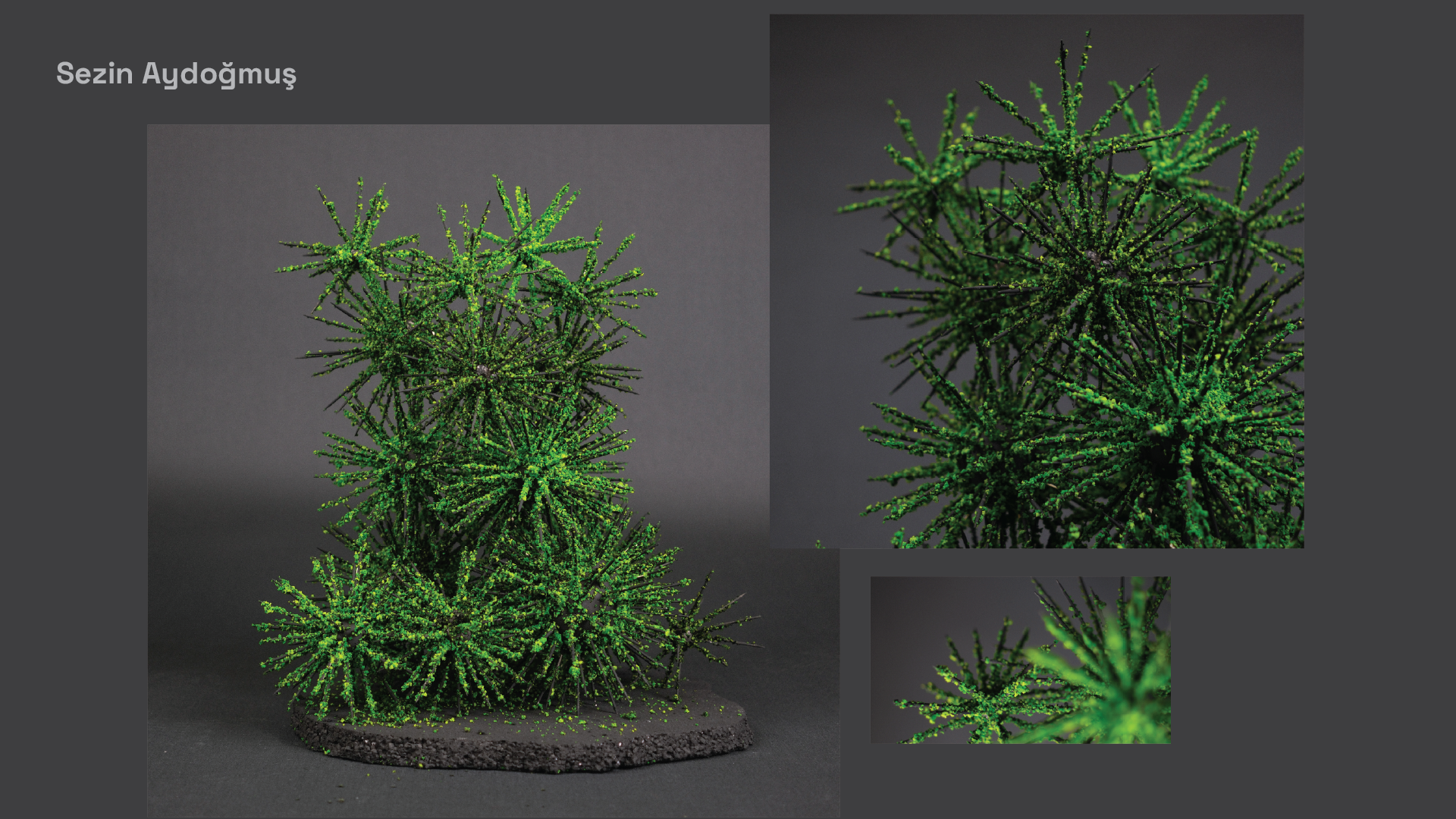
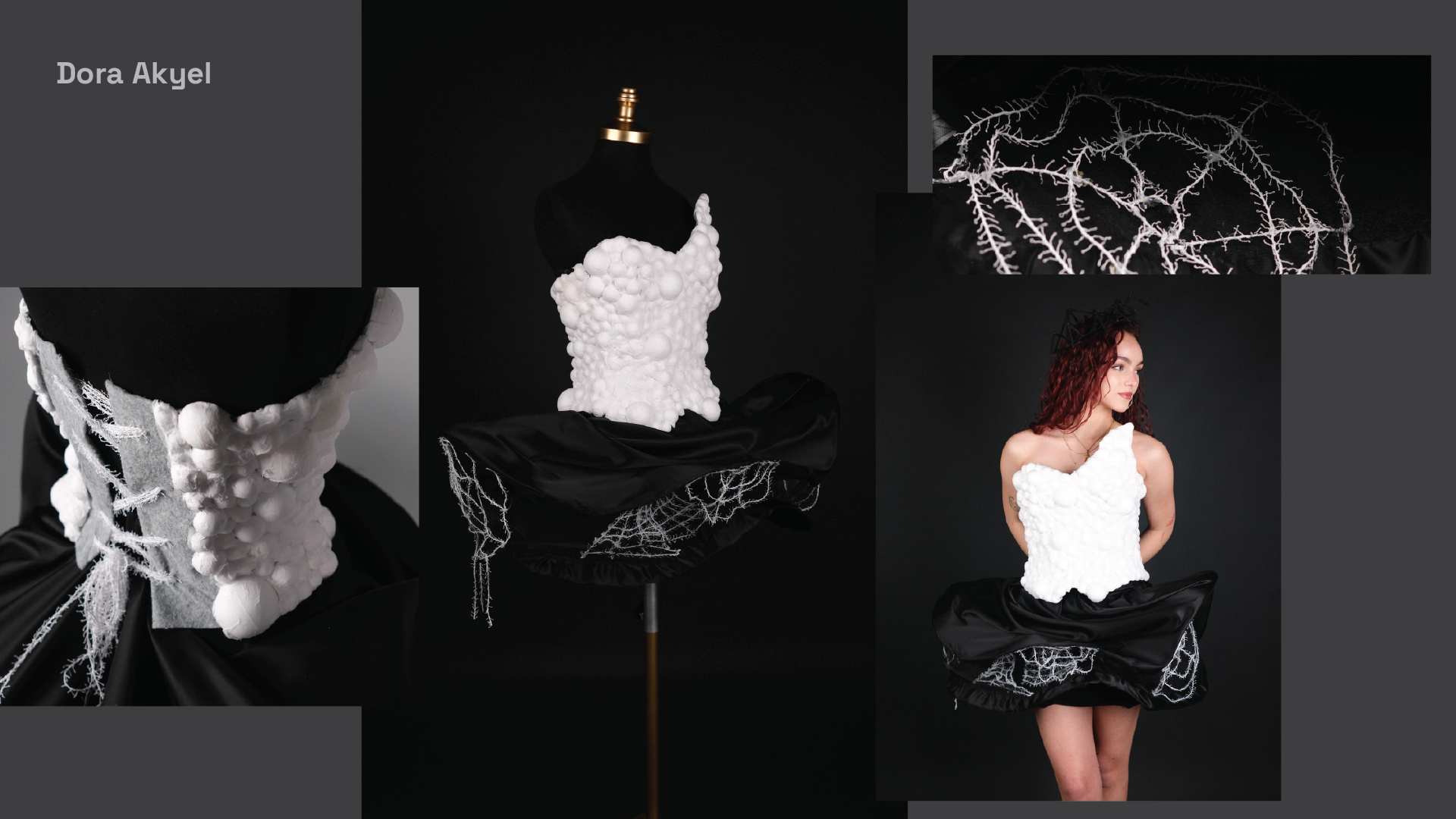
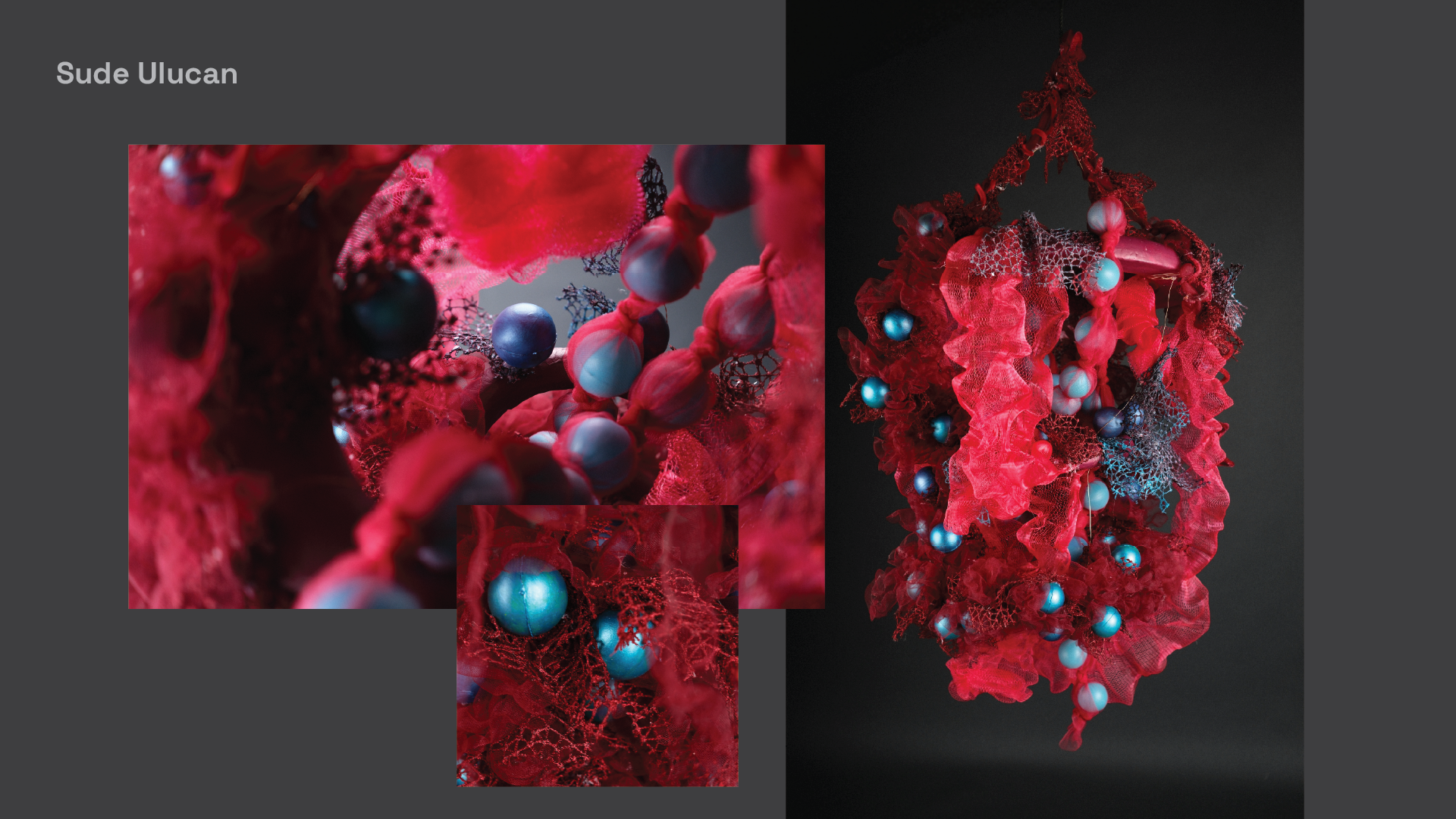
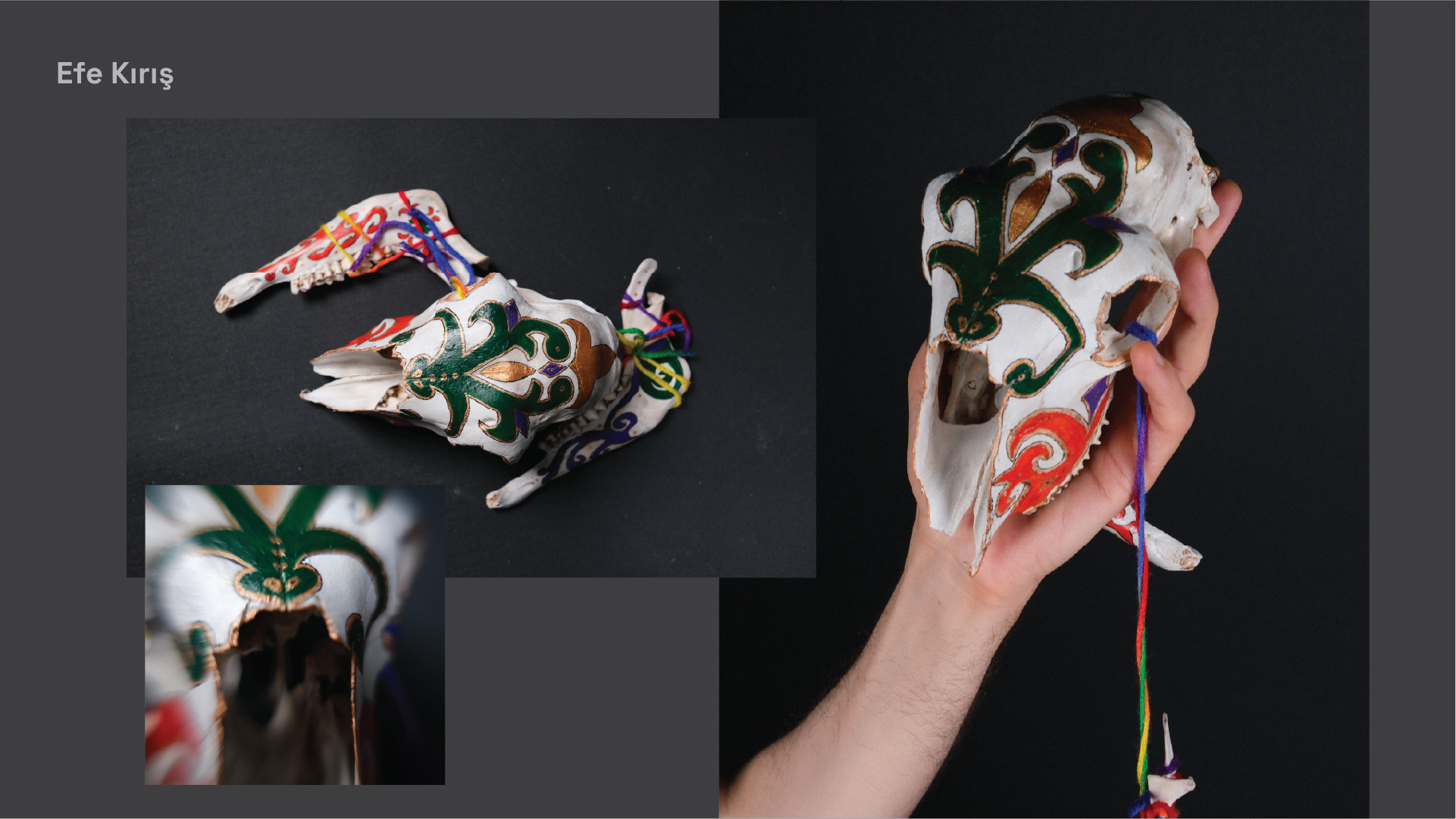
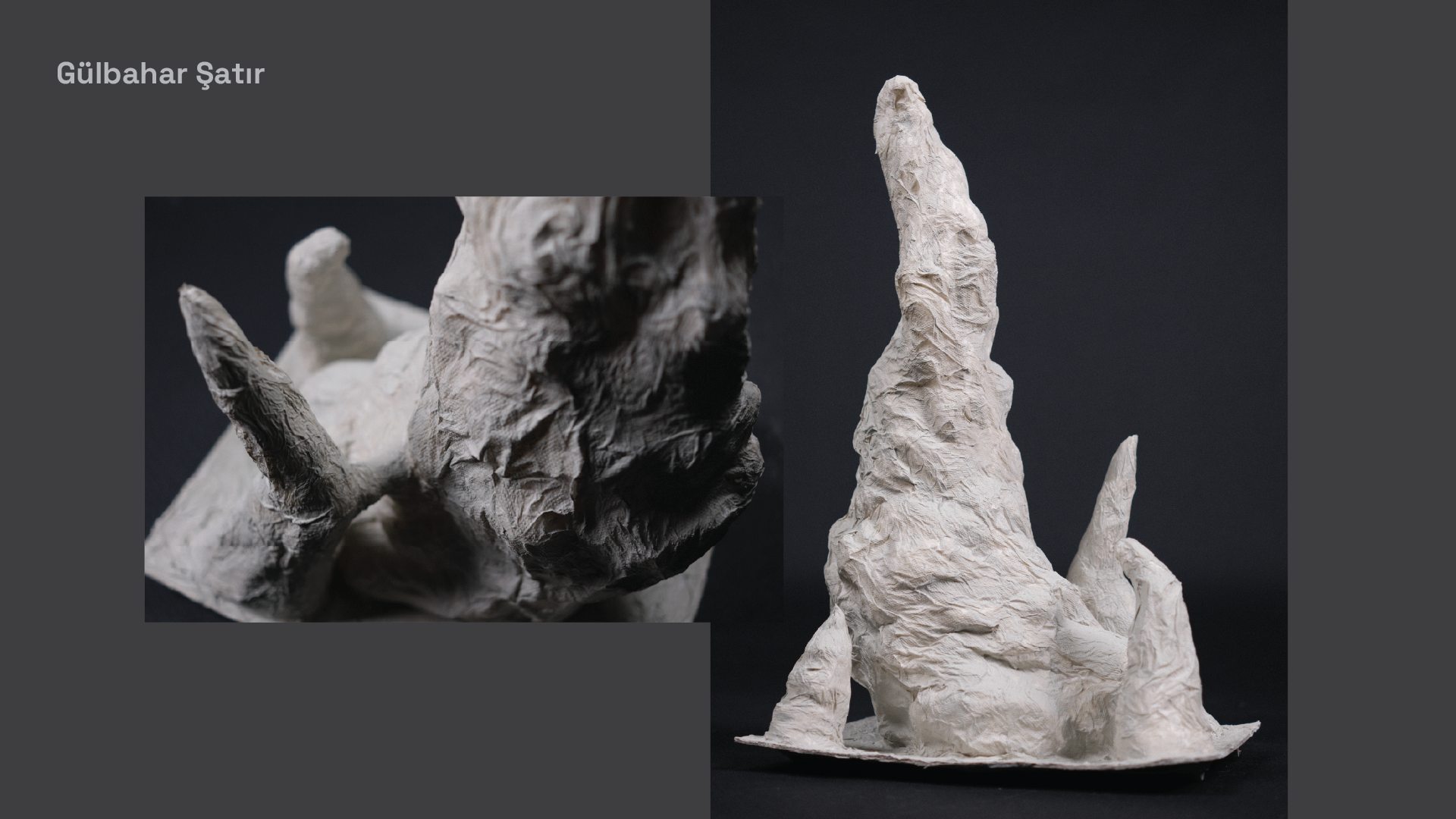
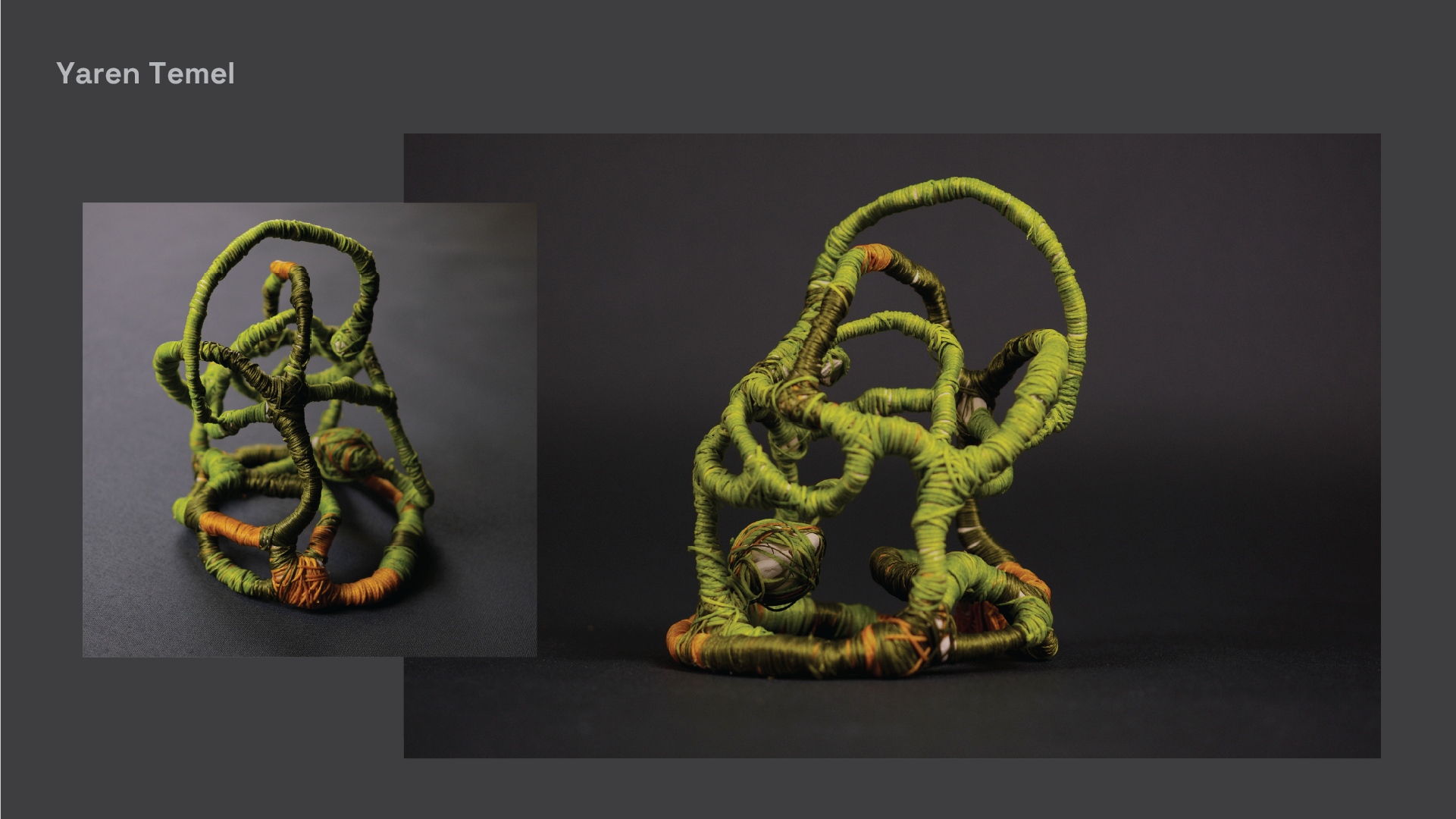
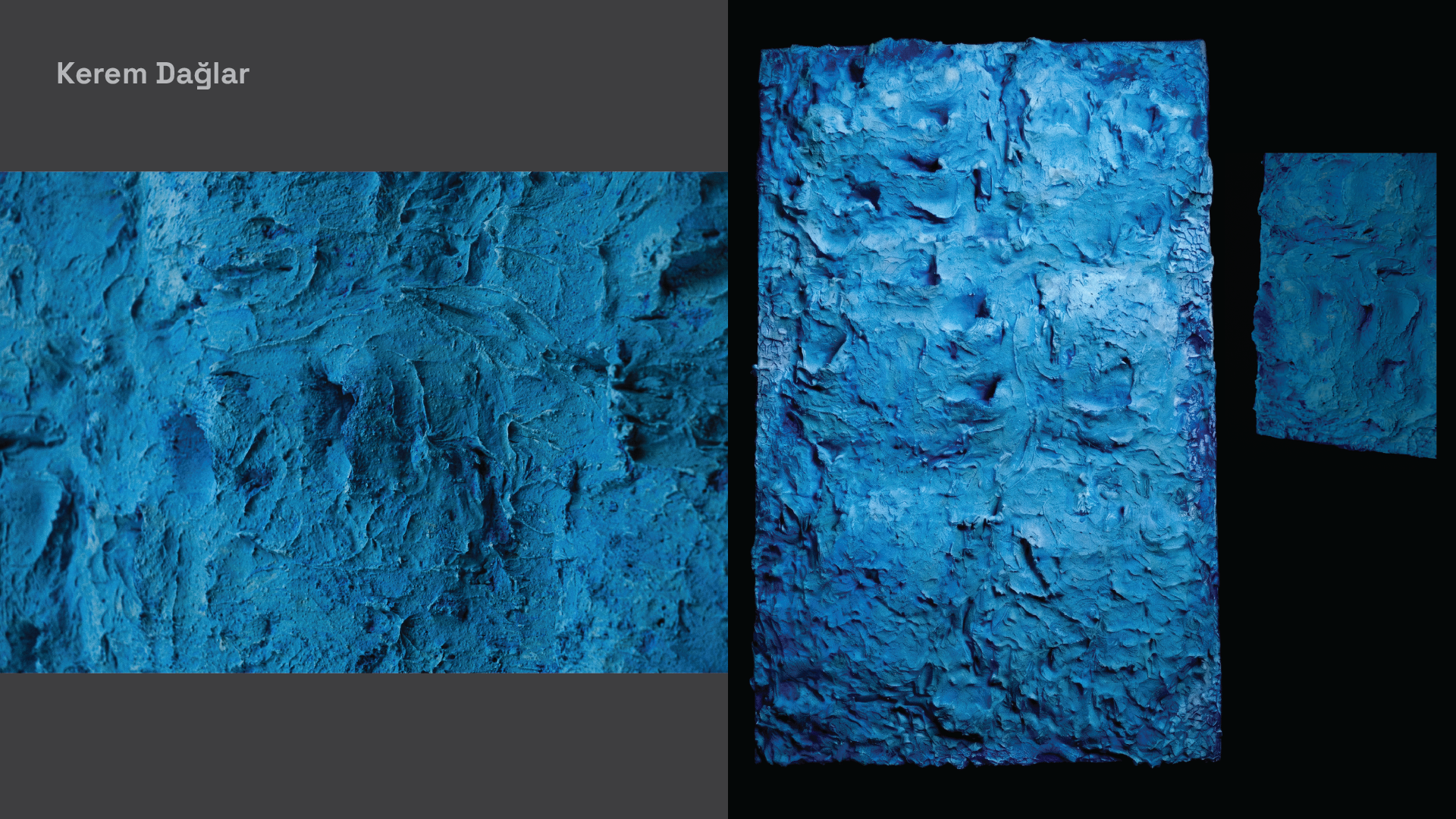
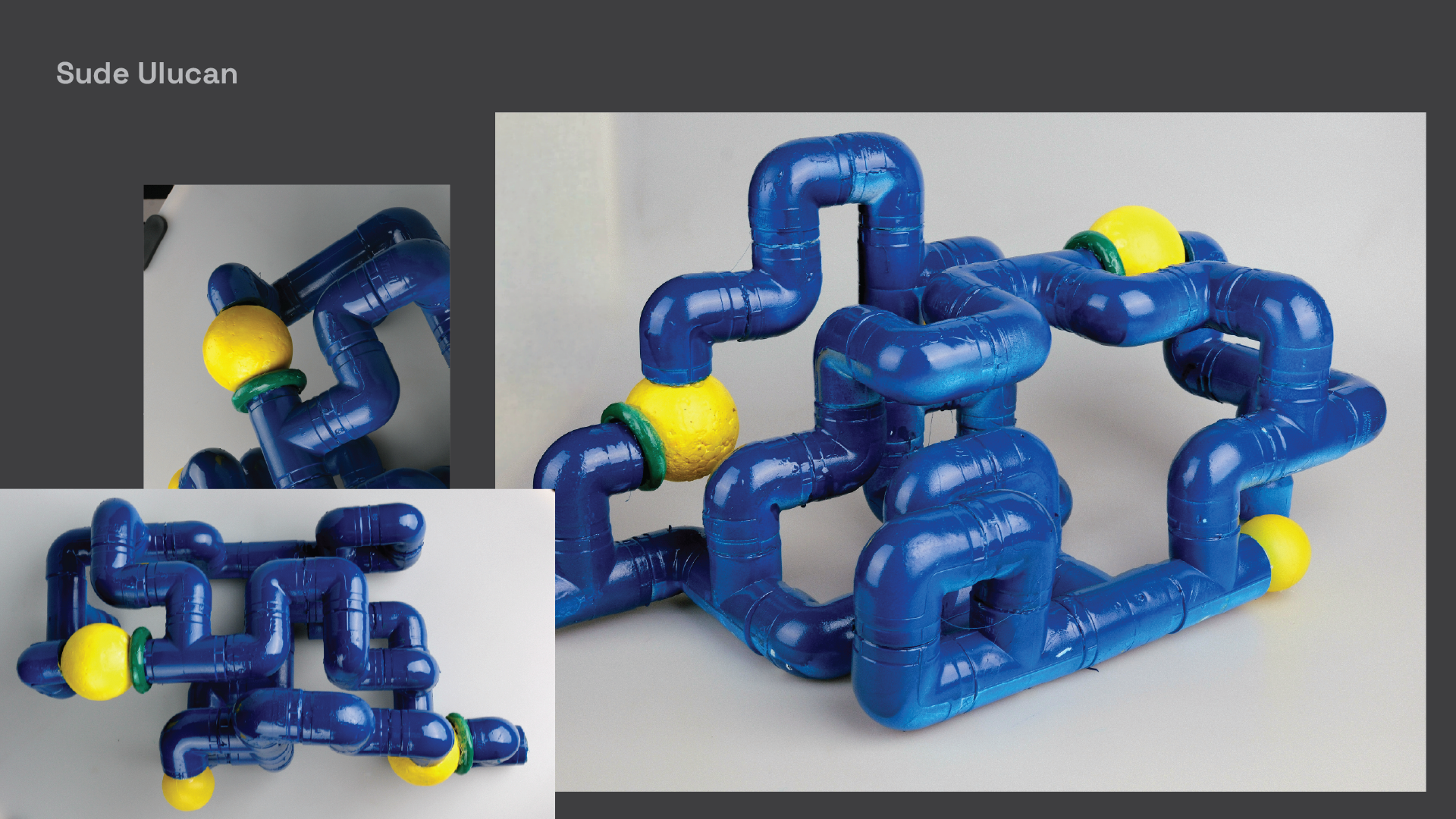
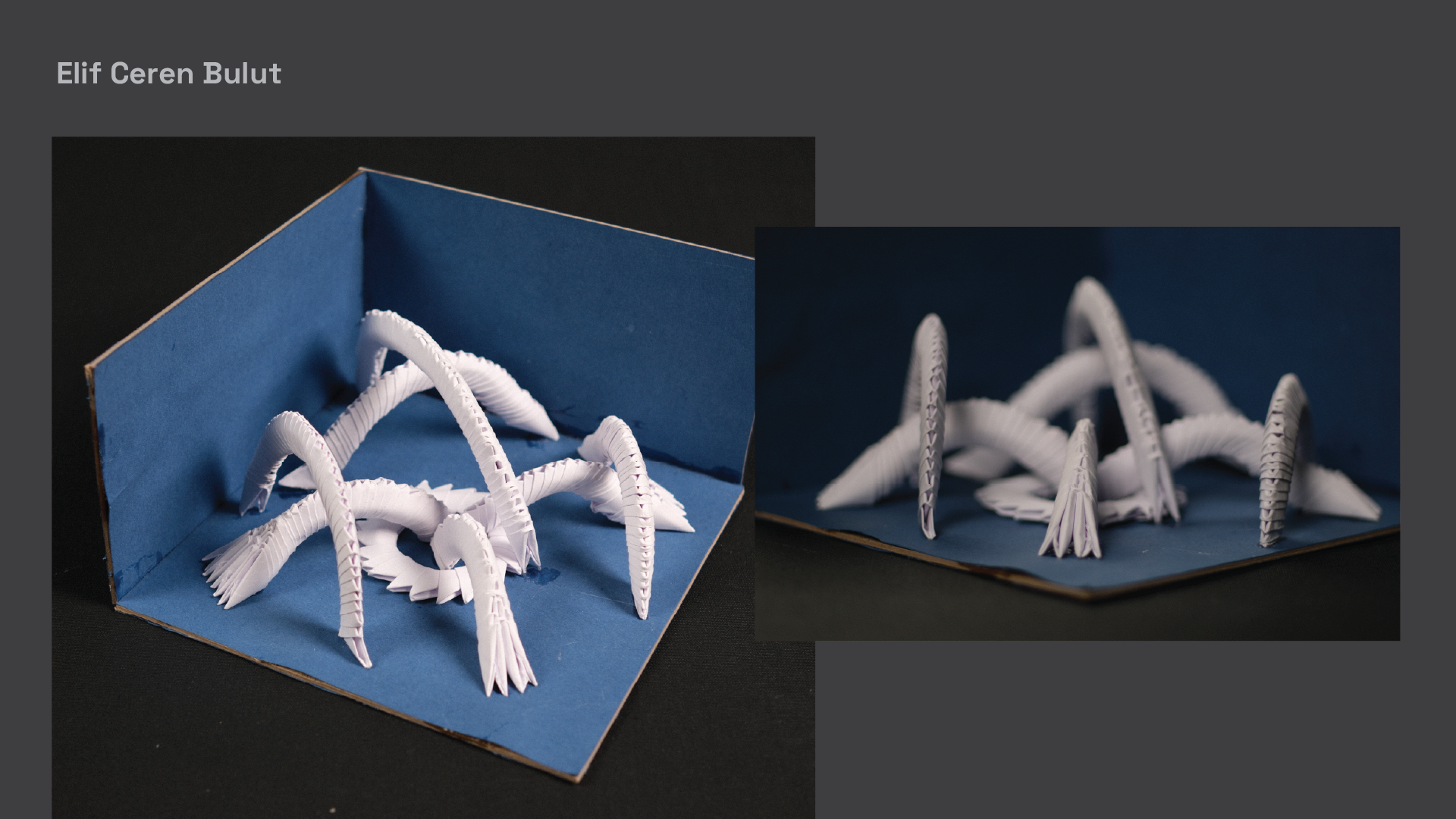
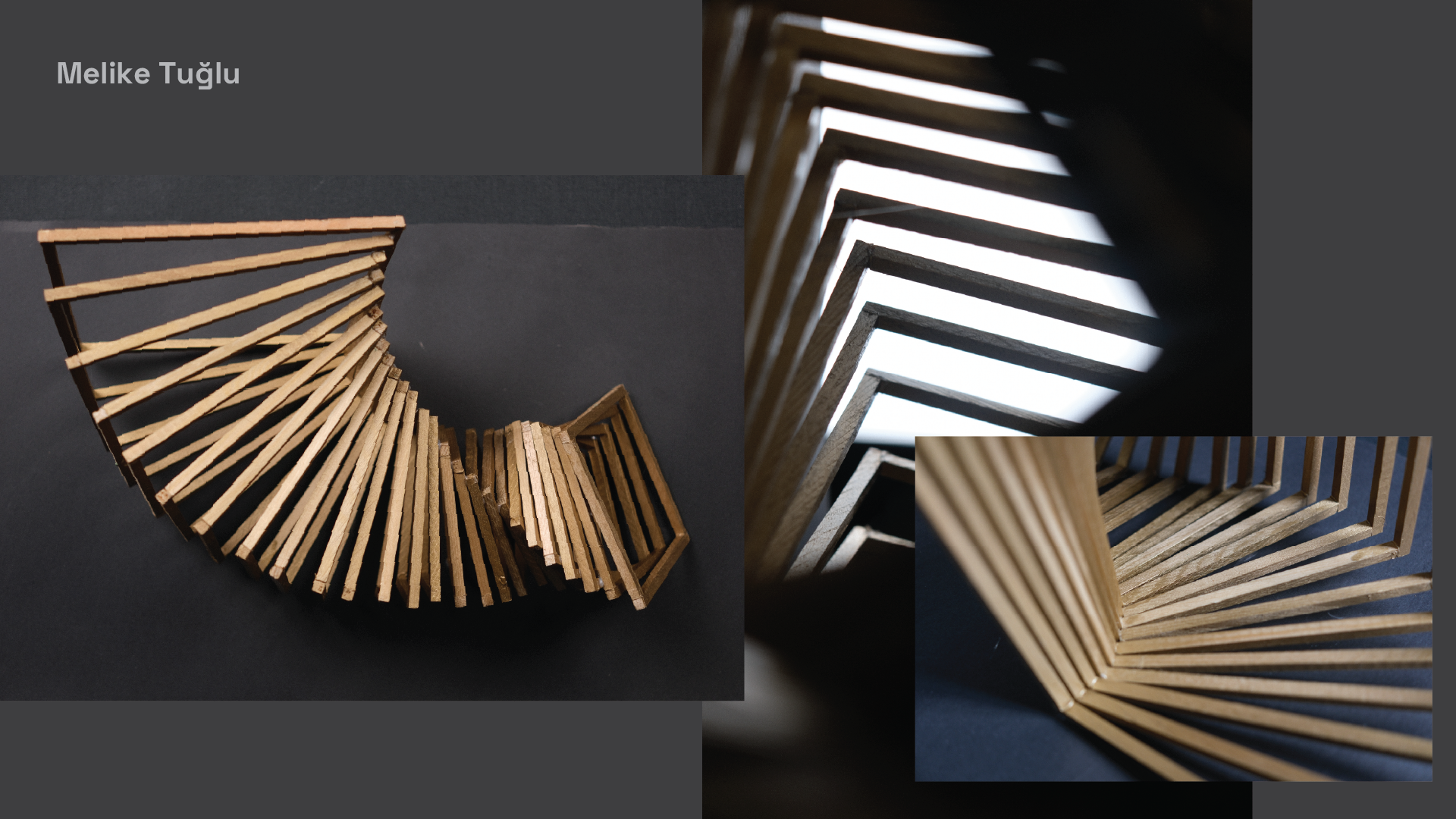
Students design a three-dimensional object based on organic form, constructed through the repetition of a single element.
Beginning with sketches and material experiments, students explore how repetition, variation, rhythm, and material behaviour can generate flowing and dynamic forms. The project emphasises the relationship between the selected material, the repeated unit, and the resulting organic structure.