INTRODUCTION TO MOTION GRAPHICS AND ANIMATION
Institution: TED University, Visual Communication Design | 2025-2026
Instructors: Alper Yıldırım
Semester: 1 (3rd and 4th year students)
Course Brief
This course introduces the creative and technical foundations of motion graphic design. Students explore keyframe animation, visual rhythm, composition, typography, image manipulation, and the use of motion as a tool for communication and storytelling.
Through four progressively complex projects, students animate posters, visual identities, still images, and typography. The course combines industry-standard production methods with experimental approaches, helping students develop coherent workflows for contemporary digital platforms.
Learning Outcomes
By the end of the course, students will be able to:
Apply fundamental animation principles within motion graphic design.
Create animated compositions using keyframes, transitions, and visual effects.
Animate typography, images, shapes, and graphic elements through layer-based workflows.
Use parallax, camera movement, and image deformation to create depth and organic motion.
Synchronise typography and visual movement with sound.
Prepare, render, and export motion projects for different digital platforms.
Project 01
Animated Poster for Short Films
Students design a static poster for a short film and transform it into a looping motion piece. The animation must reinforce the poster’s central message through sequencing, timing, transitions, and shifts in visual hierarchy.
The project introduces keyframe animation, easing, rhythm, and the relationship between static composition and time-based communication. Rather than adding movement decoratively, students use motion to clarify, intensify, or extend the original design.
Short Films
· The Black Hole
Olly Williams, Philip Sansom - 2008
· A Handy Tip for the Easily Distracted
Miranda July - 2011
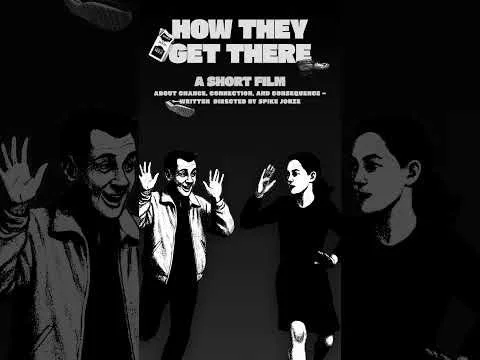
· How They Get There
Spike Jonze - 1997
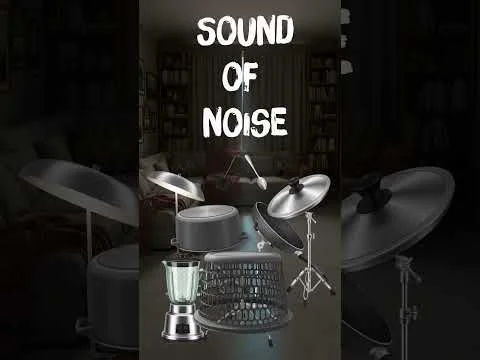
· Sound of Noise
Johannes Stjarne Nilsson - 2001
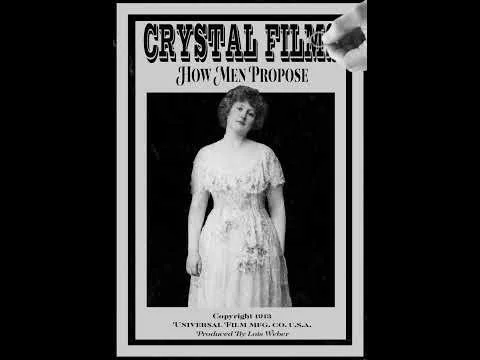
· How Men Propose
Lois Weber - 1913
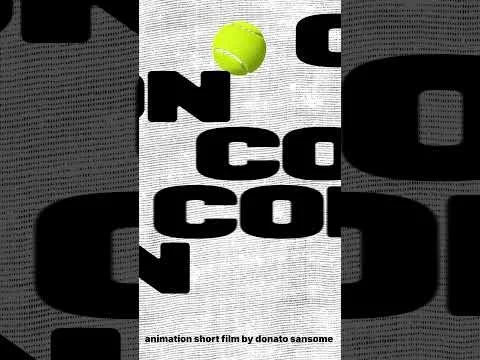
· Concatenation
Donato Sansone - 2021
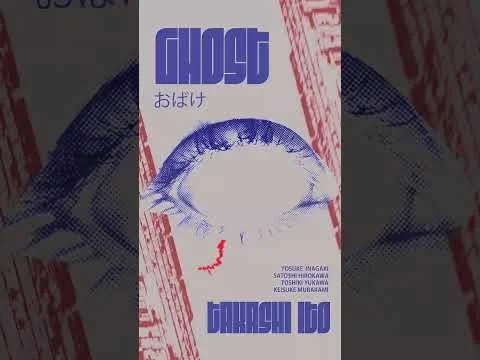
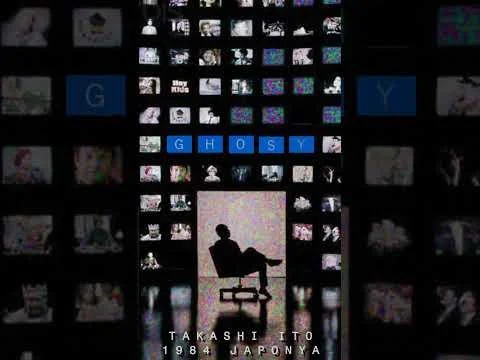
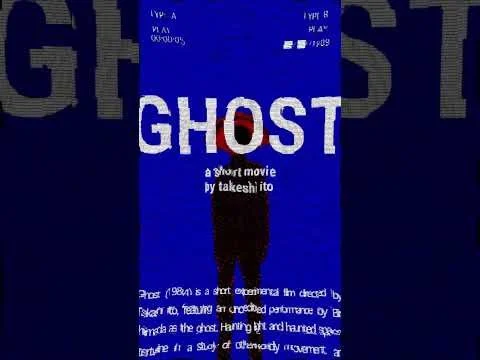
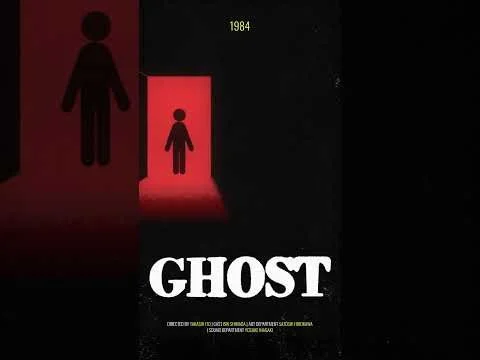
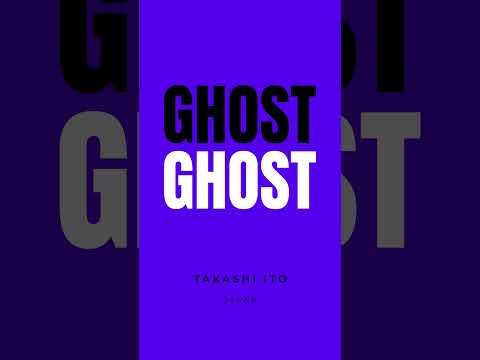
· Ghost
Takashi Ito - 1984


Logo Animation
Students create a short animated reveal for an existing or self-designed logo. The movement, pacing, transitions, and visual effects must reflect the identity and personality of the brand.
The project explores shape animation, masking, modular construction, precomposition, and controlled use of effects. Students consider how motion can extend a visual identity while maintaining clarity, consistency, and recognisability.









Parallax Animation and Puppet Pin
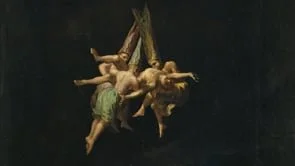
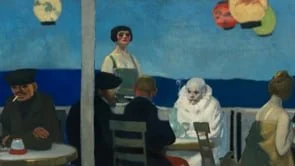
Students transform a painting, photograph, or illustration into a layered animated composition. The selected image is separated into visual planes and reconstructed through camera movement, simulated depth, and organic secondary motion.
Using parallax techniques and image deformation, students explore how subtle movement can alter atmosphere, direct attention, and suggest narrative without relying on text. The project introduces spatial composition, camera control, depth of field, environmental effects, and character or object movement






Kinetic Typography
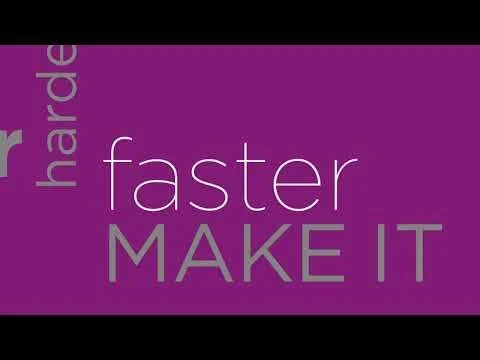
Students select a short audio segment and create a kinetic typography animation in which text, sound, rhythm, and meaning operate as a unified composition.
Typography may follow, contradict, or intensify the voice and emotional qualities of the audio. Through timing, scale, spacing, movement, silence, and transitions, students develop a visual interpretation that communicates beyond the literal meaning of the spoken words.